Alloy steel is increasingly favored in high-pressure applications due to its superior strength and performance metrics. According to industry reports, components made from alloy steel can withstand pressure levels exceeding 150,000 psi. This translates into a safety advantage where failure is not an option. Industries such as oil and gas, chemicals, and power generation often rely on these materials.
The question arises: why alloy steel is used in high-pressure applications? The unique chemical composition of alloy steels provides enhanced resistance to fatigue and corrosion. For instance, studies show that 80% of offshore platforms utilize alloy steel for their structural integrity. These materials are engineered for specific conditions, ensuring longevity and reliability under extreme circumstances.
However, the implementation of alloy steel is not without challenges. The cost can be prohibitive, and sourcing quality materials is essential. Engineers must weigh these factors against potential risks. Continuous innovation in alloy formulations and treatments helps address these issues. As the demand for high-pressure solutions grows, evaluating the choice of materials remains critical for project success.
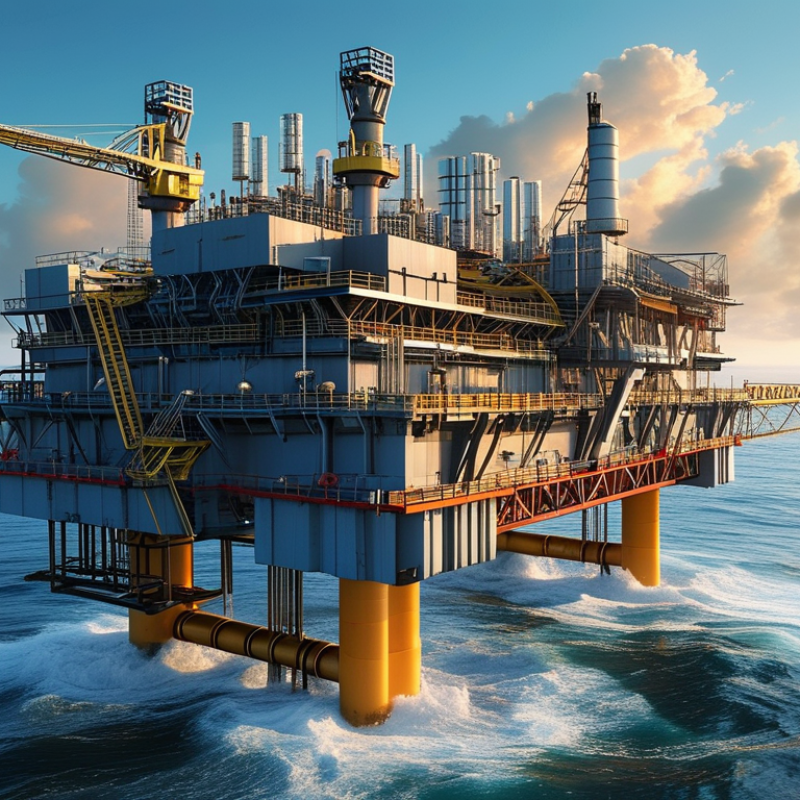
Characteristics of Alloy Steel in High-Pressure Environments
Alloy steel stands out in high-pressure environments due to its unique characteristics. Its enhanced strength and durability stem from a careful mix of metals. This combination allows the steel to withstand extreme conditions, such as high temperatures and significant stress. The addition of elements like chromium and molybdenum further improves its resistance to corrosion and oxidation. As a result, alloy steel can maintain integrity under demanding workloads.
In high-pressure applications, the versatility of alloy steel is crucial. It offers improved fatigue resistance, making it ideal for components that face constant stress. However, there can be challenges. Depending on the alloy composition, some formulations might be too brittle. This can lead to unexpected failures, particularly in extreme conditions. Engineers must carefully consider the specific requirements of each application to avoid these pitfalls. Moreover, proper heat treatment and manufacturing processes are essential to achieve the desired mechanical properties. This ensures that the material performs reliably when it matters most.
Comparison of Alloy Steel vs. Other Materials for Pressure Applications
Alloy steel stands out as a leading choice for high-pressure applications, especially compared to other materials like carbon steel and stainless steel. Its composition includes elements like chromium, nickel, and molybdenum. These addition results in enhanced strength and resistance to corrosion. According to a report by the American Iron and Steel Institute, alloy steels can withstand pressures up to 30% higher than their carbon steel counterparts. This remarkable property makes them ideal for demanding environments such as oil rigs and chemical plants.
When considering high-pressure vessels, the material’s toughness becomes critical. Alloy steel exhibits superior toughness at elevated temperatures compared to traditional stainless steel. Data indicates that alloy steel can endure working temperatures exceeding 900°F. In contrast, stainless steel can lose strength significantly above 600°F. Moreover, the cost-effectiveness of alloy steels cannot be overlooked. While they may involve higher upfront costs, their durability leads to lower maintenance expenses over time, particularly in high-stress scenarios.
However, not all alloys are created equal. The manufacturing process is key. Some alloys can be brittle, prone to fracture under sudden pressure increases. This risk underscores the importance of using quality control during production. Moreover, the welding requirements for alloy steel can increase complexity and need additional expertise. It's essential to carefully consider these factors when selecting materials for high-pressure applications.
Mechanical Properties of Alloy Steel Relevant to High-Pressure Use
Alloy steel is often the material of choice for high-pressure applications due to its superior mechanical properties. It offers a combination of strength, toughness, and resistance to wear that meets the demanding requirements of such environments. For instance, according to the American Society for Testing and Materials (ASTM), alloy steels can withstand pressures exceeding 30,000 psi without significant deformation. This characteristic makes them suitable for use in pipelines and pressure vessels.
The tensile strength of alloy steel plays a critical role in its performance under pressure. Many alloy steels have a tensile strength exceeding 100,000 psi, enabling them to endure extreme conditions. Additionally, their yield strength is often twice that of standard carbon steels, making them an ideal choice in industries such as oil and gas, power generation, and aerospace.
Tip: When selecting alloy steel for high-pressure applications, consider the specific alloying elements involved. Elements like chromium, molybdenum, and nickel can enhance strength and corrosion resistance. The balance of these elements can affect the steel’s performance under pressure. Always review data sheets and mechanical property charts before making a decision.
Why is Alloy Steel Preferred for High Pressure Applications? - Mechanical Properties of Alloy Steel Relevant to High-Pressure Use
| Property |
Description |
Typical Value |
| Yield Strength |
The stress at which a material begins to deform plastically. |
250-600 MPa |
| Tensile Strength |
The maximum stress that a material can withstand while being stretched or pulled. |
400-1000 MPa |
| Hardness |
A measure of the material's resistance to localized plastic deformation. |
HRC 25-55 |
| Impact Toughness |
The ability of the material to absorb energy and resist fracture when stressed. |
30-100 J |
| Corrosion Resistance |
The ability to withstand degradation in a corrosive environment. |
Moderate to High |
| Ductility |
The degree to which a material can be plastically deformed without fracture. |
10-30% |
Common Applications of Alloy Steel in High-Pressure Industries
Alloy steel plays a crucial role in high-pressure industries, owing to its remarkable strength and durability. In oil and gas sectors, this material is used extensively for pipelines, pressure vessels, and drilling equipment. Reports indicate that alloy steel can withstand pressures exceeding 30,000 psi, making it a go-to choice in extreme conditions. Its ability to resist stress corrosion cracking is vital for maintaining safety and efficiency in these environments.
In the energy sector, alloy steel is used in power plants and nuclear facilities. The American Society of Mechanical Engineers (ASME) highlights that components made from alloy steel meet rigorous standards for thermal and pressure resistance. This ensures reliable operation, which is critical when dealing with high-stakes applications. Additionally, its lightweight properties contribute to reduced overall system weight, enhancing transport and installation efficiency.
Despite its advantages, the alloying process can sometimes lead to inconsistencies in material performance. Variations in manufacturing can affect tensile strength or ductility, prompting engineers to continuously monitor quality. This highlights the importance of stringent testing and validation in the production chain. As industries demand ever-higher performance, ongoing adjustments in alloy compositions are necessary to match evolving standards.
Advantages of Alloy Steel in Terms of Durability and Corrosion Resistance
Alloy steel is a preferred material for high-pressure applications. Its unique properties make it highly durable and resistant to corrosion. This is essential in demanding environments, such as oil and gas industries, where equipment faces extreme conditions.
One of the significant advantages of alloy steel is its tensile strength. This allows it to withstand high stress without deformation. In these applications, even small failures can lead to catastrophic outcomes. Alloy steel's ability to resist rust and oxidation also plays a critical role. It ensures that machinery remains functional over time, reducing maintenance costs.
However, alloy steel can be more expensive to produce than other materials. This can impact project budgets, leading to tough decisions. While its benefits are considerable, companies often struggle to balance quality and cost. Understanding these nuances helps professionals make informed choices in material selection. The need for reliability must always outweigh economic concerns in high-pressure applications.
Advantages of Alloy Steel in High Pressure Applications
This chart illustrates the key advantages of alloy steel in high pressure applications, emphasizing its durability and corrosion resistance among other benefits. Ratings are based on a scale from 1 to 10, demonstrating why alloy steel is a preferred material in demanding environments.
FAQS
: Alloy steel is strong and durable due to its unique metal mix. It withstands high temperatures and stress.
Some alloy combinations can be too brittle. This can lead to unexpected failures in extreme conditions.
Proper heat treatment secures desired mechanical properties. It ensures reliability under demanding workloads.
Alloy steel's tensile strength often exceeds 100,000 psi. This allows it to endure severe pressure without deformation.
Chromium, molybdenum, and nickel enhance strength and resistance. The right balance is essential for performance.
Industries like oil, gas, and aerospace frequently use alloy steel. Its properties suit high-pressure applications well.
Improper selection can lead to failures. Engineers must assess specific requirements to avoid issues.
Manufacturing methods affect the final product's quality. Consistency is crucial for optimal performance.
Always review data sheets and mechanical charts. They provide important information about the steel’s properties.
Yes, it can maintain integrity if properly selected and treated. However, oversight can lead to performance issues.
Conclusion
Alloy steel is often favored for high-pressure applications due to its unique characteristics that enhance performance in challenging environments. The mechanical properties of alloy steel, such as its high tensile strength and toughness, make it suitable for scenarios where materials must withstand significant stress. When comparing alloy steel to other materials, it becomes evident that it offers superior durability and resistance to corrosion, crucial factors in maintaining structural integrity under high pressure.
Furthermore, alloy steel is commonly employed in industries such as oil and gas, power generation, and chemical processing, where its ability to withstand harsh conditions is indispensable. By understanding why alloy steel is used in high pressure applications, industries can ensure reliability and safety in their operations, making it a material of choice for engineers and manufacturers alike.

 Flowtera Pipe