Stainless steel pipes are gaining popularity in various projects. They present numerous benefits that set them apart. According to Dr. Emily Chen, a leading expert in materials engineering, “The advantages of stainless steel pipes are critical for modern applications.”
What are the advantages of stainless steel pipes? They offer outstanding durability and corrosion resistance. This makes them ideal for both industrial and residential use. In addition, their low maintenance requirements can lead to cost savings over time. However, not all stainless steel pipes are created equal. Factors like the grade of stainless steel can affect performance.
While stainless steel pipes have many strengths, they can sometimes be more expensive upfront. Some projects may benefit from alternative materials. It is essential to weigh the initial costs against long-term benefits. Careful analysis will help determine if stainless steel is the right choice for your project.
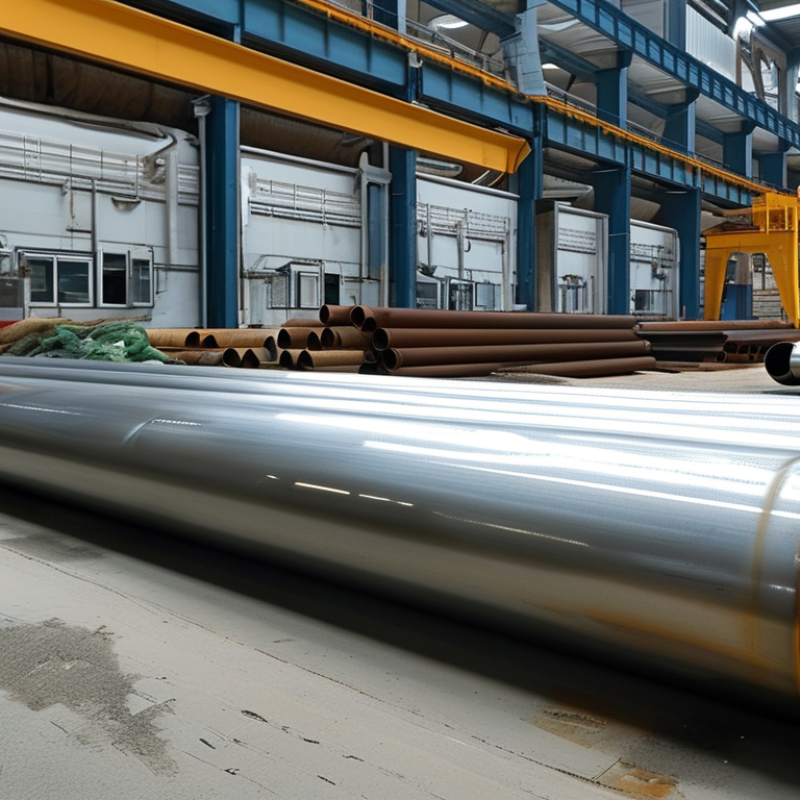
Benefits of Using Stainless Steel Pipes in Construction Projects
Stainless steel pipes offer numerous advantages in construction projects. They are known for their durability. These pipes resist corrosion and withstand harsh weather conditions. This makes them ideal for both indoor and outdoor applications. They require less maintenance over time, saving costs on repairs and replacements.
One significant benefit is their strength. Stainless steel pipes can handle high pressures. This is crucial in construction where safety is a concern. Additionally, the aesthetic appeal of stainless steel adds value to projects. Their shiny surface provides a modern look that attracts attention. However, it's essential to note that stainless steel can be more expensive initially compared to other materials.
Choosing stainless steel pipes may require careful consideration of budget. While they save money over time, the upfront costs can impact project financing. It's also important to evaluate your project's specific needs. Not all situations require stainless steel; sometimes, other materials may work just as well. Balancing these factors is vital for successful project planning.
Why Choose Stainless Steel Pipes for Your Projects? - Benefits of Using Stainless Steel Pipes in Construction Projects
| Benefit |
Description |
Applications |
| Corrosion Resistance |
Stainless steel pipes withstand corrosive environments, making them suitable for a variety of projects. |
Water Supply, Chemical Processing |
| Durability |
They have a long lifespan and require low maintenance, reducing long-term costs. |
Construction, Infrastructure |
| Aesthetic Appeal |
The shiny surface of stainless steel adds a modern look to projects. |
Architecture, Decorative Applications |
| Heat Resistance |
Stainless steel can withstand high temperatures, making it useful in hot environments. |
Industrial Applications, Heat Exchangers |
| Versatility |
They can be used in various applications across different sectors. |
Manufacturing, Energy Sector |
Corrosion Resistance: Key Advantage of Stainless Steel Pipes
Stainless steel pipes offer remarkable corrosion resistance, making them a popular choice for various projects. Corrosion can lead to significant structural damage over time, resulting in costly repairs. Using stainless steel pipes can extend the lifespan of your systems. They perform well in harsh environments where other materials fail, such as in coastal areas or chemical processing plants.
The durability of stainless steel is attributed to its unique composition. It contains chromium, which forms a protective layer on the surface. This layer prevents oxidation and protects against rust, even when exposed to moisture. In applications like plumbing and HVAC systems, this resistance leads to less maintenance and fewer replacements.
However, choosing stainless steel pipes does require careful consideration. Not all grades of stainless steel are equal. Some may not withstand specific corrosive agents. You might also face higher initial costs compared to other materials. It's crucial to evaluate your project's long-term needs against these factors. Understanding the environment and application can help make the right choice. This approach relies on informed decision-making, grounded in practical experience.
Durability and Longevity of Stainless Steel in Pipe Applications
Stainless steel pipes are renowned for their impressive durability and long service life. According to industry research, stainless steel has a corrosion resistance rate of up to 95% compared to other materials. This characteristic is especially critical in environments exposed to moisture and chemicals. Projects that involve water systems or chemical processing benefit significantly from stainless steel, as they require less frequent replacements.
Moreover, stainless steel can handle extreme temperatures, maintaining structural integrity from -200°C to 800°C. This versatility makes it suitable for various applications, including oil and gas, construction, and food processing. Reports indicate that the lifecycle cost of stainless steel pipe systems can be lower over time due to reduced maintenance needs and fewer replacements. However, it's essential to note that initial costs can be higher than alternatives.
One must also consider potential challenges. While most stainless steel types resist rust, poor welding practices can lead to weak points. Furthermore, improper installation might cause stress corrosion cracking. Understanding these aspects ensures that projects maximize the benefits of using stainless steel while mitigating risks.
Cost-Effectiveness: Analyzing the Long-Term Value of Stainless Steel Pipes
When considering materials for plumbing or construction projects, cost-effectiveness is a key factor. Stainless steel pipes may have a higher initial purchase price compared to other materials, but their durability justifies the investment. These pipes resist corrosion, ensuring they last longer. This longevity translates into reduced maintenance costs over time. You won’t need to replace them frequently, which saves money in the long run.
Moreover, stainless steel pipes are energy-efficient. They maintain consistent temperature levels, minimizing energy loss. This can lead to lower utility bills for heating or cooling systems. However, it's important to analyze your specific project needs. In some cases, other materials might seem cheaper upfront but could incur higher costs due to repairs and replacements.
Some people might overlook the benefits of stainless steel due to its initial cost. This is where reflection is essential. Are you investing in quality that delivers long-term savings? Consider how much you might spend on maintenance with alternative options. A thorough evaluation of overall costs can reveal the true value of stainless steel pipes in your projects.
Cost-Effectiveness of Stainless Steel Pipes vs. Carbon Steel Pipes
This bar chart compares the cost-effectiveness of stainless steel pipes and carbon steel pipes based on various parameters, including initial cost, maintenance cost, longevity, and recyclability. As depicted, stainless steel pipes have higher initial costs but significantly lower maintenance costs and longer longevity, highlighting their long-term value.
Versatility in Applications of Stainless Steel Pipes Across Industries
Stainless steel pipes have become a staple in various industries due to their exceptional versatility. According to a report by Grand View Research, the global stainless steel pipe market is projected to reach USD 38.8 billion by 2025. This growth is driven by their widespread use in construction, automotive, and chemical processing sectors. In construction, stainless steel pipes resist corrosion and offer durability, making them ideal for plumbing and structural applications.
The automotive industry also leverages stainless steel pipes for exhaust systems and fuel lines. The material's ability to withstand high temperatures and pressures is critical in this environment. Moreover, in the chemical industry, these pipes ensure safe transport of aggressive substances. A study by the American Society for Testing and Materials (ASTM) highlighted that stainless steel reduces maintenance costs by about 20% over its lifespan.
Yet, there are challenges. The initial cost of stainless steel pipes is higher than alternatives like PVC or carbon steel. Companies must weigh these factors carefully. Additionally, the production process for stainless steel has a significant carbon footprint. Striking a balance between cost, sustainability, and performance remains a critical discussion point among industry experts.
FAQS
: Their remarkable corrosion resistance helps prevent structural damage over time.
It extends the lifetime of systems and reduces maintenance costs.
They perform well in harsh conditions, like coastal areas and chemical processing plants.
The presence of chromium forms a protective layer that prevents rust.
No, some grades may not resist specific corrosive agents effectively.
Evaluate your project's long-term needs and the specific environment of use.
They can reduce maintenance costs by around 20% over their lifespan.
They have higher initial costs and a significant carbon footprint in production.
They are used in construction, automotive, and chemical processing sectors.
Balancing cost, sustainability, and performance continues to be a significant discussion point.
Conclusion
Stainless steel pipes are increasingly favored in construction projects due to their numerous advantages. Among the primary benefits are their exceptional corrosion resistance, which protects them against the elements and extends their lifespan. The durability of stainless steel ensures that pipes can withstand high-pressure applications and maintain structural integrity over time, making them an ideal choice for various environments. Additionally, when analyzing their long-term value, stainless steel pipes prove to be cost-effective compared to other materials, as they require less maintenance and replacement in the long run.
Another key aspect of stainless steel pipes is their versatility, allowing for a wide range of applications across different industries, from plumbing and construction to food processing and chemical transportation. In summary, when considering what are the advantages of stainless steel pipes, it is clear that their strength, longevity, and adaptability make them a superior option for today's construction needs.

 Flowtera Pipe