Epoxy Lined Steel Pipes have become increasingly popular in various industries due to their unique benefits. These pipes are designed to resist corrosion. This enhances their durability, making them a preferred choice for transporting fluids and gases. The epoxy lining acts as a protective barrier. It prevents rust and ensures a longer lifespan for the pipes.
Many industries, including construction and manufacturing, benefit from using Epoxy Lined Steel Pipes. They offer superior performance in harsh environments. Additionally, these pipes require less maintenance. The reduced need for repairs saves both time and money for companies. However, it’s essential to consider installation costs. Proper installation is crucial to fully realize the benefits these pipes provide.
While the advantages of Epoxy Lined Steel Pipes are compelling, some challenges exist. For example, proper preparation before installation is vital. Next, it’s important to ensure the quality of the epoxy used. Any flaws in lining can lead to future problems. Understanding these aspects is necessary for making informed decisions.
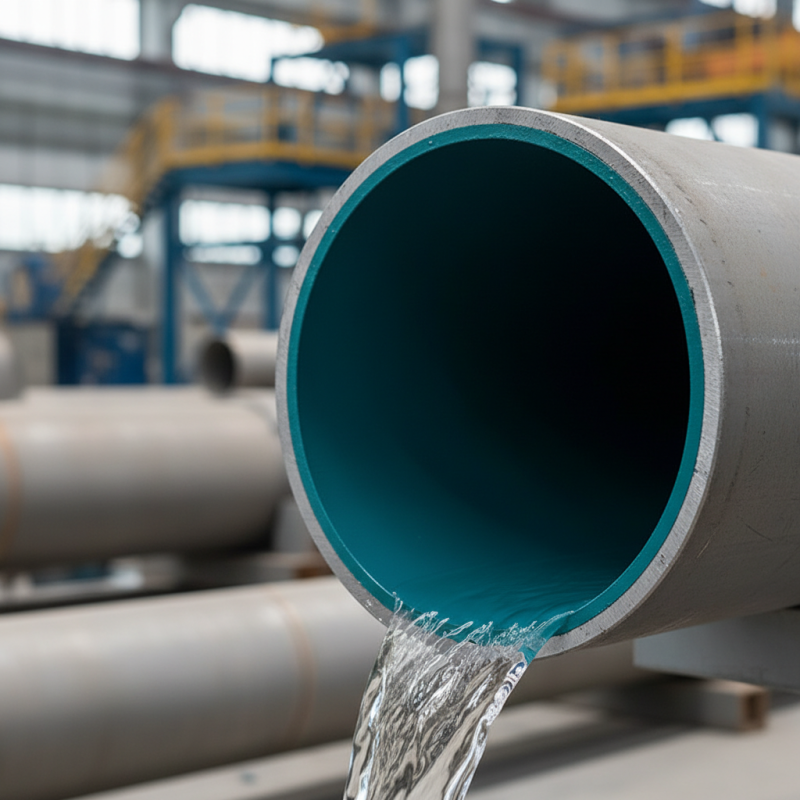
Epoxy lined steel pipes offer significant advantages in terms of corrosion resistance, making them a preferred choice in various industries. According to industry reports, these pipes can extend service life by up to 50 years, dramatically reducing replacement costs. Corrosion can weaken traditional steel pipes, leading to leaks and failures. In contrast, epoxy lining creates a durable barrier, protecting the metal underneath. This barrier makes them ideal for transporting liquids, reducing maintenance needs drastically.
Proper installation is crucial. Ensure that the surface is clean and free from contaminants before applying epoxy lining. Even small imperfections can lead to failures. Regular inspections can enhance the lifespan of these pipes. A study from the American Society of Civil Engineers indicates that proactive maintenance can improve performance and safety.
Tips: Consider environmental factors when selecting epoxy lined pipes. They perform best in moderate temperatures and low humidity. While they resist many chemicals, verify compatibility for specific applications. Balancing cost and longevity is essential. Sometimes, the initial investment in higher-quality materials pays off in reduced maintenance costs over time.
Epoxy lined steel pipes offer enhanced durability, making them a preferred choice in various applications. The epoxy coating provides a robust barrier against corrosion, which often leads to pipe failure. This coating is tightly bonded to the steel surface, ensuring it can withstand harsh environmental conditions. Over time, this durability translates to lower maintenance costs and a longer lifespan for the infrastructure.
Moreover, epoxy lined steel pipes demonstrate resistance to chemical deterioration. In many industries, exposure to aggressive substances is a daily concern. The epoxy lining stands up to these challenges, retaining its integrity under stress. However, the effectiveness of the lining can vary based on installation and environmental factors. Proper installation methods and regular inspections are critical for achieving the desired performance.
While epoxy lined steel pipes provide significant advantages, they are not without their drawbacks. Environmental conditions can affect the adhesion of the epoxy lining. If the surface isn't adequately prepared, it may lead to delamination. Frequent check-ups can help identify and address these issues before they escalate. Therefore, awareness and proactive measures are crucial in maximizing the benefits of these pipes.
This bar chart illustrates the key benefits of epoxy lined steel pipes based on their performance metrics. The data showcases the significant advantages such as corrosion resistance, reduced maintenance, longevity, cost efficiency, and temperature resistance, all expressed in percentage terms reflecting their effectiveness.
Epoxy lined steel pipes are gaining popularity for their cost-effectiveness over time. A recent industry report highlighted that these pipes can reduce maintenance costs by nearly 20% compared to traditional options. This is largely due to their resistance to corrosion and chemical damage. In facilities that require durable piping solutions, the longevity of epoxy lined steel pipes outweighs initial installation costs.
Research shows that the lifespan of epoxy lined pipes can exceed 50 years with proper installation. This translates to fewer replacements and repairs, significantly cutting long-term expenses. Additionally, the reduced likelihood of leaks ensures lower water loss rates, which can be a hidden cost forming in operational budgets. While the upfront price might be higher than standard steel pipes, the long-term savings can be substantial.
However, it is essential to consider the quality of installation. Poor workmanship can negate the benefits of epoxy lining. It’s crucial to employ experienced professionals to ensure proper application. Companies should weigh these factors carefully. Thoughtful planning can lead to substantial savings and improved efficiency. Ignoring installation quality or the specific needs of a project may lead to unforeseen expenses later.
Epoxy lined steel pipes offer significant advantages regarding fluid flow characteristics. The epoxy lining provides a smooth, consistent surface, reducing friction and turbulence within the pipes. According to industry reports, these pipes can enhance flow rates by up to 30%. This improvement is crucial for industries relying on efficient transport of fluids, such as water treatment and oil & gas.
The smooth surface of epoxy creates fewer obstructions, which minimizes the risk of clogs. This feature also contributes to longer pipe life by reducing wear and tear. Research indicates that epoxy-lined pipes experience lower rates of corrosion compared to traditional steel pipes, prolonging service life and reducing maintenance costs.
Tip: Regular inspections of epoxy lined pipes can help identify potential issues early. Maintaining proper pressure levels is key to avoiding damage. Always consider environmental factors that might affect pipe integrity over time.
Epoxy lined steel pipes present significant environmental benefits. These pipes are resistant to corrosion and chemical degradation, which reduces the need for replacement. According to the American Society of Civil Engineers, corrosion costs the U.S. economy nearly $276 billion annually. Utilizing epoxy lined systems can significantly lower this cost by prolonging the lifespan of the piping infrastructure.
Additionally, these pipes minimize leaks, preventing contaminants from entering the environment. Reports indicate that around 6 billion gallons of drinking water are lost every day due to leaks in old infrastructure. Epoxy lined pipes can decrease this figure, supporting environmental sustainability. A study by the Water Research Foundation shows that reducing leaks contributes to lower energy consumption in water treatment processes.
However, the production of epoxy lined pipes raises questions about resource use and environmental impact. The energy required for their manufacturing is substantial. Balancing these factors is essential for overall sustainability. Continued research and innovation can help optimize production methods, ensuring that the benefits of using epoxy lined steel pipes outweigh their environmental costs.
: They offer excellent corrosion resistance, extending service life by up to 50 years, and reduce replacement costs.
The smooth surface reduces friction and turbulence, enhancing flow rates by up to 30%.
Contamination and small imperfections can lead to failures. Clean surfaces ensure better adhesion and performance.
Inspections help spot potential issues early, improving performance and extending lifespan.
They reduce leaks, minimizing contaminants and supporting environmental sustainability by prolonging lifespan.
Environmental conditions like temperature and humidity affect performance. Check compatibility with specific applications.
The energy required for manufacturing raises questions about resource use and environmental impact.
They experience lower corrosion rates, reducing wear and tear, which leads to decreased maintenance needs over time.
While resistant to many chemicals, it's essential to verify compatibility for specific applications.
The initial investment may be high, but long-term savings can offset these costs through reduced maintenance.
Epoxy Lined Steel Pipes offer numerous benefits that make them a superior choice for various applications. One of the primary advantages is their excellent corrosion resistance, which significantly extends the lifespan of the pipes. This enhanced durability is crucial for industries that rely on transporting corrosive materials, ensuring minimal maintenance and replacement costs over time.
Additionally, Epoxy Lined Steel Pipes improve fluid flow characteristics, facilitating more efficient operations. Their cost-effectiveness becomes apparent in long-term usage, as the initial investment is outweighed by savings from reduced maintenance and increased durability. Moreover, these pipes contribute to environmental sustainability by minimizing leakage and contamination, making them a responsible choice for modern infrastructure projects. Overall, the benefits of Epoxy Lined Steel Pipes make them an invaluable asset in various industrial contexts.

Flowtera Pipe