Best Pipe Material for Industrial Use Which One Should You Choose?

Time:2026-04-29 Author:Madeline
0%

Choosing the right pipe material is crucial for industrial applications. Experts highlight the importance of materials that can withstand high pressure and temperature. According to industry specialist Dr. John Thompson, “The durability of pipe material directly influences operational efficiency.” This statement sheds light on the critical nature of this decision.

Many industrial facilities face the challenge of selecting suitable pipe materials. Factors like corrosion resistance, weight, and cost efficiency play significant roles. The question remains, which pipe material is best for industrial use? This choice can vary based on specific requirements, making it a complex decision. While steel pipes may offer strength, plastic pipes provide flexibility. Evaluating these options requires careful consideration.

Decisions often come with trade-offs. Some materials may perform well initially but fail under long-term stress. It's important to analyze both immediate and future needs. With so many variables at play, selecting the best material can be daunting yet essential for success in any industrial setup.
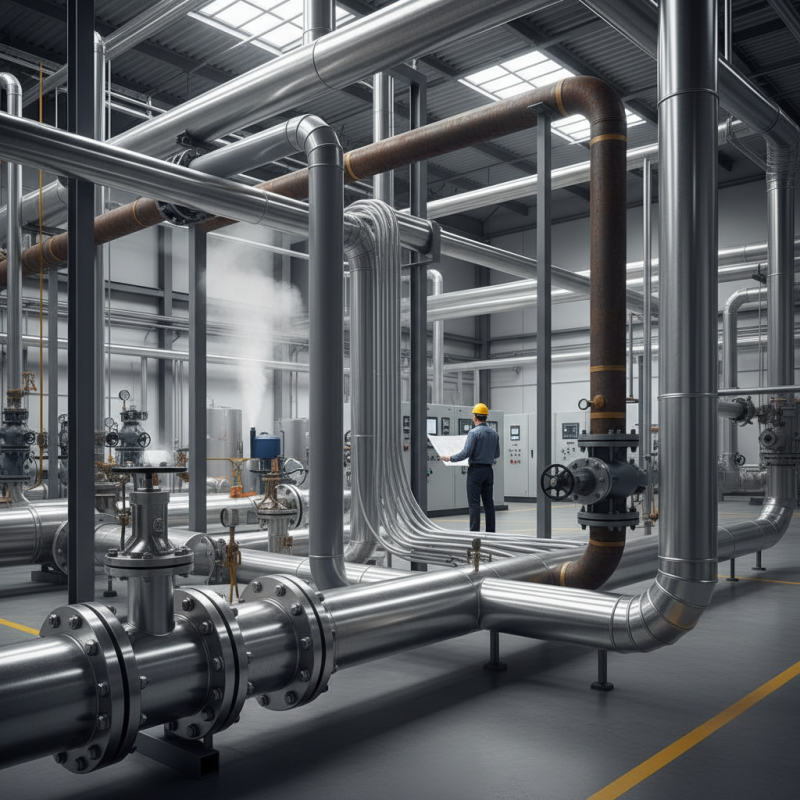
Best Pipe Material for Industrial Use Which One Should You Choose?

Types of Pipe Materials Commonly Used in Industrial Applications

When choosing pipe materials for industrial applications, understanding the common types is crucial. Stainless steel is a popular option. It exhibits excellent resistance to corrosion and high temperatures. This makes it ideal for chemical processing and food production. However, stainless steel can be expensive. It's essential to assess your budget and needs carefully.

Another widely used material is PVC. PVC pipes are lightweight and resistant to chemicals. They are easy to install, making them suitable for plumbing and drainage systems. However, they can become brittle in extreme temperatures. It's important to evaluate the working conditions before making a decision.

Copper is another choice often favored for its reliability. It has natural antimicrobial properties, which is important in water systems. However, its high cost can be a drawback. In some environments, it may not be as durable as other materials. Each option comes with its advantages and challenges. Testing and industry standards can help guide your choice.

Best Pipe Materials for Industrial Use

This chart displays the percentage usage of various pipe materials commonly used in industrial applications. Steel is the most widely used material, followed by PVC and Copper.

Factors to Consider When Selecting Pipe Materials

Selecting the right pipe material for industrial use is crucial. Several factors significantly influence this decision, including the type of fluid being transported, temperature, and pressure conditions. For instance, metal pipes, like stainless steel, offer durability and resistance to high temperatures but may be more expensive. According to a 2021 industry report, stainless steel can withstand temperatures up to 1,500°F, making it ideal for high-heat applications.

Another important aspect is corrosion resistance. Chemical processes often require materials that can resist harsh environments. Plastic pipes, such as PVC or CPVC, are widely used due to their excellent resistance to corrosive substances. Data from a 2022 materials science journal indicates that PVC can last up to 50 years in the right conditions. However, they may not perform well under high-pressure situations.

Lastly, consider installation and maintenance costs. While some materials like copper offer excellent thermal conductivity, they may incur higher labor costs during installation. A survey noted that nearly 30% of industrial projects exceed budget constraints primarily due to unforeseen plumbing challenges. Understanding these factors can lead to more informed decisions, ultimately enhancing efficiency and reducing long-term expenses.

Advantages and Disadvantages of Each Pipe Material

When selecting pipe materials for industrial use, understanding the advantages and disadvantages of each option is crucial. Steel pipes, for instance, are renowned for their strength and durability. According to a report by the American Iron and Steel Institute, steel pipes can withstand high pressure and temperature. However, they are prone to corrosion, which can lead to costly repairs and replacements.

On the other hand, PVC pipes are lightweight and resistant to chemicals. The Plastics Pipe Institute indicates that PVC pipes have a lower installation cost due to easier handling. Yet, they are not suitable for high-temperature applications and can become brittle when exposed to UV light for extended periods. This fragility underscores the need for proper protective measures during installation and maintenance.

Copper pipes are another option, offering excellent thermal conductivity. The Copper Development Association notes that these pipes are less likely to corrode than steel. However, they are expensive and may not be easy to source in all regions. Facilities considering copper should reflect on the long-term cost benefits versus initial investment. Overall, each material has its strengths and weaknesses, emphasizing the importance of a tailored approach to pipe selection.

Comparative Analysis of Lifespan and Durability

When selecting pipe materials for industrial use, lifespan and durability are crucial factors. Different materials behave differently under stress and temperature. For instance, steel pipes are known for their strength and ability to withstand high pressures. However, they are prone to corrosion, which can shorten their lifespan. Composite materials offer high durability and resistance to chemicals. But, they may lack the structural integrity of metals in heavy-duty applications.

Another option, PVC pipes, are light and resistant to corrosion. They work well in low-pressure environments. However, extreme temperatures can affect their integrity. Choosing between these materials isn’t always straightforward. Each has its pros and cons, and industry needs vary widely. It is essential to analyze the environment where the pipes will be used, including pressure, temperature, and the type of substances they will carry.

Reflecting on industry trends, many facilities still overlook the importance of proper material selection. Often, initial costs overshadow long-term savings achieved through better durability. Real-world applications show that investing in high-quality materials can lead to fewer failures and reduced maintenance. Companies should reevaluate their choices and consider how longevity impacts their bottom line.

Cost Effectiveness and Maintenance Requirements of Pipe Materials

When selecting pipe materials for industrial use, cost-effectiveness and maintenance play significant roles. Various materials come with different initial costs and long-term expenses. For instance, metal pipes may have higher upfront costs due to their durability. However, they tend to require more frequent repairs or replacements, leading to increased maintenance costs over time.

On the other hand, plastic pipes are often cheaper initially and lighter in weight, making them easier to install. Yet, they might not withstand extreme temperatures or pressures as well as metal. This potential for damage can result in unexpected costs. Regular inspections are essential to avoid costly breakdowns.

Choosing the right pipe material hinges on understanding your specific operational needs. Analyze the environment in which the pipes will be used. Consider the likelihood of corrosive substances or extreme temperatures. This analysis is not easy; misjudgments can lead to significant financial losses. Balancing initial costs with future maintenance is crucial for long-term efficiency.

Best Pipe Material for Industrial Use

Pipe Material Cost per Foot ($) Maintenance Frequency (Years) Lifespan (Years) Corrosion Resistance Temperature Tolerance (°F)
PVC 0.50 5 25 Good 140
CPVC 0.75 7 35 Excellent 200
Steel 2.00 3 50 Moderate 600
Stainless Steel 3.00 10 100 Excellent 1200
Copper 2.50 5 50 Good 400

FAQS

: What factors influence the choice of pipe materials?

: The type of fluid, temperature, and pressure conditions are crucial factors.

Why are metal pipes like stainless steel recommended for high-heat applications?

They can withstand temperatures up to 1,500°F, offering durability.

How long can PVC pipes last in proper conditions?

PVC can last up to 50 years when used correctly.

Are plastic pipes resistant to corrosion?

Yes, they show excellent resistance to harsh chemicals and corrosive substances.

What are the maintenance costs associated with metal pipes?

Metal pipes may require more frequent repairs, increasing long-term maintenance costs.

What are the initial costs of plastic pipes?

Plastic pipes are generally cheaper and lighter, making installation easier.

Why is it important to regularly inspect pipes?

Regular inspections help avoid unexpected breakdowns, which can be costly.

How can misjudgments in selecting materials affect finances?

Misjudgments can lead to significant financial losses in industrial projects.

What are the limitations of plastic pipes under pressure?

Plastic pipes may not perform well under high-pressure situations.

What should you consider when analyzing operational needs for pipe materials?

Evaluate the environmental conditions, including the presence of corrosive substances and extreme temperatures.

Conclusion

When considering which pipe material is best for industrial use, it's essential to explore various types commonly utilized in industrial applications, such as steel, PVC, copper, and ductile iron. Each material offers distinct advantages and disadvantages, impacting factors like lifespan, durability, and maintenance needs.

Critical considerations include the specific operating environment, fluid types, temperature, and pressure requirements. A comparative analysis reveals that materials like steel may provide superior strength and longevity, while PVC is often praised for its cost-effectiveness and low maintenance. Ultimately, the choice of pipe material hinges on balancing these factors to find the optimal solution for specific industrial applications.

Madeline

Madeline

Madeline is a dedicated marketing professional with a wealth of expertise in our company's core offerings. With a keen understanding of the industry, she brings a unique perspective to her role, consistently delivering high-quality content that highlights the superior aspects of our products. As......