Understanding what causes pipe failure in industrial systems is crucial for maintaining operational efficiency and safety. Dr. Emily Carter, a leading expert in industrial piping systems, once stated, "Identifying the root causes of pipe failure can prevent catastrophic incidents and save millions." This highlights the importance of thorough analysis and expertise in the field.
Pipe failures can occur due to various reasons. Corrosion is a major factor. It silently eats away at materials over time. Improper installation procedures may also lead to future complications. These issues often stem from a lack of knowledge or training within the workforce. Moreover, external factors like temperature changes and pressure fluctuations contribute to failures as well.
There are many dimensions to explore within this topic. Each failure case reveals unique challenges. Investigating these failures can sometimes feel overwhelming. However, addressing these problems through research and analysis can significantly enhance reliability. As industries evolve, staying updated on what causes pipe failure in industrial systems is more vital than ever. Recognizing these factors can pave the way for innovative solutions and improvements in safety protocols.
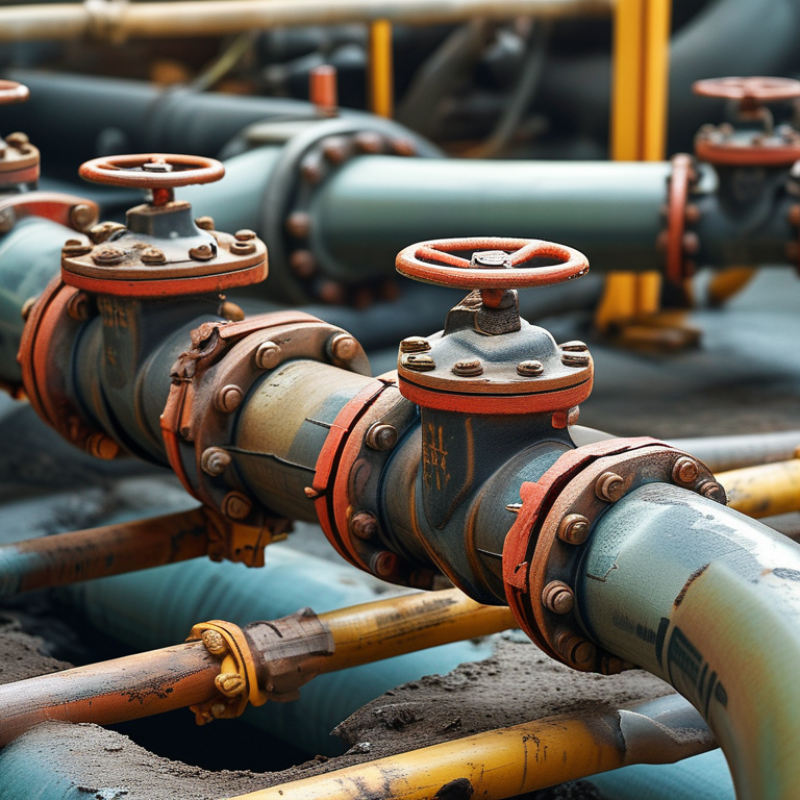
Understanding what causes pipe failure in industrial settings is essential. Numerous factors contribute to these failures. Corrosion is a common culprit. It weakens pipes over time, making them prone to leakage. High temperatures can exacerbate this issue, leading to stress fractures. Inadequate maintenance practices further increase the chances of failure.
Another significant factor is pressure fluctuation. Sudden changes in pressure can create shock waves within pipes. These waves can lead to catastrophic failures. Properly managing pressure and monitoring systems is crucial. Ensuring that pressure levels remain stable can reduce the risk of failure.
Tips for preventing pipe failure include regular inspections. Look for signs of wear and corrosion. Address any issues promptly to avoid larger problems later. Training employees about proper handling and maintenance is also vital. Encourage them to report any unusual noises or leaks immediately. By focusing on these factors, industries can enhance their reliability and safety.
Understanding the various types of pipe failures is crucial for industries relying on efficient operations. Common types include corrosion, pressure failure, and mechanical breakage. According to recent industry reports, approximately 30% of pipe failures arise from corrosion, leading to significant production downtime. This highlights the need for regular pipe inspections and maintenance.
Tip: Regularly assess equipment condition. Implement a robust monitoring system to detect early signs of failure, which can help prevent costly outages.
Pressure failures often occur due to sudden changes in temperature or internal pressure fluctuations. This type of failure may lead to hazardous leaks. A study found that such failures can increase operational costs by up to 15%, demonstrating their impact on productivity.
Tip: Train staff on proper handling procedures. Ensuring workers understand potential risks can minimize the likelihood of pressure-related failures.
Furthermore, mechanical breakage results from excessive strain or fatigue over time. Many operations overlook this gradual decline, resulting in unexpected failures. Statistics indicate that over 25% of mechanical failures are linked to inadequate material selection.
Tip: Conduct material audits regularly. Ensuring the right materials are used can significantly reduce the risk of mechanical failure.
Inspecting and monitoring pipe integrity is crucial for industrial operations. Research indicates that nearly 30% of industrial pipe failures result from corrosion. Therefore, regular inspections can catch issues early. Advanced technologies, such as ultrasonic testing, are essential for gauging wall thickness without disturbing operations. These methods can detect flaws as small as 0.05 mm, saving companies from costly repairs.
Vibration analysis and thermography also play significant roles in pipeline monitoring. Vibration patterns can identify misalignments or wear in real time, while thermal imaging reveals leaks and blockages invisible to the eye. A study published in the Journal of Pipeline Engineering showed that effective monitoring can reduce failure rates by up to 50%, highlighting its importance.
Despite these advancements, gaps remain in many organizations' monitoring processes. Often, aging infrastructures are overlooked, leading to unanticipated failures. Employees may lack training on new technologies, leading to misinterpretations. Investing in workforce education is as critical as the technologies themselves. Inspections alone cannot ensure safety; a cultural shift towards proactive maintenance must be adopted.
Preventive maintenance is crucial for minimizing pipe failure risks in industrial settings. According to a study by the American Society of Mechanical Engineers (ASME), nearly 30% of piping failures are due to corrosion. Regular inspections can help identify corrosion spots. Timely repairs can significantly extend pipe life.
Implementing a preventive maintenance program can reduce failure risks by up to 50%. Regular checks on pressure, temperature, and fluid characteristics can help spot potential issues early. A simple visual inspection might reveal problems that require immediate attention.
Another effective strategy is employee training. Staff should understand the importance of pipe integrity and how to report anomalies. Data from the National Association of Insurance Commissioners shows that training can decrease incidents by nearly 60%. Addressing these concerns proactively leads to safer operations and fewer costly failures.
Though many industries have robust maintenance protocols in place, unforeseen failures still occur. Sometimes it takes just one overlooked detail to cause significant damage. Keeping open lines of communication among teams is essential for ongoing improvement.
Pipe failures in various industries can lead to serious safety risks and financial losses. Several case studies highlight these issues. One notable incident involved a chemical plant where a sudden pipe rupture released hazardous materials. The investigation revealed that corrosion and inadequate maintenance were key factors.
In another case, a water supply company faced significant service disruptions due to multiple pipe bursts. The root cause was traced back to poor installation practices and aging infrastructure. These failures prompted the need for comprehensive inspections and updates. Industry experts recommend regular assessments to identify wear and mitigate risks.
Lessons learned from these examples emphasize the importance of preventive measures. Organizations should prioritize training for maintenance personnel. They must be equipped with current knowledge about material fatigue and environmental impacts. A culture of safety and vigilance is crucial. Reflecting on past failures can foster a proactive approach to future challenges in piping systems.
: Inspecting pipe integrity prevents costly failures. Nearly 30% of failures stem from corrosion. Regular checks identify issues early.
Ultrasonic testing measures wall thickness without disrupting operations. It detects flaws as small as 0.05 mm.
Training helps staff report anomalies and understand pipe issues. Educated employees reduce incidents by around 60%.
Effective preventive maintenance can lower failure risks by up to 50%. Regular checks on conditions are essential.
Vibration analysis detects misalignments in real time. Thermography reveals hidden leaks and blockages effectively.
Aging pipes can lead to unforeseen failures. They are often overlooked and may result in significant damage.
Regular inspections are vital but often neglected. A simple visual check can catch pressing issues early.
Poor maintenance, corrosion, and inadequate training often contribute to failures. Addressing these improves safety.
Past failures showcase the need for preventive measures and updated training. Constant vigilance is critical.
Open communication among teams is vital. It fosters ongoing improvement and reduces oversight in maintenance processes.
Understanding what causes pipe failure in industrial systems is crucial for maintaining operational efficiency and safety. Various factors, including material degradation, environmental conditions, and mechanical stresses, contribute to pipe failures in industrial settings. These failures can lead to significant disruptions and financial losses, underscoring the importance of identifying and categorizing the different types of failures.
To mitigate these risks, effective methods for inspecting and monitoring pipe integrity must be implemented. Additionally, adopting preventive maintenance strategies can significantly reduce the likelihood of failures. Analyzing case studies of past pipe failures provides valuable lessons, allowing industries to improve their practices and develop more robust pipe management strategies. By comprehensively addressing these issues, industries can enhance their resilience against pipe failures, ensuring smoother operations.

Flowtera Pipe