10 Best Ways to Ensure Pipe Safety in High Pressure Systems?

Time:2026-06-22 Author:Sophia
0%

High pressure systems play a crucial role in various industries, from oil and gas to chemical manufacturing. Ensuring pipe safety in these systems is vital to prevent catastrophic failures. According to the American Petroleum Institute (API), around 80% of pipeline incidents are attributed to mechanical failure and poor maintenance practices. This highlights the importance of knowing how to ensure pipe safety in high pressure systems.

Effective strategies can dramatically reduce risks. Regular inspections and maintenance are essential to identify potential weaknesses. The National Association of Corrosion Engineers (NACE) states that corrosion can cause significant structural damage; addressing this risk is paramount. Implementing advanced monitoring technologies can also enhance safety. However, many organizations still lack adequate training and awareness, which can lead to oversights.

Despite the availability of guidelines, some companies struggle to adopt them fully. This reflects a gap between knowledge and implementation. Ensuring pipe safety requires a commitment to continuous improvement and adherence to best practices. It’s not just about compliance; it’s about creating a culture of safety. The stakes are high, and even minor lapses can have serious consequences.
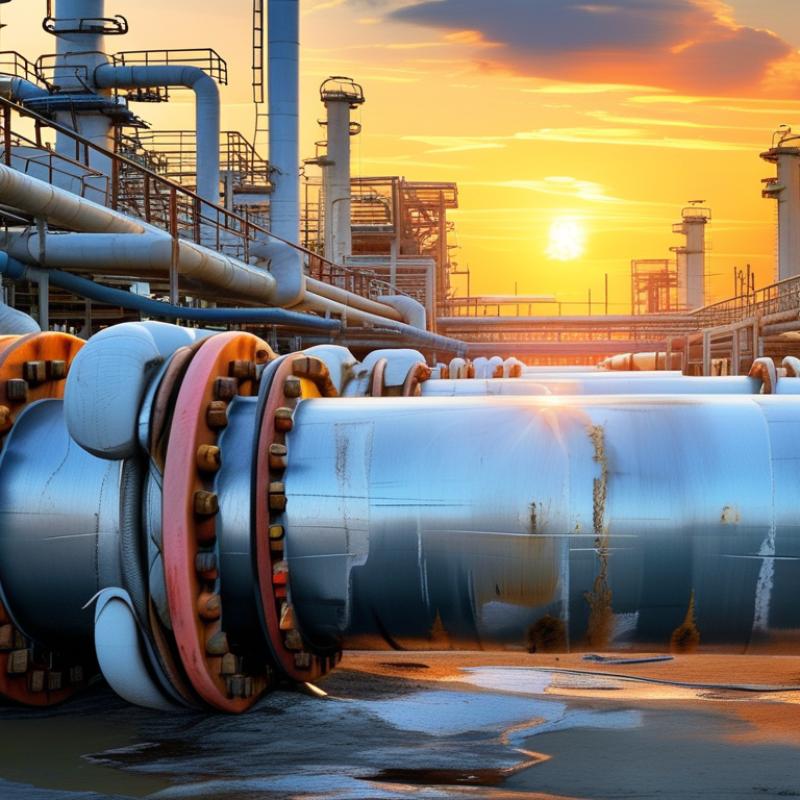
10 Best Ways to Ensure Pipe Safety in High Pressure Systems?

Understanding High Pressure Systems and Their Challenges

High-pressure systems present unique challenges. Understanding these challenges is crucial for safety. High pressure often leads to increased risk of leaks and ruptures. These incidents can cause severe damage and pose safety hazards. Regular inspections of pipes and fittings are essential. Pay attention to wear and corrosion signs. A small crack can escalate quickly under high pressure.

Tips: Utilize non-destructive testing methods regularly. This helps identify potential issues before they become emergencies. Another useful tip is to ensure that all safety valves are functional. Faulty valves can fail to relieve pressure, leading to catastrophic failures.

Training personnel is also vital. Ensure that team members understand the potential dangers. They should know the emergency protocols as well. Miscommunication can lead to tragic outcomes. Always encourage open dialogue about safety concerns. Regular reviews of safety practices can identify areas for improvement. Engage your team in discussions about past incidents or near misses. This reflection fosters a culture of safety and vigilance.

Key Materials for Durable and Safe Pipe Construction

Pipe safety in high-pressure systems relies heavily on the materials used for construction. Selecting the right materials can significantly reduce risks. According to recent industry reports, materials such as stainless steel and high-density polyethylene (HDPE) boast excellent resistance to corrosion and pressures. Stainless steel exhibits remarkable strength, with many grades capable of handling pressures exceeding 10,000 psi.

When constructing pipes, consider the environment. The temperature and chemical exposure will affect material durability. For instance, carbon steel may weaken when exposed to acidic environments. These insights emphasize the importance of meticulous material selection.

Tip: Always evaluate the specific conditions your pipes will face. Shortcomings in material selection can lead to severe failures. Additionally, continuous inspection and monitoring are essential to maintain pipe integrity over time. Consider using advanced sensors that can detect pressure fluctuations or wear. They provide real-time data, allowing for immediate corrective actions and ensuring long-term safety. Regular maintenance can catch issues before they escalate, promoting overall safety in high-pressure systems.

Best Practices for Regular Maintenance and Inspection

Regular maintenance and inspection are crucial in ensuring the safety of high-pressure systems. These practices can help detect any potential issues before they escalate. Regular checks should include looking for leaks, corrosion, and any signs of wear. Even small leaks can lead to significant problems in high-pressure scenarios. Schedule inspections frequently to evaluate system performance.

Carrying out regular maintenance also involves cleaning and replacing worn parts. This routine helps minimize risk and maintains system efficiency. Outdated components can fail dramatically under high pressure. Inspecting valves and fittings regularly is also vital, as they are often the first points of failure.

Documentation is essential during these inspections. Maintaining a log helps track performance and identify recurring issues. However, it can be easy to overlook minor observations. Neglecting small details might create serious consequences later on. Fostering a culture of accountability among staff is necessary. Everyone should understand the value of thorough inspections. Regular training can enhance awareness of best practices in maintenance. Building a proactive approach ensures a safer environment for high-pressure system operations.

10 Best Ways to Ensure Pipe Safety in High Pressure Systems

Effective Pressure Regulation and Control Techniques

Pressure regulation and control are essential for ensuring the safety of high-pressure pipe systems. Regular monitoring of pressure levels is critical. Reports indicate that approximately 40% of industrial accidents involve pressure-related failures, highlighting the importance of robust control mechanisms. Using advanced pressure relief valves can help mitigate risks. These valves release excess pressure, preventing catastrophic failures.

Implementing automated control systems can also enhance safety. Such systems provide real-time data analysis, allowing for immediate adjustments to pressure levels. According to industry standards, effective pressure management can reduce equipment wear by up to 30%. Personnel training is vital as well. Workers should understand pressure system dynamics, as human error remains a significant contributor to mishaps.

While advancements in technology improve systems, challenges remain. Aging infrastructure can compromise safety. Regular inspections are necessary to identify potential leaks or weak points. Data from regulatory bodies indicate that more than 25% of incidents stem from faulty piping. Awareness and adherence to safety protocols are crucial. Properly addressing these issues can lead to safer operational environments in high-pressure systems.

10 Best Ways to Ensure Pipe Safety in High Pressure Systems

Technique Description Benefits Frequency of Use
Regular Inspection Conducting routine pipe inspections to detect wear and tear. Early problem detection, reduced downtime. Monthly
Pressure Relief Valves Installation of valves to release excess pressure safely. Prevents system overpressure, protects components. Per installation
Temperature Monitoring Use of sensors to monitor the temperature of pipes. Prevention of thermal expansion issues. Continuous
Quality Materials Using high-grade materials for pipe construction. Increased durability and lifespan of pipes. Per installation
Automated Control Systems Implementation of automation for monitoring and controlling pressure. Enhanced precision in pressure management. Daily
Training Personnel Regular training sessions for staff on handling high-pressure systems. Improved response to emergencies, better overall safety. Quarterly
Leak Detection Systems Using sensors to quickly identify any leaks. Rapid response to leaks, reduced risk of accidents. Continuous
Stress Analysis Conducting analyses to understand pipe stress under different conditions. Optimizes design and reduces failure probability. Per project basis
Inspection Reports Documenting inspection findings and actions taken. Provides a clear record of pipe condition and maintenance actions. After each inspection

Training and Safety Protocols for Personnel Handling High Pressure Systems

In high-pressure systems, safety training for personnel is crucial. Individuals managing these systems need to understand the risks effectively. They should be well-versed in equipment operation. Regular training sessions can help reinforce best practices and procedures.

Implementing safety protocols can prevent accidents. Personnel should learn about emergency shut-off procedures. Knowing how to respond during unexpected incidents is vital. Visual aids like diagrams can also enhance understanding. Practical drills ensure everyone is prepared when faced with real situations.

Tip: Conduct simulation exercises regularly to improve team coordination. This fosters confidence in handling emergencies.

While training is essential, human error can still occur. Personnel may overlook safety checks due to complacency. A proactive approach is needed. Encouraging open discussions about safety concerns can create a more aware environment. Managers should promote a culture where questions and clarifications are welcomed.

Tip: Celebrate safety milestones to motivate the team. Recognition boosts morale and keeps safety top of mind.

FAQS

: What are the risks associated with high-pressure systems?

: High pressure can lead to leaks and ruptures. These incidents pose safety hazards and cause severe damage.

How can regular inspections help in high-pressure systems?

Inspections help identify wear and corrosion. A small crack can quickly escalate under high pressure.

What materials are best for safe pipe construction?

Stainless steel and high-density polyethylene are excellent choices. They resist corrosion and handle high pressures well.

Why is personnel training important for pressure systems?

Workers need to understand dangers and emergency protocols. Miscommunication can lead to severe outcomes.

What role do pressure relief valves play?

These valves release excess pressure. They prevent catastrophic failures in high-pressure systems.

How can automated control systems improve safety?

Automated systems allow real-time pressure adjustments. This can significantly reduce equipment wear.

What should be done to manage aging infrastructure?

Regular inspections are necessary. These identify leaks or weak points that could compromise safety.

How do environmental conditions affect material durability?

Temperature and chemical exposure can weaken materials. For example, carbon steel may falter in acidic environments.

What techniques promote overall safety in high-pressure systems?

Continuous monitoring, proper material selection, and training create safer operational environments.

How can open dialogue enhance safety culture?

Encouraging discussions about safety concerns fosters vigilance. Reflecting on past incidents promotes a culture of safety.

Conclusion

Ensuring pipe safety in high pressure systems is critical to prevent accidents and maintain operational efficiency. This article outlines essential methods for achieving this goal, beginning with a thorough understanding of high pressure systems and the unique challenges they present. Key materials for pipe construction are highlighted, emphasizing the importance of using durable and reliable components to withstand extreme conditions.

Regular maintenance and inspection practices are vital for identifying potential issues before they escalate, ensuring the integrity of the pipes. Additionally, effective pressure regulation and control techniques are discussed, which play a significant role in managing system demands and preventing failures. Finally, training and safety protocols for personnel are crucial to ensure that all staff are equipped with the knowledge and skills needed to handle high pressure systems safely. By implementing these strategies, operators can significantly enhance pipe safety in high pressure environments.

Sophia

Sophia

Sophia is a dedicated marketing professional with an exceptional depth of knowledge about her company's products and services. With a keen understanding of market trends and customer needs, she crafts insightful blog posts that not only inform but also engage readers, enriching the company’s online......