In the steel pipe industry, understanding what certifications are required for steel pipes is crucial for compliance and safety. According to a recent report by the American Society for Testing and Materials (ASTM), more than 70% of companies experience delays due to insufficient documentation and certifications. David H. Lawson, a respected industry expert, emphasizes, "Proper certifications ensure that the quality of steel pipes meets industry standards and protects stakeholders."
Companies must navigate various certifications like API, ASME, and ISO. Each certification serves different purposes, yet they all aim to uphold safety and performance. Insufficient knowledge about these requirements can lead to serious operational setbacks. The evolving regulations in this field pose challenges. Many organizations struggle to keep up-to-date with the necessary standards. This raises a critical question: what certifications are required for steel pipes?
Investing in the right certifications isn’t just about compliance; it reflects a commitment to quality. Flawed certification processes can undermine buyer trust. Ultimately, steel pipes without the required certifications can jeopardize entire projects. Addressing these gaps is vital for long-term industry success.
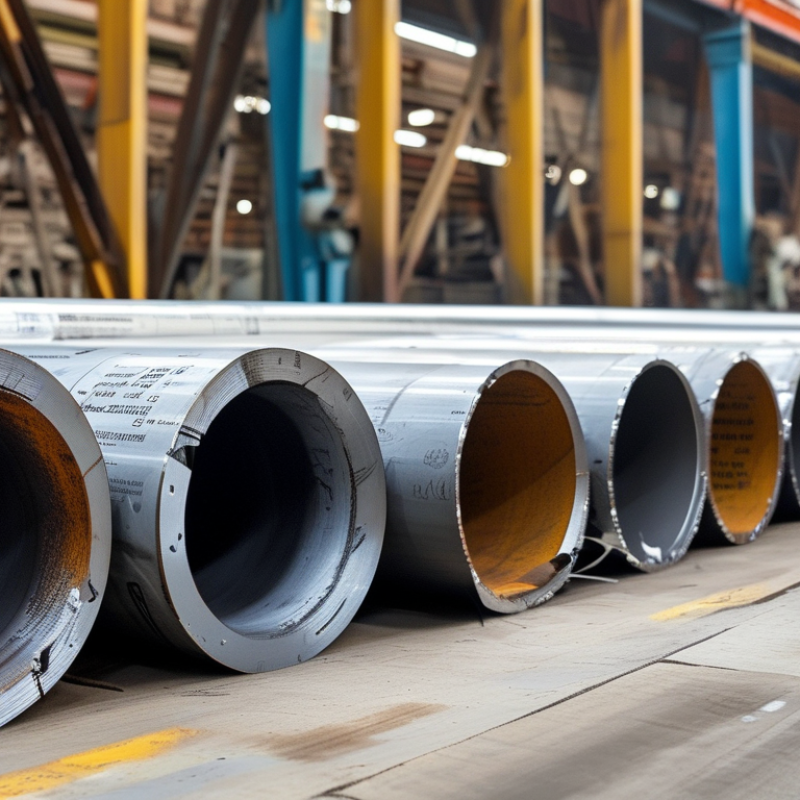
When it comes to certifications for steel pipes, several key types are essential. These certifications ensure quality and safety in various applications. Common certifications include ASTM, ISO, and API standards. Each has specific guidelines that manufacturers must follow to ensure their products meet industry requirements.
Many industries rely on certified steel pipes for their projects. The ASTM standard focuses on material specifications and testing methods. ISO certifications emphasize quality management systems. API certifications are crucial for oil and gas applications, ensuring pipes meet specific safety standards. Each certification reflects rigorous testing and evaluation, which builds trust in the products.
Tips: Always verify the validity of a certification. Look for documentation from recognized bodies. This can prevent future issues with material performance. Understanding the specifics of each certification can guide purchasing decisions. Misunderstandings might lead to costly errors down the line. Prioritize suppliers who demonstrate transparency in their certification processes.
When it comes to steel pipe certification, understanding national and international standards is crucial. Various organizations establish these standards, ensuring safety and quality. The American Society for Testing and Materials (ASTM) sets guidelines for many types of steel pipes. Their certifications often dictate that products must undergo specific tests for durability and strength.
Meanwhile, the International Organization for Standardization (ISO) represents global standards. ISO certifications emphasize quality management and environmental responsibility. Adhering to these standards often benefits manufacturers by increasing credibility in the market. It reflects their commitment to excellence.
However, not all manufacturers might fully comply. Some may struggle to meet these stringent guidelines. This can lead to subpar products reaching the market. Such lapses raise questions about the reliability of materials. In an industry where trust is paramount, ensuring compliance is vital. Companies should continuously revisit their practices and certifications. This self-reflection promotes accountability and enhances overall quality in steel pipe production.
| Certification Name | Issuing Body | Applicable Regions | Standard Reference |
|---|---|---|---|
| ASTM A53 | ASTM International | USA | ASTM A53/A53M |
| API 5L | American Petroleum Institute | Worldwide | API Spec 5L |
| ISO 3183 | International Organization for Standardization | International | ISO 3183 |
| EN 10219 | European Committee for Standardization | EU | EN 10219-1 |
| CSA Z245 | Canadian Standards Association | Canada | CSA Z245.1 |
When it comes to steel pipes, industry-specific certifications are critical. Different applications require various standards and compliance. According to the American Society for Testing and Materials (ASTM), certifications ensure quality control and safety. For instance, API 5L certification verifies that steel pipes meet stringent criteria for oil and gas transportation.
The American National Standards Institute (ANSI) also plays a significant role. Their endorsement indicates adherence to safety regulations and quality benchmarks. Selected certifications can dramatically impact project success. For example, structures utilizing certified steel pipes often show a 30% increase in longevity.
However, many companies overlook these certifications.
Certification in steel pipe production is essential for ensuring quality and safety. The process involves rigorous testing and inspections. These measures help to identify defects in materials and manufacturing practices. Without proper certification, steel pipes may not meet industry standards. This can lead to failures in critical applications, posing risks to safety and functionality.
Quality assurance through certification helps in establishing trust. It assures customers that the products are reliable. Various organizations provide certifications based on specific criteria. Compliance with these standards is vital for manufacturers. However, achieving certification can be challenging. Some companies may cut corners, leading to subpar materials. This emphasizes the need for transparency and accountability in the certification process.
In addition to quality, certifications can enhance market competitiveness. Companies with certified products are often favored by clients. They show commitment to excellence and safety. Yet, the landscape is not perfect. There are varying levels of certification across regions and industries. This inconsistency can confuse buyers. Striving for a unified standard may improve overall quality assurance in the market.
Obtaining certifications for steel pipes is crucial for compliance and safety. The process often begins with understanding the specific requirements outlined by industry standards. These vary based on the application, such as construction or oil and gas. It’s important to have a clear grasp of these standards before starting the certification process.
Once you identify the necessary standards, documentation is key. Manufacturers need to prepare a comprehensive set of documents, including quality control procedures and material test reports. All specifications must align with the standards required for certification. Failure to provide complete documents can lead to significant delays.
After documentation is in order, the next step involves scheduling inspections. These inspections evaluate the manufacturing process, the quality of raw materials, and finished products. A successful inspection leads to certification, but the journey doesn’t end there. Regular audits may be required to maintain certification status. This process can be overwhelming and may also highlight areas needing improvement. Continuous learning and adaptation are essential to navigate these challenges effectively.
: Key certifications include ASTM, ISO, and API standards. Each ensures quality and safety in various applications.
ASTM focuses on material specifications and testing methods to guarantee product quality.
ISO certifications emphasize quality management systems, enhancing overall manufacturing efficiency and reliability.
API certification verifies that pipes meet specific safety standards for oil and gas applications.
Always look for documentation from recognized bodies to prevent issues with material performance.
Misunderstandings can lead to costly errors. Knowing specifics helps guide better purchasing decisions.
They can significantly impact project success and increase longevity, sometimes by as much as 30%.
Ensure suppliers provide proof of certification. This protects your project from possible leaks or failures.
Teach the importance of certifications to foster a culture of quality assurance amongst team members.
Not every supplier prioritizes transparency in their certification processes, which could indicate a problem.
When considering what certifications are required for steel pipes, it's essential to understand the various types of certifications that are pertinent to this industry. These certifications are often guided by national and international standards, which ensure that the pipes meet essential safety and quality requirements. Additionally, industry-specific certifications may be necessary depending on the application, such as construction, oil and gas, or infrastructure projects.
The importance of certification in steel pipe quality assurance cannot be overstated, as it helps maintain safety and reliability in their applications. The process for obtaining these certifications typically involves rigorous testing and compliance checks to ensure that the materials meet required specifications. By understanding and pursuing the necessary certifications, manufacturers can enhance the integrity and trustworthiness of their steel pipe products in the market.

Flowtera Pipe