When discussing the durability of steel pipes, one crucial question arises: what is the lifespan of steel pipes? According to industry expert Dr. Emily Chen, a leading specialist in structural integrity, "The lifespan of steel pipes can vary widely based on several factors, including environmental conditions and maintenance." Her insights highlight the complexity behind determining how long steel pipes can effectively serve their purpose.
Steel pipes are commonly used in various industries, from construction to oil and gas. Their longevity directly impacts safety and economic factors. Factors such as corrosion, pressure, and temperature fluctuations play significant roles. Additionally, the type of steel and construction quality are essential. With proper care, these pipes can last decades, but neglect could lead to premature failure.
Understanding the lifespan of these pipes is critical for both industry professionals and consumers. Regular inspection and maintenance can extend their durability. However, it is important to acknowledge that even the most robust materials can encounter unforeseen challenges. Steel pipes may require upgrades or replacements over time, prompting deeper reflections on what it means to ensure long-term infrastructure reliability.
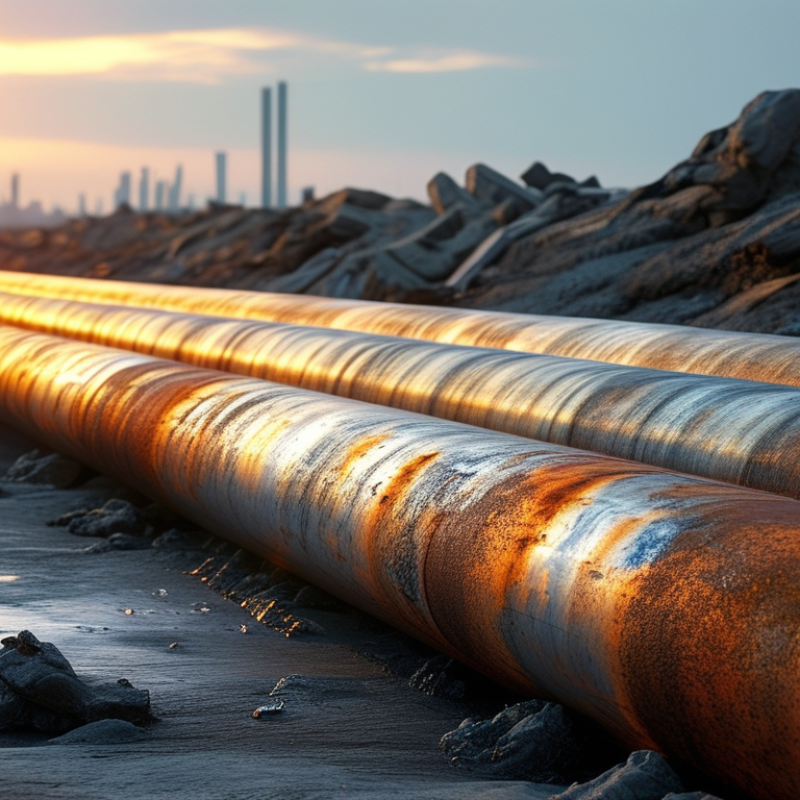
Understanding the lifespan of China’s best steel pipes involves several critical factors. The material composition plays a significant role. High-quality steel pipes often adhere to international standards like ASTM or ISO. Research indicates that pipes made from high-grade carbon steel can last between 30 to 50 years under optimal conditions. Yet, environmental factors such as corrosion and temperature fluctuations can significantly shorten their lifespan.
Maintenance also influences durability. Regular inspections and proper handling contribute to longevity. According to industry reports, neglecting routine maintenance can reduce a pipe's lifespan by up to 40%. It's crucial for users to be proactive. Proper storage and protection from moisture are essential.
Corrosion resistance is critical in determining lifespan. Pipes coated with anti-corrosive materials or those made from stainless steel tend to last longer in harsh environments. Data shows that stainless steel pipes can exceed 50 years in lifespan. However, environmental challenges are unpredictable, leading to potential failures. This unpredictability highlights the importance of quality assessments and ongoing monitoring for long-lasting performance.
When considering the lifespan of steel pipes, various factors play a critical role in determining their durability. Environmental conditions can significantly influence performance. For instance, pipes used in harsh climates may be more susceptible to corrosion. Exposure to moisture, salt, and other chemicals can weaken the steel over time. Regular inspections reveal early signs of wear or rust, allowing for timely maintenance.
The quality of the steel itself also matters. Higher-grade steel generally offers greater resistance to wear and tear. However, manufacturing processes can affect the overall strength. Flaws during production may lead to weaknesses that compromise longevity. It is essential to evaluate the certifications and standards met by the products.
Installation methods can further impact the lifespan. Poorly executed installations might create stress points, leading to early failure. Ensuring pipes are properly aligned and supported contributes to their overall integrity. A focus on these factors plays a vital role in achieving optimal performance and reliability in steel pipe use. Ensuring knowledge share among users can help foster best practices too.
When comparing the lifespan of steel pipes, different grades play a crucial role. For instance, carbon steel pipes generally last between 10 to 30 years, depending on conditions such as environment and usage. In contrast, stainless steel pipes, known for their corrosion resistance, can surpass this range significantly, often exceeding 50 years. A 2021 report by the American Society of Civil Engineers highlighted that proper maintenance and the right coating can extend the life of carbon steel pipes up to 50% beyond their initial estimates.
The environment also significantly affects longevity. Pipes in harsh environments, such as those exposed to certain chemicals, may corrode more quickly. Data from the National Association of Corrosion Engineers indicate that corrosion can reduce pipeline life by 25% or more. This inconsistency in lifespan due to external factors reveals the importance of grade selection. It’s critical for industries to consider environmental factors and pipe grades when making infrastructure decisions. The variations in lifespan across steel pipe grades not only illustrate the need for careful planning but also prompt scrutiny of maintenance practices to ensure optimal longevity.
Maintaining steel pipes properly is essential for ensuring their longevity. Regular inspections can help identify issues such as corrosion and leaks. According to a report by the Steel Pipe Institute, routine maintenance can extend the lifespan of steel pipes by up to 30%. Inspecting connections and joints frequently can prevent costly repairs down the line.
Environmental factors play a significant role in the degradation of steel pipes. For example, exposure to humidity and chemicals can accelerate rusting. Therefore, applying protective coatings can be beneficial. A survey by the American Society of Civil Engineers found that nearly 20% of water damage is attributed to pipe failures due to poor maintenance. That's a significant issue that requires attention.
Additionally, proper installation is crucial. The placement of pipes should consider temperature changes and potential ground movement. Installing insulation can minimize thermal expansion effects. It’s crucial to choose compatible materials for joints to avoid weaknesses. Following these detailed maintenance guidelines will support the longevity of steel pipes, saving time and resources in the long run.
| Parameter | Details |
|---|---|
| Typical Lifespan | 10-50 years depending on usage and environment |
| Common Materials | Carbon steel, galvanized steel, stainless steel |
| Factors Affecting Lifespan | Corrosion, pressure, temperature, and installation quality |
| Maintenance Frequency | Every 6-12 months recommended |
| Recommended Maintenance Practices | Regular inspections, cleaning, and protective coatings |
Durable steel pipes find extensive applications across various industries. In construction, they are essential for framework support. These pipes bear heavy loads while maintaining structural integrity. They withstand harsh weather and physical stress. In the oil and gas sector, reliable piping is critical for transporting fluids. Steel pipes resist corrosive environments and keep operations safe. Their strength ensures a steady flow with minimal leaks.
In the water supply industry, steel pipes deliver clean drinking water. They are preferred for their longevity and resistance to wear. Unlike plastic, they do not degrade as quickly under pressure. For industrial processes, they are often used in heat exchangers. Their high thermal conductivity helps in efficient energy transfer, which is vital in manufacturing.
While durable, steel pipes can have weaknesses. Corrosion can still occur under certain conditions. Regular inspections are needed to maintain safety and functionality. Operators must be aware of the environment surrounding the pipes. Proper protective measures can enhance their lifespan significantly. This knowledge is crucial for all industries using steel piping systems.
: Material composition, environmental conditions, maintenance, and installation methods are key factors.
They can last between 30 to 50 years under optimal conditions.
Yes, neglecting maintenance can reduce a pipe's lifespan by up to 40%.
It is critical; pipes with anti-corrosive coatings last longer in harsh environments.
Yes, exposure to moisture and chemicals can weaken the steel over time.
Higher-grade steel generally offers greater resistance, but manufacturing flaws can compromise it.
Poor installations can create stress points, leading to early failure.
Inspections can reveal early signs of wear, allowing for timely maintenance.
Users should focus on proper installation, maintenance, and environmental protection.
Yes, unpredictable environmental challenges can lead to potential failures.
The article "China Best Steel Pipes Lifespan: What You Need to Know?" explores the essential factors influencing the longevity of steel pipes, emphasizing that the question of what is the lifespan of steel pipes can vary significantly based on material grade and environmental conditions. It highlights how different steel grades have distinct durability profiles, with higher-grade pipes generally offering longer lifespans.
Moreover, the piece outlines several maintenance strategies to extend the life of steel pipes, such as regular inspections and protective coatings, ensuring optimal performance in various applications across industries. By understanding these factors, users can make informed choices and ensure the longevity of their steel piping systems.

Flowtera Pipe