Stainless steel pipes are essential in various industries, including construction, automotive, and food processing. They are known for their durability and resistance to corrosion. According to a report by MarketsandMarkets, the global stainless steel pipes market is expected to reach USD 36 billion by 2025. This growth reflects increasing demand in industrial applications.
When considering what are the advantages of stainless steel pipes, several factors come into play. One key benefit is their longevity. They can endure extreme temperatures and pressures, making them suitable for diverse environments. Their non-reactive properties ensure that they do not contaminate products carried through them, a critical aspect in food and pharmaceutical industries.
However, one should also reflect on the costs. Stainless steel pipes tend to be more expensive than alternatives like PVC or carbon steel. Although they offer significant advantages, the initial investment can be a barrier for some. It is essential to weigh these aspects carefully before making a decision.
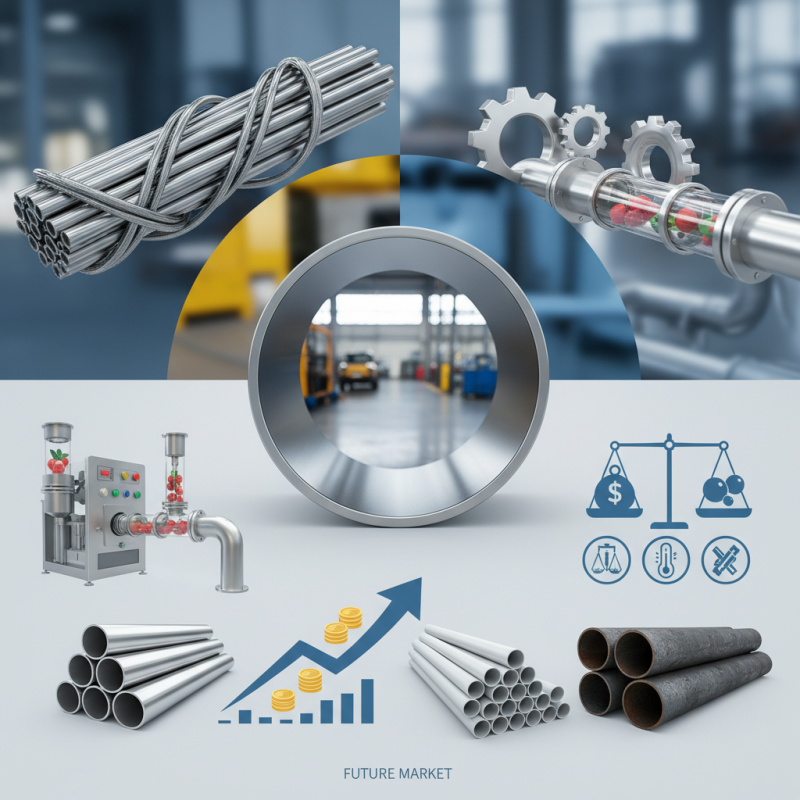
Types of Stainless Steel Pipes and Their Applications
Stainless steel pipes come in various types, each suited for specific applications. One common type is the seamless pipe, known for its strength. Seamless pipes are often used in high-pressure applications, such as oil and gas transportation. Their lack of seams reduces the risk of leaks, making them a reliable choice for critical projects.
Welded pipes, on the other hand, are formed by welding two flat pieces of stainless steel together. While they are generally more cost-effective than seamless pipes, they may have weaknesses at the weld joint. These pipes are often used in less critical applications, like plumbing systems and handrails. It’s essential to assess the intended use when deciding which type to employ.
Another important type is the stainless steel pipe with various grades. The grade determines its corrosion resistance and strength. For instance, 304 grade pipes are suitable for kitchen applications, while 316 grade pipes excel in marine environments. Understanding the differences among these grades can greatly impact the longevity and performance of the piping system. Factors like environment, pressure, and budget should all be considered, even if it complicates the selection process.
Stainless Steel Pipes: Types and Applications
This chart illustrates the application index of various types of stainless steel pipes, demonstrating their versatility and common uses in different industries.
Key Factors to Consider When Choosing Stainless Steel Pipes
When choosing stainless steel pipes, several key factors demand attention. The grade of stainless steel is crucial. Different grades offer various benefits, such as corrosion resistance or strength. Grade 304 is popular for general use. However, if your project involves high temperatures, consider Grade 316 instead for its superior performance.
The diameter and wall thickness of the pipes also matter. These dimensions directly impact flow rates and pressure handling. Selecting the wrong size can lead to inefficiencies. For example, a pipe that is too small might restrict flow, while one that is too large could result in higher costs and unnecessary weight.
Don't overlook the environment where the pipes will be used. Factors like exposure to chemicals or extreme weather can influence material choice. Inconsistent conditions might lead to premature failure. Therefore, it's essential to assess your specific needs and environment carefully. Making informed choices can prevent future complications and ensure long-lasting functionality.
Benefits of Using Stainless Steel Pipes in Various Industries
Stainless steel pipes are essential in multiple industries. Their resistance to corrosion makes them ideal for harsh environments. In construction, they support structures and ensure long-lasting durability. These pipes can handle high temperatures and pressures, making them suitable for plumbing and heating systems.
In food processing, stainless steel pipes maintain sanitary conditions. They prevent contamination of products, which is crucial for health and safety. Furthermore, they are easy to clean, which helps in maintaining hygiene standards. In the automotive industry, their strength and lightweight properties contribute to efficiency and performance.
Tips: When selecting stainless steel pipes, consider the application they will serve. Check the specifications that match your needs. Thickness plays a key role in durability. However, with various grades available, it can be overwhelming. Research the properties of each type before making a decision. Ensuring that you get the right fit is crucial for operational success.
Common Standards and Specifications for Stainless Steel Pipes
Choosing the right stainless steel pipes involves understanding various standards and specifications. The most recognized standards include ASTM, ASME, and ISO. ASTM A312, for instance, covers seamless and welded pipes. This specification is crucial for applications requiring high pressure and temperature resistance.
The dimensions of stainless steel pipes often follow the standards set by the American National Standards Institute (ANSI). Common sizes range from 1/8 inch to 36 inches in diameter. According to industry reports, a significant number of pipes are produced in sizes between 2 inches and 12 inches. Proper sizing is essential to ensure safety and performance.
Material grades also matter. The most common grades are 304 and 316. Grade 316 offers better resistance against corrosion from chemicals and saltwater. Interestingly, about 70% of the stainless steel used globally is of these two grades. However, choosing a grade without understanding the application environment may lead to unexpected failures. It's vital to consider conditions such as temperature fluctuations and exposure to harmful substances. Failures can be expensive and dangerous, emphasizing the need for informed choices.
Maintenance Tips for Enhancing Durability of Stainless Steel Pipes
Stainless steel pipes offer remarkable durability, but maintaining them is crucial for extending their lifespan. Regular cleaning helps to prevent corrosion, a common concern. Studies show that nearly 50% of stainless steel failures result from poor maintenance. Simple techniques, like using a soft brush with mild soap, can remove contaminants effectively.
Additionally, monitoring the environment in which the pipes are used is vital. High humidity and exposure to harsh chemicals can accelerate wear and tear. Ensure proper drainage to minimize standing water. According to industry reports, implementing these practices can enhance service life by up to 30%.
Inspections should not be overlooked. Small cracks or signs of rust can escalate if ignored. Performing visual checks at least twice a year can catch potential problems early. Some experts recommend creating a log to document conditions and repairs. This attention to detail can prevent costly failures and foster a culture of safety.
FAQS
: The grade of stainless steel is crucial. Different grades have unique benefits, like corrosion resistance.
These dimensions affect flow rates and pressure. Choose sizes carefully to avoid inefficiencies.
Exposure to chemicals or extreme weather can lead to premature failure. Assess your specific environment.
Their strength and corrosion resistance support structures and ensure long-lasting durability in construction.
They maintain sanitary conditions and prevent product contamination, crucial for health standards.
Regular cleaning and monitoring the environment are vital. Use a soft brush and mild soap.
Perform visual checks at least twice a year to catch small issues before they escalate.
Poor maintenance can lead to significant issues, like corrosion, causing costly failures.
Proper maintenance can enhance service life by up to 30%.
Create a log to document inspections and repairs. This promotes attention to detail and safety.
Conclusion
When choosing stainless steel pipes, it is essential to consider various types and their specific applications, such as seamless or welded pipes used in construction and industrial processes. Key factors include pipe dimensions, corrosion resistance, and temperature tolerance, which are crucial for ensuring the right fit for your project needs. The benefits of using stainless steel pipes are numerous; they offer excellent durability, resistance to rust and staining, and low maintenance requirements, making them a preferred choice in various industries, including healthcare, food processing, and oil and gas.
Additionally, understanding common standards and specifications for stainless steel pipes can help in making informed decisions during procurement. Maintenance tips, such as regular cleaning and inspections, can further enhance the longevity of these pipes. Overall, when evaluating what are the advantages of stainless steel pipes, it becomes clear that their unique properties and versatility significantly contribute to their widespread use and reliability in many applications.

 Flowtera Pipe