Why Is Choosing the Best Pipe Material Essential for Industry?

Time:2026-07-29 Author:Sienna
0%

Choosing the right pipe material is crucial in industrial settings. It affects durability, efficiency, and safety. John Smith, a renowned materials engineer, states, “The choice of pipe material can make or break an industrial project.” His words emphasize the significance of selecting the best options.

In industries, the question arises: "which pipe material is best for industrial use?" Factors such as pressure, temperature, and chemical exposure must be considered. Metal pipes are strong but can corrode. Plastic pipes resist chemicals but may not handle high temperatures well. The decision requires careful evaluation of specific needs.

Each material has its strengths and weaknesses. Not all materials suit every application. Therefore, industry professionals must analyze their unique requirements. It's a complex process that demands expertise. Ultimately, making the right choice can lead to increased efficiency and reduced costs. Ignoring this decision can result in significant challenges down the line.
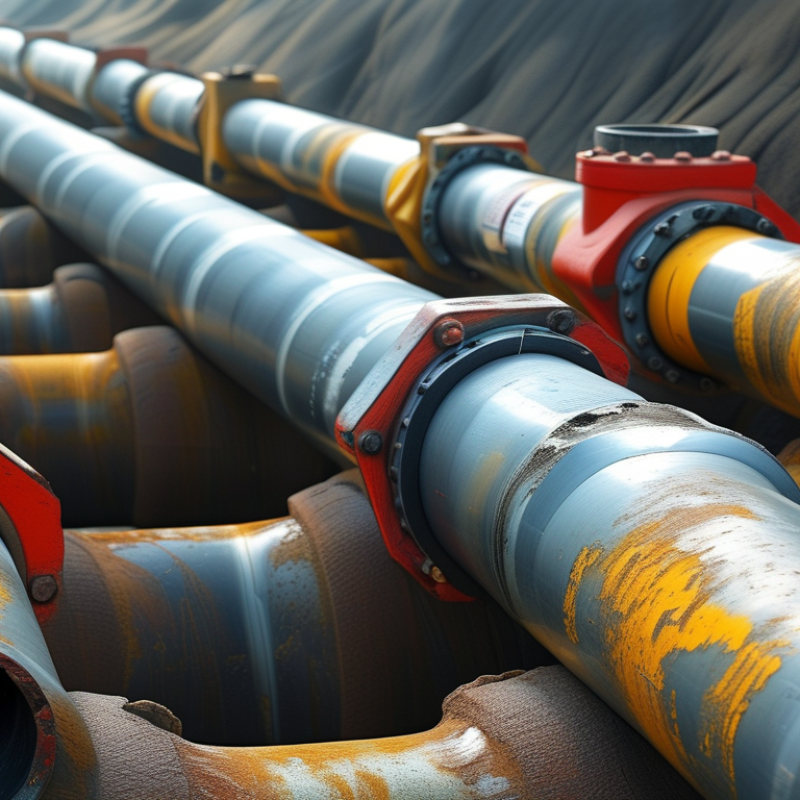
Why Is Choosing the Best Pipe Material Essential for Industry?

Importance of Selecting Optimal Pipe Materials for Industrial Applications

Selecting the right pipe material is crucial in industrial applications. Different materials serve specific needs. For example, metal pipes are strong but may corrode. Plastic options resist chemicals but can warp under heat. Understanding these properties helps industries avoid costly mistakes.

Environmental conditions play a critical role. Extreme temperatures or pressures demand certain materials that can withstand stress. Often, engineers face dilemmas. Should they choose durability over weight? Or prioritize cost savings at the risk of safety? Each decision has lasting impacts.

Moreover, compliance with regulations adds another layer of complexity. Industries must navigate various standards based on their materials. The right choice ensures not only efficiency but also compliance. In an era focused on sustainability, selecting eco-friendly options becomes imperative. Balancing performance, cost, and environmental impact is no simple task, yet it is essential for long-term success.

Factors Influencing Pipe Material Selection in Various Industries

Choosing the right pipe material is crucial for various industries. Key factors include temperature, pressure, and fluid type. For example, in the oil and gas sector, approximately 85% of pipeline failures are linked to inappropriate material selection. Engineers must carefully analyze these factors to ensure system integrity and longevity.

Cost is another key consideration. According to a 2021 market report, material costs can account for 40% of total project expenses. Choosing the right material can lead to significant savings, both upfront and over time. Some materials, like PVC or stainless steel, might have lower initial costs but higher maintenance needs. In contrast, higher durability materials can reduce long-term spending.

Environmental impact cannot be overlooked. Many industries are shifting towards sustainable options. A report from the International Energy Agency indicates a 30% increase in demand for eco-friendly materials by 2025. This shift requires careful material selection to meet both performance and environmental standards. The challenge lies in balancing cost, durability, and sustainability while navigating industry regulations.

Common Pipe Materials and Their Unique Characteristics

Choosing the right pipe material can greatly impact industrial efficiency. Each type of pipe has unique characteristics tailored to specific applications. For instance, steel pipes are known for their strength and durability. They can withstand high pressures and temperatures, making them ideal for heavy-duty applications. However, they are prone to rust and corrosion over time.

On the other hand, PVC pipes are lightweight and resistant to corrosion. They are often used in plumbing and drainage systems. Their flexibility allows for easy installation in various environments. However, they are not suitable for high-temperature applications. This can limit their use in certain industries.

Lastly, copper pipes stand out for their antimicrobial properties. They are widely used in water supply lines and HVAC systems. Yet, copper is relatively expensive, which can deter budget-conscious projects. Each material comes with advantages and disadvantages. Choosing the best option requires careful consideration of the specific needs and limitations of the project.

Impact of Pipe Material on System Performance and Longevity

The choice of pipe material significantly impacts system performance and longevity. Different materials behave uniquely under varying conditions. For example, metals like stainless steel resist corrosion but may not be ideal for all fluids. Plastic pipes are lightweight and cost-effective, yet can degrade under UV exposure.

Tips: Always consider the chemical properties of the fluids involved. Testing compatibility is crucial. Choosing the wrong material can lead to leaks and costly repairs.

For high-temperature applications, opt for materials rated for thermal resistance. Failure to do so can result in pipe bursts. Regular maintenance checks help identify early signs of wear. This is often overlooked but can extend the life of any piping system significantly.

Remember, the right pipe material not only promotes efficiency but also enhances reliability. Making an informed choice upfront can prevent future headaches. Exploring different options helps in understanding their strengths and weaknesses thoroughly.

Cost Considerations in Choosing Pipe Materials for Industrial Projects

Selecting the right pipe material is crucial in industrial projects. Among the many factors, cost plays a pivotal role. The price of materials varies widely. This affects budgets and project timelines significantly. Industries often lean towards metals like steel or copper. While these options offer durability, they come with higher upfront costs.

However, it’s not always about the initial price. Consider long-term expenses. Maintenance costs can add up over time. For instance, plastic pipes may have lower initial costs but can lead to frequent replacements. Industrial managers must weigh these factors carefully. Selecting a material solely based on initial price may lead to regret.

A project may encounter unexpected expenses due to material failure. Understanding the full financial picture is essential. Choosing pipe materials demands a focus on both upfront costs and long-term reliability. Balancing these elements can be a daunting task, but it is necessary for the project's success.

FAQS

: What factors influence the selection of pipe materials in industries?

: Key factors include temperature, pressure, and fluid type. Each plays a crucial role.

How does improper material selection impact pipelines?

About 85% of pipeline failures are linked to inappropriate material choices. This can be costly.

Why is cost a critical consideration in pipe material selection?

Material costs can account for 40% of total project expenses. It affects budget and project timeline.

How do maintenance needs differ between materials?

Some materials have lower initial costs but higher maintenance. This can lead to unexpected long-term expenses.

What is the importance of environmental impact in material selection?

Many industries are shifting towards sustainable options. Eco-friendly materials are increasingly in demand.

How can chemical compatibility affect pipe material choice?

Always consider the chemical properties of fluids. Choosing unmatched materials can lead to leaks or repairs.

What can happen if the wrong material is chosen for high temperatures?

Failure to select thermal-resistant materials can lead to pipe bursts. This risk is significant.

Why are maintenance checks crucial for piping systems?

Regular checks can identify early signs of wear. This often overlooked step extends the piping system’s life.

What should be balanced when choosing pipe materials?

Balance cost, durability, and sustainability. The challenge is navigating through industry regulations effectively.

How does informed material selection prevent future headaches?

An informed choice enhances reliability and efficiency. Exploring options helps mitigate risks related to failures.

Conclusion

Choosing the best pipe material for industrial use is crucial for ensuring system efficiency and longevity. The selection process involves understanding the unique characteristics of common materials such as metal, plastic, and composite options, which each have their advantages and limitations depending on the specific application. Factors such as temperature, pressure, and the nature of the fluid being transported play a significant role in determining which pipe material is best suited for a given industrial environment.

Moreover, cost considerations cannot be overlooked as they directly impact project budgets and operational expenses. By carefully evaluating the performance characteristics and costs associated with different pipe materials, industries can make informed choices that enhance system reliability and reduce maintenance needs. Ultimately, the decision regarding which pipe material is best for industrial use is a vital step that influences both short-term project outcomes and long-term infrastructure durability.

Sienna

Sienna

Sienna is a skilled marketing professional with a deep expertise in our company’s core products and services. With a passion for innovation and detail, she plays a pivotal role in crafting insightful blog posts that not only highlight the unique features of our offerings but also provide valuable......