How to Choose Pipes for Extreme Temperatures?

Time:2026-11-07 Author:Liam
0%

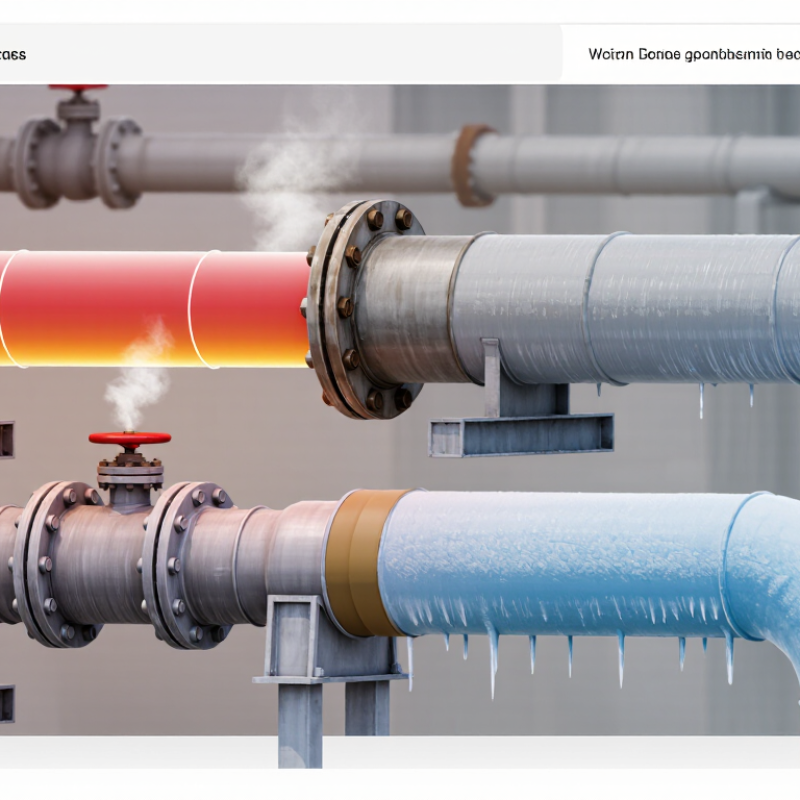
Choosing a pipe for extreme temperatures is not a catalog exercise. It is a decision about how the pipe, joints, supports, and surrounding equipment behave as temperatures rise or fall. A line carrying hot steam may expand, stress its anchors, and weaken over time. A cryogenic line faces different risks: brittle fracture, contraction, and moisture freezing on its outer surface. The fluid temperature matters, but so do pressure, cycling frequency, corrosion, insulation, and the consequences of a leak.

There is one important limitation: no source articles or verifiable expert quotation were provided, so I cannot responsibly invent a named expert’s words. A useful engineering principle is simple: select for the pipe’s full operating envelope, not its normal temperature alone. That means checking material temperature limits, pressure ratings, joining methods, and applicable design codes with qualified engineers. Stainless steel, carbon steel, and nickel alloys each have different strengths; none is automatically the right answer. Small details matter. A valve connection, weld, or support can become the weak point. Sometimes the first draft of a material choice looks convincing, then fails when thermal cycling is considered. That deserves a second look.

This guide to how to choose pipes for extreme temperatures will explain the practical checks behind a sound selection. It will also show where assumptions need verification, because real systems rarely behave as neatly as a chart suggests.
How to Choose Pipes for Extreme Temperatures?

Define the Full Design Range: Minimum, Normal, and Maximum Temperatures

How to Choose Pipes for Extreme Temperatures?

Define the Full Design Range: Minimum, Normal, and Maximum Temperatures

Before selecting a pipe, document the lowest, typical, and highest temperatures it will experience. Use actual process data where available, not just the target setpoint. Include startup, shutdown, cleaning, and upset conditions. These brief events can push pipe walls beyond normal operating temperatures. Small details matter.

The minimum temperature affects material toughness, flexibility, and the performance of seals and joints. At the maximum, check allowable pressure, expansion, and the effects of long exposure. A pipe suitable at room temperature may behave differently when cold or hot. Consider the whole assembly, including valves, supports, and connection materials.

Also note how long each temperature lasts and how quickly changes occur. A rapid swing can create stress, especially where a hot section meets a cold one. Check temperature at the pipe wall, since insulation, flow, and ambient conditions can make it differ from the fluid reading. This is easy to overlook. If operating records are incomplete, state the assumptions clearly and verify them before finalizing the design.

How to Choose Pipes for Extreme Temperatures?

Define the Full Design Range: Minimum, Normal, and Maximum Temperatures

Reference points for water at standard atmospheric pressure: freezing point (0°C), an illustrative normal reference (20°C), and boiling point (100°C). These are not universal pipe design limits. Establish the actual minimum, normal, and maximum—including startup, shutdown, upset, and ambient conditions—then check the selected pipe material and pressure rating against applicable codes. Pressure changes water’s boiling point.

Select Cryogenic Pipe: ASTM A333 Grade 8 Impact-Tested at −195°C

For cryogenic service, ASTM A333 Grade 8 pipe is designed for low-temperature applications and impact-tested at −195°C. That temperature is close to liquid nitrogen conditions. The test checks whether the steel can absorb energy without becoming dangerously brittle. It is a useful requirement, not a guarantee that every part of a piping system is suitable.

Check the material test report for Grade 8, impact-test temperature, results, and heat number traceability. Match the pipe’s wall thickness and pressure rating to the actual design conditions. Also review the minimum metal temperature during startup, shutdown, and upset events. Small details matter. A tested pipe connected to unsuitable fittings or valves can still create a weak point. It is easy to focus on the grade alone; that deserves a second look.

Tips: Confirm that impact-test records match the delivered pipe. Check compatibility across fittings, welds, and valves, and use qualified welding procedures. Inspect for handling damage before installation. Keep the documentation accessible for future maintenance. One more thought: −195°C is a test condition, not a substitute for checking the whole system’s design.

Screen PEX for Heat: ASTM F876 Rates It at 80 psi and 93°C

At 93°C (200°F), PEX tubing is commonly rated at 80 psi; at 82°C (180°F), the familiar rating is 100 psi. ASTM F876, the specification for crosslinked polyethylene tubing, sets performance and marking requirements relevant to these classifications. Check the tubing’s printed designation and technical sheet together. The headline rating is not a universal promise for every product. A gauge is not enough.

The Plastics Pipe Institute’s Technical Report TR-3 describes how long-term hydrostatic strength data supports design bases for thermoplastic piping. It provides useful context, but the specific product listing still matters. In a hot-water loop, a fitting, valve, or connection may have a lower limit than the pipe. Check every component, including any temperature derating. That detail matters.

Picture a pipe running beside a boiler: the water is hot, pressure fluctuates, and a joint may be the weak point. ASTM’s 80-psi figure does not mean continuous operation at any pressure is harmless. Confirm the intended operating temperature, pressure, and system design conditions before choosing tubing. It is easy to fixate on one number. The whole assembly deserves the same scrutiny.

Check Hot-Service Strength: ASME B31.3 Table A-1 Lists Allowable Stress by Grade

How to Choose Pipes for Extreme Temperatures?

For hot-service piping, ASME B31.3 Table A-1 is a practical starting point. It lists allowable stress values by material grade and temperature. Match the exact specification, grade, product form, and design temperature before using a value. Similar-sounding grades may have different limits. Small details matter. Check the applicable code edition, too, since table values and requirements can change. A neat table entry can still create false confidence.

Allowable stress helps engineers assess pressure capacity, but it does not prove that a pipe suits every extreme-temperature condition. At high temperatures, strength may decline and creep can become important over time. Thermal cycling, corrosion, wall thickness, and connected equipment also affect the decision. The table cannot capture every service detail. I would pause if the operating temperature sits near a listed limit, or if startup and shutdown conditions differ sharply from steady operation. Confirm the design basis and have a qualified piping engineer review the selection. That check is easy to rush; it should not be.

Verify Joining and Expansion: Apply ASME B31.3 Fabrication and Flexibility Rules

Extreme temperatures challenge both pipe joints and the layout around them. A sound material choice can still fail if welds, supports, or clearances cannot accommodate repeated heating and cooling. ASME B31.3 provides requirements for fabrication and flexibility, but the applicable edition and project specifications must be checked.

Start with the actual operating range, including start-up, shutdown, and upset conditions. Small details matter. A restrained pipe near a hot vessel may grow several millimeters, loading a nozzle or nearby weld. Review the flexibility analysis for thermal displacement, sustained loads, and occasional loads. Confirm that anchors, guides, loops, and sliding supports match the model and remain accessible after installation. Check joint design and fabrication controls against the material, wall thickness, and service conditions. Welding procedures, welder qualifications, fit-up, examination, and any required heat treatment need documented verification.

Do not rely on a neat calculation alone. Field routing often differs. Compare installed dimensions with approved drawings, and resolve deviations before they become locked behind insulation. I have seen a support that looked harmless on paper restrict movement once the line warmed.

That deserves a second look.

Record assumptions, inspection results, and unresolved uncertainties; then have qualified engineering personnel review the design against the governing code and operating conditions.

FAQS

What does a −195°C impact test tell me about cryogenic pipe?

It checks whether the steel can absorb energy without becoming dangerously brittle. It is useful, but not a system-wide guarantee.

What should I check on the pipe’s material test report?

Confirm the grade, impact-test temperature, test results, and heat number. Make sure the records match the delivered pipe.

Can impact-tested pipe still have a weak point?

Yes. Fittings, welds, and valves must suit the same service conditions. One mismatched connection can matter.

What pressure rating is commonly used for PEX tubing at 93°C?

The cited rating is 80 psi at 93°C. At 82°C, the familiar rating is 100 psi. Check the specific product’s markings and technical sheet.

Is the tubing’s pressure rating enough to select a hot-water system?

No. Check the operating temperature, pressure changes, and every component’s limits. A fitting near a boiler may be the weak point.

How should allowable stress be checked for hot-service pipe?

Match the exact material specification, grade, product form, and design temperature to the applicable table. Check the code edition, too.

Does an allowable-stress value prove a pipe is suitable for extreme heat?

No. Strength can decline at high temperatures, and creep may matter over time. Corrosion and thermal cycling also affect selection.

What operating details deserve a second look?

Review startup, shutdown, and upset temperatures, along with wall thickness and pressure conditions. I might be over-checking, but a neat table entry can still mislead.

Conclusion

How to choose pipes for extreme temperatures begins with defining the complete operating range: minimum, normal, and maximum temperatures, along with the pressure and service conditions the pipe must withstand. For cryogenic applications, ASTM A333 Grade 8 pipe is impact-tested at −195°C, making its low-temperature toughness an important consideration. For heated water service, check the limits of PEX carefully: ASTM F876 rates it at 80 psi at 93°C, so it may not suit every high-temperature or high-pressure duty.

At elevated temperatures, compare the material grade’s allowable stress using ASME B31.3 Table A-1, since strength can decrease as temperature rises. Selection also involves more than the pipe itself: verify that joining methods are suitable for the material and service, and account for thermal expansion and flexibility. Applying the fabrication and flexibility rules in ASME B31.3 helps ensure the piping system can accommodate temperature changes without excessive stress.

Liam

Liam

Liam is a dedicated marketing professional with a profound expertise in the industry, where he excels at highlighting the unique advantages of our core products. With a keen understanding of market trends and consumer needs, Liam frequently updates our company’s professional blog, providing......