Choosing the right steel pipe for a project can feel overwhelming. Many factors come into play, from size to material. Industry expert John Steele once stated, "Selecting the correct steel pipe is crucial for the success of any project." This emphasizes the importance of informed choices in construction and engineering.
Understanding how to choose the right steel pipe for a project means grasping your project's specific needs. Different applications require different types of pipes. Think about pressure levels, flow rates, and the environment where the pipe will be installed. Some projects may benefit from carbon steel, while others may require stainless steel for corrosion resistance.
It’s also vital to consider potential challenges. Poor choices can lead to delays and increased costs. Take time to research and consult with professionals to avoid pitfalls. Remember, the success of your project may depend on those seemingly small decisions.
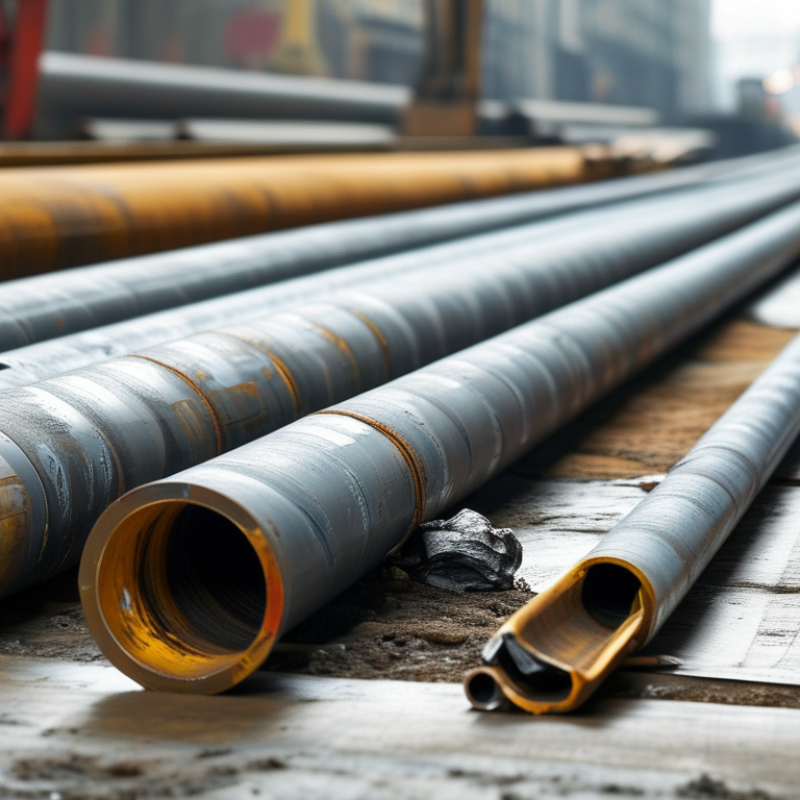
Choosing the right steel pipe requires a solid understanding of its various types and applications. Steel pipes are commonly classified into several categories, including seamless, welded, and structural pipes. Each type serves distinct purposes based on strength, pressure ratings, and usage environments. For instance, seamless pipes often excel in high-pressure applications due to their lack of weld seams, which can be weak points. Meanwhile, welded pipes are typically more cost-effective and ideal for low-pressure applications.
The American Institute of Steel Construction (AISC) reports that structural steel pipes are widely used in construction projects. They provide durability and support for beams or columns. The versatility of steel pipes allows for their use in water, gas, and oil transport. However, choosing the unsuitable type for your project could lead to failures, potentially costing time and money. Industry data from the Steel Tube Institute indicates that an improper selection can increase maintenance costs by up to 30%.
While most steel pipes offer reliable performance, various factors can complicate selections. Environmental conditions, such as temperature fluctuations and corrosion potential, must be considered. Some steel pipes may require additional coatings to prolong their lifespan. Ignoring these factors might lead to unexpected challenges during installation or operation, demanding careful evaluation in the selection process.
| Pipe Type | Material | Applications | Diameter Range (inches) | Pressure Rating |
|---|---|---|---|---|
| Black Steel Pipe | Carbon Steel | Natural Gas, Water Supply | 1/2 - 24 | 300 PSI |
| Galvanized Steel Pipe | Carbon Steel with Zinc Coating | Plumbing, Outdoor | 1/2 - 6 | 150 PSI |
| Stainless Steel Pipe | Stainless Steel | Food Processing, Chemical Transport | 1/4 - 12 | 1200 PSI |
| PVC Pipe | Polyvinyl Chloride | Irrigation, Drainage | 1/2 - 20 | 40 PSI |
: Focus on diameter, thickness, and material for optimal performance and durability.
Diameter impacts flow capacity. Bigger diameters handle more volume but can increase costs and weight.
Thickness determines strength and pressure resistance. Thicker pipes endure more stress but may be heavier.
Common materials include carbon steel, which is strong but rusts, and stainless steel, which resists corrosion.
Research companies, read reviews, and ask for references. Experience and transparency are key factors.
Confirm all details before placing an order. Create a checklist to ensure you have accurate information.
Yes, comparing prices helps ensure you get the best value for your project needs.
Consider how the environment affects material longevity and the maintenance required for different types of steel.
Yes, incorrect sizes or materials can lead to significant delays. Always double-check your order details.
Yes, each application has unique needs that determine the appropriate type of steel pipe to use.
Choosing the right steel pipe for a project is crucial for ensuring structural integrity and compliance with application requirements. This guide outlines the various types of steel pipes available and their specific applications, allowing you to understand which options best suit your needs. Key factors to consider include the steel pipe's diameter, thickness, and material, as these specifications directly impact performance and durability.
Additionally, evaluating environmental factors such as temperature, corrosion potential, and exposure to chemicals is essential in determining the longevity and reliability of the steel pipes. To facilitate a successful procurement process, the guide also offers practical tips for sourcing and purchasing steel pipes, ensuring that you make informed decisions that align with your project’s specifications and requirements. By following these guidelines, you will be well-equipped to choose the right steel pipe for your project confidently.

 Flowtera Pipe