How to Determine the Lifespan of Steel Pipes?

Time:2026-05-13 Author:Sophia
0%

Determining the lifespan of steel pipes is critical in various industries. A recent industry report indicates that the average lifespan ranges from 50 to 100 years, depending on environmental conditions and maintenance routines. “What is the lifespan of steel pipes?” is a question that experts often encounter. According to Dr. Lisa M. Anderson, a materials science expert, “The lifespan of steel pipes greatly depends on their application and care.”

Environmental factors, such as soil conditions and temperature fluctuations, significantly impact the durability of steel pipes. Corrosion is a major concern. Steel pipes used in corrosive environments may face a reduced lifespan. Regular inspections and maintenance can help mitigate these risks. As noted in data from the American Society of Civil Engineers, neglecting these factors can lead to premature failures.

Understanding the factors affecting steel pipe longevity is essential for industry professionals. However, estimating exact lifespans often requires deeper investigation. While guidelines exist, variations based on specific situations abound. This complexity can create confusion, making expert consultation crucial for accurate assessments.
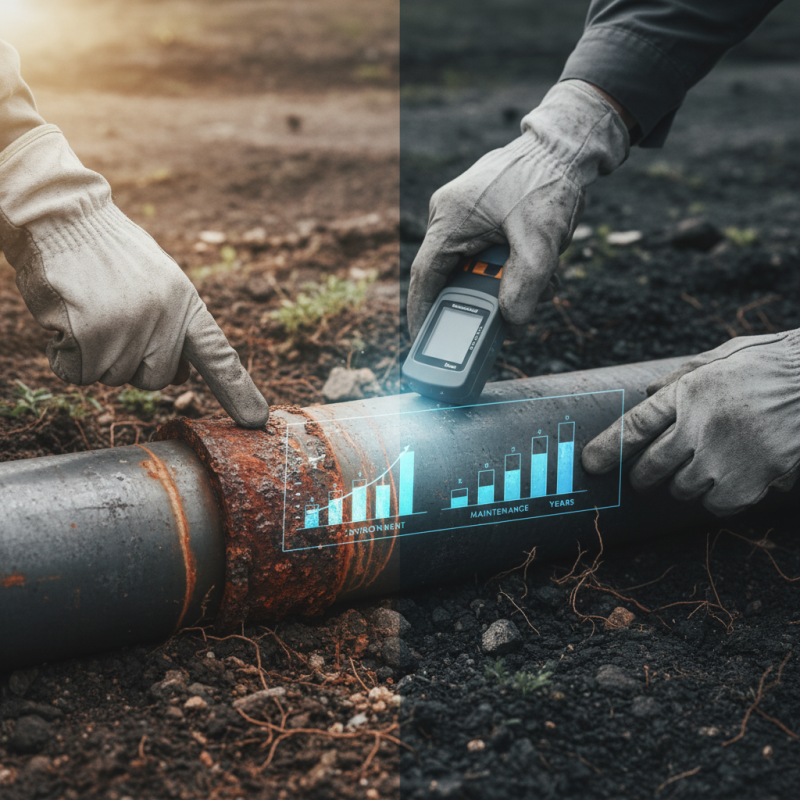
How to Determine the Lifespan of Steel Pipes?

Factors Influencing the Lifespan of Steel Pipes

The lifespan of steel pipes is influenced by several key factors. Corrosion is a major concern. It can lead to material degradation over time. Environmental conditions, such as humidity and temperature fluctuations, also play a crucial role. Areas with high moisture levels increase corrosion rates. This requires regular inspections to monitor the pipes' integrity.

Another factor is the quality of the steel itself. Higher-grade steel typically exhibits better durability. However, not all projects prioritize quality. Cost constraints may lead to the selection of lower-grade materials. Improper installation can exacerbate issues. Misalignment or inadequate support structures may cause stress and premature failure.

Pressure and flow rates impact steel pipe longevity as well. Excessive pressure can weaken the pipe structure. Variations in flow can lead to turbulence, contributing to wear. Additionally, the presence of chemicals in the transported substances can affect steel quality. Regular maintenance and proactive measures can mitigate these risks but require commitment and investment. Balancing budget with quality and maintenance is complex yet essential for optimal performance.

Factors Influencing the Lifespan of Steel Pipes

Common Types of Steel Pipes and Their Durability

When discussing steel pipes, understanding their types and durability is crucial. Common types include carbon steel, stainless steel, and galvanized steel. Each type has its unique properties and lifespan concerns. Carbon steel pipes, used often in construction, are strong yet susceptible to rust. They usually last 20 to 30 years with proper maintenance. On the other hand, stainless steel pipes resist corrosion. Their typical lifespan can exceed 50 years, especially in less harsh environments.

Galvanized steel pipes are coated to prevent rust. They generally last around 20 years. However, over time, the zinc coating can wear off. This can lead to deterioration and leakage. Therefore, regular checks are necessary to ensure their integrity.

Tips: Always assess the installation environment before choosing pipe materials. Harsh conditions can shorten lifespans. Consider consulting with a pipe specialist to enhance your selection. Look into proper coatings and treatments that can extend the durability of your steel pipes.

Methods for Assessing Steel Pipe Condition

Assessing the condition of steel pipes is crucial for predicting their lifespan. Regular inspections can reveal signs of wear and corrosion. Visual inspections are simple yet effective. Look for rust, dents, or cracks. These are clear indicators of potential problems. Employing sensors can provide real-time data on pipe integrity. Technologies such as ultrasonic testing can detect wall thickness and internal flaws.

Tips: Regularly check for leaks. Early detection can save costs. Use protective coatings to enhance durability.

Another method is pressure testing. It assesses the pipe’s ability to handle internal pressures. A drop in pressure may indicate a leak. Consider using advanced imaging techniques like infrared thermography. This method detects temperature variations, highlighting issues not visible to the naked eye. Be aware that environmental factors can affect pipe lifespan.

Tips: Document inspections and tests. This creates a reliable record. Maintain a schedule for regular assessments to ensure ongoing safety.

Maintenance Practices to Extend Steel Pipe Lifespan

Steel pipes are vital in various industries, from construction to oil and gas. To extend their lifespan, maintenance practices play a crucial role. Regular inspections can detect early signs of wear or damage. According to a report from the National Association of Corrosion Engineers, 20% of pipe failures are due to corrosion. This emphasizes the need for coating and cathodic protection methods.

Implementing a routine cleaning schedule can significantly reduce the accumulation of debris. This buildup can lead to internal rusting, impacting flow and integrity. The American Water Works Association states that routine maintenance can extend the lifespan of steel pipes by up to 30%. It's critical to assess pipe conditions and adapt maintenance strategies accordingly.

Some maintenance practices may not yield immediate results. Inconsistent application of protective coatings can lead to gaps in protection. This inconsistency could reduce the overall effectiveness of maintenance. Furthermore, not all pipes need the same level of care; environmental factors play a key role. An understanding of these variables can enhance maintenance planning and execution.

Testing Techniques for Lifespan Determination of Steel Pipes

When assessing the lifespan of steel pipes, various testing techniques play a critical role. One common method is the use of non-destructive testing (NDT). Techniques like ultrasonic testing or magnetic particle inspection can reveal internal flaws without damaging the pipes. These methods provide a clear view of integrity and help predict potential failures.

Additionally, regular visual inspections are vital. Inspectors check for rust, corrosion, and signs of wear. Visual checks may seem simple, but they can uncover significant issues. However, they require experienced personnel who can make accurate judgments. Data from past performance should also guide assessment decisions. Historical data yields insights into how similar pipes have aged.

Chemical analysis tests can also be informative. Assessing the material's composition reveals susceptibility to corrosion. This approach often uncovers unexpected vulnerabilities. There are limitations to these tests, as environmental factors heavily influence outcomes. Each testing technique presents strengths and weaknesses—striking a balance is essential for effectiveness. Reflecting on the testing process can lead to improved methodologies, enhancing overall reliability.

FAQS

: What is a major concern affecting the lifespan of steel pipes?

: Corrosion is a significant concern that leads to material degradation over time.

How do environmental conditions influence steel pipes?

Humidity and temperature fluctuations can greatly affect the integrity of steel pipes.

What happens in areas with high moisture levels?

The corrosion rates increase, which requires more frequent inspections.

How does the quality of steel impact its durability?

Higher-grade steel tends to be more durable, but cost constraints may lead to lower quality selections.

How can improper installation affect steel pipes?

Misalignment or inadequate support can cause stress and premature failure of the pipes.

What impact do pressure and flow rates have on steel pipe longevity?

Excessive pressure can weaken the pipe, while flow variations may lead to turbulence that causes wear.

What role do chemicals play in the lifespan of steel pipes?

Chemicals in transported substances can degrade steel quality, affecting overall performance.

How can maintenance practices extend the lifespan of steel pipes?

Regular inspections and cleaning can detect early wear and reduce debris buildup that leads to rusting.

Why is routine maintenance important for steel pipes?

It can potentially extend the lifespan of pipes by up to 30%, but requires commitment and proper strategy.

What are some challenges in applying maintenance practices effectively?

Inconsistent application of protective coatings may create gaps in protection, reducing effectiveness.

Conclusion

The lifespan of steel pipes can vary significantly based on several factors, including environmental conditions, type of steel used, and the specific application they are designed for. Common types of steel pipes, such as carbon steel and stainless steel, exhibit different durability levels, making it crucial to understand which type is best suited for a given environment. To accurately assess the lifespan of steel pipes, various methods can be implemented, including visual inspections and more advanced testing techniques.

Regular maintenance practices play a vital role in extending the longevity of steel pipes, ensuring they remain in optimal condition over time. By adopting effective maintenance strategies and employing appropriate testing techniques, stakeholders can determine what the lifespan of steel pipes is likely to be, enabling better planning and resource management in infrastructure projects.

Sophia

Sophia

Sophia is a dedicated marketing professional with an exceptional depth of knowledge about her company's products and services. With a keen understanding of market trends and customer needs, she crafts insightful blog posts that not only inform but also engage readers, enriching the company’s online......