When discussing materials for harsh environments, the distinction between duplex and super duplex steel is crucial. According to a recent report by the World Stainless Steel Association, the global demand for these stainless steels is increasing due to their superior corrosion resistance and strength. Industry expert Dr. Sara Thompson states, "Understanding what is the difference between duplex and super duplex steel can significantly impact material selection and project longevity."
Duplex steel, generally containing about 22% chromium, offers good corrosion resistance and has a balanced microstructure. In contrast, super duplex steel, with over 25% chromium, enhances these properties, ensuring better resistance to pitting and crevice corrosion. This makes super duplex a preferred choice in oil and gas exploration.
However, the distinction can often be overlooked, leading to potential failures. A miscalculation in these materials can result in high costs and safety hazards. The choice of steel impacts not just project outcomes but also overall resource efficiency. The exploration of what is the difference between duplex and super duplex steel is necessary for better knowledge and informed decisions. Balancing quality and cost while making these choices remains a challenge for engineers.
What is Duplex Steel and Its Key Characteristics?
Duplex steel is a type of stainless steel that combines austenitic and ferritic structures. This unique combination offers superior strength and corrosion resistance. The typical composition includes about 22% chromium and 5% nickel. These elements enhance durability, making duplex steel ideal for various applications. It's particularly favored in the oil and gas industries, where exposure to harsh environments is common.
Key characteristics of duplex steel include high resistance to pitting and stress corrosion cracking. This makes it suitable for marine environments and chemical processing. Its strength allows for thinner sections, reducing weight without sacrificing performance. However, the welding process can be challenging. Achieving the right balance of heat and technique is crucial. Improper welding can lead to issues in the microstructure, affecting long-term reliability.
In addition, duplex steel is recyclable, aligning with sustainability goals. Despite these advantages, users must consider material costs versus performance benefits. Not every situation will justify the investment, especially for less demanding applications. The choice between duplex and other materials should involve careful evaluation of specific needs and conditions. Understanding these factors can lead to better decision-making in material selection.
Understanding Super Duplex Steel and Its Unique Features
Super duplex steel is a remarkable material known for its unique features.
It typically contains more than 25% chromium and about 7% nickel.
This composition gives it exceptional corrosion resistance.
Super duplex steel excels in harsh environments, making it ideal for oil and gas applications.
Its strength is another notable property. It offers high tensile strength, which is vital for demanding engineering projects.
The microstructure of super duplex steel is a combination of austenitic and ferritic phases. This balance enhances its overall performance.
However, working with super duplex material can be challenging. It requires careful welding techniques to maintain its integrity.
If not done correctly, brittleness may occur, leading to material failure.
Understanding its unique features and limitations is crucial. Engineers must consider the specific application needs when choosing super duplex steel.
This ensures optimal performance while minimizing risks. In many cases, thorough testing and analysis are essential to confirm material suitability.
It is a high-performance choice, but not all projects will benefit from it.
Comparative Analysis of Duplex and Super Duplex Steel Composition
Duplex and super duplex steels are both alloyed materials, known for their strength and corrosion resistance. Their composition differs significantly. Duplex steel typically contains about 22% chromium and 5% nickel. Super duplex steel, on the other hand, has a higher chromium content, often around 25%, and a nickel range of 7% to 9%. This variation enhances its corrosion resistance in aggressive environments, such as those found in oil and gas industries.
According to a report by the International Stainless Steel Forum, the mechanical properties of super duplex steel are also superior. It exhibits yield strengths between 550 and 720 MPa. Duplex steels usually range from 450 to 600 MPa. This difference means that super duplex steel can endure harsher conditions without deformation.
Impurities can affect both steel types. While duplex steels offer good resistance to chloride stress corrosion cracking, super duplex steels excel in these scenarios. Nevertheless, the complexity of production and the cost of raw materials can impact decisions. Industries must weigh these factors against immediate needs for cost-efficiency versus long-term durability.
Applications of Duplex and Super Duplex Steel in Various Industries
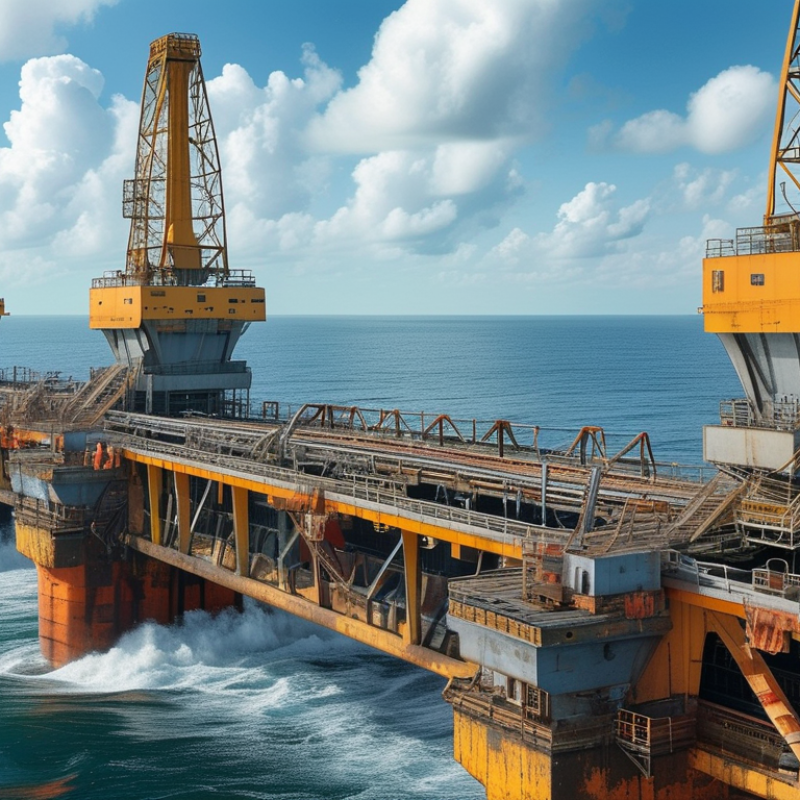
Duplex and super duplex steel are increasingly popular in various industries due to their excellent mechanical properties and high resistance to corrosion. In the oil and gas sector, these materials are vital for offshore platforms and pipelines. They withstand harsh environments while maintaining structural integrity. Components like valves and pumps benefit from their durability, ensuring operational safety.
In the chemical processing industry, duplex steel is used in reactors and heat exchangers. Its ability to resist stress corrosion cracking extends equipment life significantly. However, it is essential to assess each application’s specific needs, as improper selection can lead to failures. Super duplex steel offers even greater resistance, making it ideal for high-pressure environments.
Tips: Always consider the environment where the steel will be used. Conducting thorough testing can prevent costly failures. Consult with experts to ensure that material choices align with operational demands. Balancing performance and cost is crucial—sometimes, super duplex steel may be more than what is needed, leading to unnecessary expenses.
Difference Between Duplex and Super Duplex Steel Explained - Applications of Duplex and Super Duplex Steel in Various Industries
| Property |
Duplex Steel |
Super Duplex Steel |
| Corrosion Resistance |
Moderate to High |
Very High |
| Tensile Strength (MPa) |
450-650 |
600-800 |
| Typical Uses |
Oil and Gas, Chemical Processing |
Marine, Desalination Plants |
| Cost |
Lower |
Higher |
| Heat Resistance |
Good |
Excellent |
| Weldability |
Good |
Moderate |
Performance Considerations: Corrosion Resistance and Strength Comparison
Duplex and super duplex steels are vital materials in construction and manufacturing. Understanding their corrosion resistance and strength is essential for selecting the right material. Duplex steel offers a balanced composition, typically comprising 22% chromium and 5% nickel. This composition grants it a good level of corrosion resistance, making it suitable for various environments.
On the other hand, super duplex steel has even higher chromium content, around 25%, and additional molybdenum. This makes it exceptionally resistant to stress corrosion cracking. Super duplex steel is often used in harsher environments, such as oil and gas industries. Higher strength levels make it a preferred choice where durability is non-negotiable.
When selecting between these steels, here are some tips to consider: evaluate the specific environmental conditions your project will face. Analyze the mechanical demands of your application. Both types have their place, but knowing the details will lead to a wiser choice. Remember, sometimes the right option may not be the most expensive one. Material performance can vary based on the application, and a thorough understanding can prevent costly mistakes.
FAQS
: Super duplex steel is a unique material with over 25% chromium and about 7% nickel, known for corrosion resistance.
Its exceptional corrosion resistance and high tensile strength make it ideal for demanding conditions in various industries.
Careful welding techniques are necessary to maintain its integrity. Incorrect handling may lead to brittleness and failure.
Duplex steel is widely used in the oil and gas sector, as well as in chemical processing for reactors and heat exchangers.
Super duplex steel has higher chromium content, offering increased resistance to stress corrosion cracking and superior strength.
Evaluate the specific environmental conditions and mechanical demands of the project to ensure the right material choice.
Yes, choosing the wrong material for an application may result in failures, emphasizing the need for thorough testing.
Not necessarily. Sometimes, it may be more than needed, leading to unnecessary costs. Assess the requirements carefully.
Conducting thorough testing helps confirm material suitability and can prevent costly failures in demanding applications.
Understanding its features and limitations, along with consulting experts, can help align choices with operational demands.
Conclusion
Duplex steel is a type of stainless steel that offers a balanced combination of austenitic and ferritic microstructures, giving it excellent corrosion resistance and high strength. Its key characteristics include good weldability and resistance to stress corrosion cracking. On the other hand, super duplex steel is an advanced form that incorporates higher levels of alloying elements, which enhances its strength and corrosion resistance, particularly in aggressive environments.
When discussing what is the difference between duplex and super duplex steel, one must consider the composition analysis and unique features of each type. While both types are used extensively in various industries, including oil and gas, chemical processing, and marine applications, super duplex steel is typically preferred for its superior performance in harsh environments. Understanding these distinctions is crucial for selecting the appropriate material for specific applications, ensuring reliability and longevity in demanding conditions.

 Flowtera Pipe