Enhancing pipe system efficiency is crucial for global buyers in today's competitive market. Efficient pipe systems reduce costs and minimize waste, making them a strategic asset. Understanding how to improve pipe system efficiency is essential for optimizing supply chains and ensuring sustainable operations.
Many industries rely heavily on pipe systems, from manufacturing to oil and gas. Yet, numerous challenges remain. Aging infrastructure, fluctuating demand, and technological advancements can complicate system performance. Buyers must be proactive in identifying inefficiencies and exploring solutions. This involves collaborating with experts and investing in modern technologies.
Reflecting on past experiences can lead to valuable insights. Some companies neglect routine maintenance, resulting in costly downtime. Others overlook the importance of data analysis. As global buyers, it is vital to continuously assess and refine pipe systems. This approach not only enhances efficiency but also contributes to long-term sustainability.
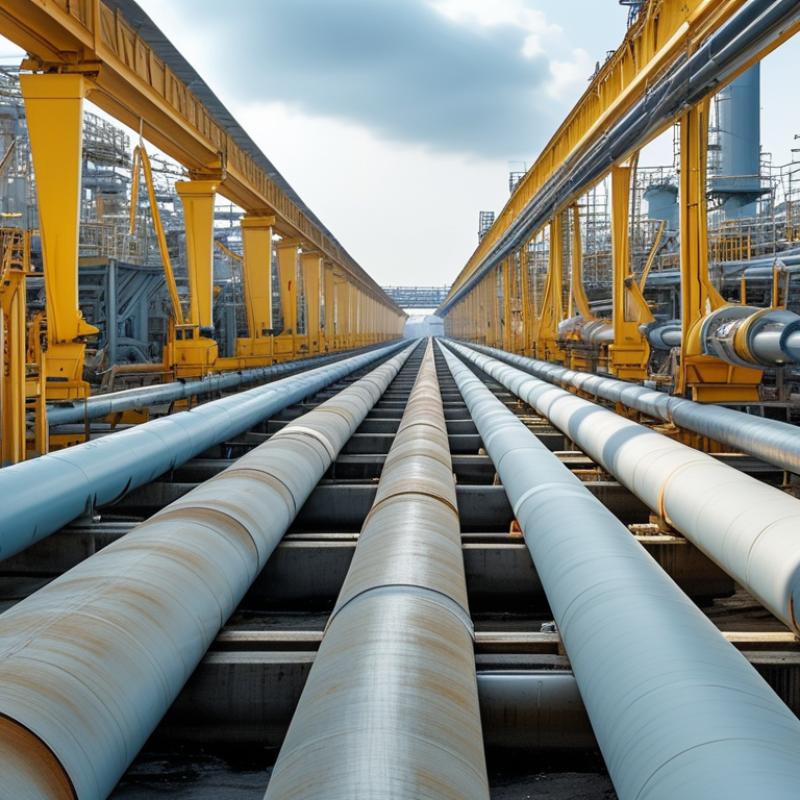
Pipe system efficiency is critical in the global marketplace. It affects many industries, from manufacturing to energy. Efficient systems reduce waste, save costs, and enhance productivity. A well-functioning pipe system ensures reliable transportation of fluids, which is vital for operations. Investing in the right materials can increase durability and performance.
Every component plays a role in overall efficiency. Small leaks can lead to significant losses. Regular maintenance is necessary to identify such issues. Implementing advanced monitoring can provide real-time insights. This technology helps in making informed decisions based on data analysis.
Global buyers must consider efficiency in procurement decisions. Sustainable practices are increasingly important. Companies are turning to eco-friendly materials. The demand for efficiency drives innovation. There are always areas for improvement. Reflecting on existing systems could reveal hidden inefficiencies. Continuous evaluation fosters resilience in the ever-changing global market.
Pipe systems are essential for many industries, yet their efficiency often falls short. Several key factors affect their performance significantly.
Material choice stands out. Pipes made from different materials can yield varying durability and flow characteristics. For example, corrosion-resistant materials are vital in harsh environments. Ignoring this can lead to costly failures and downtime.
Flow rate and pressure drops are crucial metrics. An optimized design ensures minimal resistance. However, many systems suffer from poor layout and unnecessary bends. This inefficiency can lead to increased energy costs and maintenance needs. Regular assessments can highlight these issues, prompting necessary adjustments.
Temperature variations also impact pipe systems. They affect both the materials and the flow within the pipes. In extreme cases, thermal expansion can cause fractures. Monitoring temperature is often overlooked. Addressing these details can lead to notable improvements in overall efficiency. A focus on these key factors is essential for any operation relying on pipe systems.
The optimization of pipe systems is crucial for enhancing overall efficiency. Implementing advanced technologies can significantly reduce energy consumption and improve flow dynamics. According to industry reports, modern pipe systems utilizing smart sensors can boost efficiency by up to 30%. These sensors provide real-time data, allowing for precise control of pressure and flow rates.
Additionally, integrating predictive maintenance technologies can minimize downtime. A report by the International Journal of Heat and Mass Transfer states that predictive maintenance can lower failure rates by 20-25%. Using data analytics helps identify potential failures before they occur. This proactive approach not only saves costs but also extends the lifespan of the piping systems.
Tips:
1. Regularly update your monitoring systems to incorporate the latest technologies.
2. Consider retrofitting existing systems with smart technology for immediate gains.
Investing in innovative solutions is essential, yet challenges remain. Transitioning to new technologies can be costly and require staff training. It’s important to weigh initial investments against long-term savings. As industries evolve, pipe system optimization will remain a vital area for growth.
Maintaining and inspecting pipe systems is crucial for operational efficiency. Regular checks prevent costly failures in the long run. Minor issues can escalate quickly if overlooked. Implementing basic practices can drastically improve system longevity.
Routine inspections can catch small leaks or corrosion. These problems often go unnoticed until they become significant. Use technology like drones and sensors for hard-to-reach areas. This method saves time and enhances safety. It also provides accurate data for better decision-making.
Tips: Always document inspection findings. This creates a reference for future maintenance. Engage trained professionals for complex assessments. Their expertise can identify risks early. Consider scheduling checks during off-peak hours to reduce disruption. Prioritize high-risk areas as part of your strategy.
Investing time in maintenance leads to a more efficient pipe system. Continuous improvement is essential. Reflect on current practices and be open to change. Regular evaluation can highlight what works and what doesn’t. Aim for a proactive maintenance approach to avoid unnecessary improvements later.
Collaborating with suppliers can significantly enhance the efficiency of pipe systems in various industries. Strong partnerships lead to shared insights and innovative solutions. Engaging regularly with suppliers helps identify areas for improvement. Open communication fosters a deeper understanding of product capabilities and limitations.
Tips: Evaluate supplier performance yearly. Look for efficiency metrics and feedback from your team. Frequent evaluations can uncover hidden issues.
When working closely with suppliers, consider co-developing new products. Discuss the unique challenges your business faces. This will enable suppliers to tailor their solutions to meet specific needs. Joint problem-solving encourages creativity and innovation.
Tips: Hold brainstorming sessions with suppliers. Encourage idea-sharing in a relaxed atmosphere. This can lead to unexpected breakthroughs.
Building relationships with suppliers also aids in inventory management. Reliable suppliers can provide timely updates on stock levels. This helps avoid delays in your projects. Collaboration can lead to better forecasting and planning.
| Dimension | Description | Value | Supplier Input |
|---|---|---|---|
| Material Quality | The grade of the pipe materials used | High Carbon Steel | Supplier A confirms compliance with standards |
| Diameter | Internal diameter of the pipe | 50 mm | Supplier B recommends for better flow |
| Pressure Rating | Maximum pressure the pipe can handle | 150 psi | Supplier C suggests upgrades for higher efficiency |
| Connection Type | Type of connection used for fitting | Welded | Supplier D offers best practices for installation |
| Compliance | Standards met by the materials | ISO 9001 | Supplier E provides certifications |
: Optimizing pipe systems enhances efficiency and reduces energy consumption. It improves flow dynamics significantly.
Smart sensors provide real-time data, allowing precise control over pressure and flow rates. Efficiency can increase by up to 30%.
Predictive maintenance identifies potential failures before they happen. It can lower failure rates by 20-25%.
Regular inspections prevent costly failures and catch minor issues before they escalate. Small leaks can lead to bigger problems.
Drones and sensors can inspect hard-to-reach areas. This method saves time and enhances safety during inspections.
Supplier performance should be evaluated yearly. Regular assessments can uncover hidden issues and improve collaboration.
Documenting inspection findings creates a reference for future maintenance, helping track changes over time.
Strong partnerships with suppliers can lead to shared insights and tailored solutions for specific challenges.
A proactive approach focuses on continuous improvement and regular evaluation to prevent future issues.
Training helps staff adapt to new systems effectively, ensuring optimal use of advanced technologies for better performance.
To enhance pipe system efficiency for global buyers, it is crucial to understand its significance in optimizing operations and reducing costs. Key factors affecting pipe performance include material selection, design specifications, and environmental conditions. By implementing advanced technologies—such as smart monitoring systems and predictive maintenance tools—companies can effectively improve pipe system efficiency.
Additionally, best practices for maintenance and inspection play a vital role in ensuring longevity and performance. Regular assessments and timely interventions can prevent major failures and inefficiencies. Collaboration with suppliers is also essential, as it enables the development of tailored solutions that address specific challenges. Ultimately, knowing how to improve pipe system efficiency involves a comprehensive approach that blends technology, maintenance strategies, and strong partnerships.

Flowtera Pipe