How to Ensure Pipe Safety in High Pressure Systems?

Time:2026-11-21 Author:Aria
0%

How to ensure pipe safety in high pressure systems begins with one discipline: treating every component as part of a connected pressure boundary. A pipe may look sound while a worn gasket, corroded elbow, or loose support quietly raises the risk. Safety depends on suitable materials, sound design, careful installation, and inspection during operation. Small details matter.

Piping engineer and author Roy A. Parisher has written on piping and pipeline engineering. No verified quotation from him was provided for this introduction, so the following line is an editorial summary, not his verbatim words: “Pressure safety depends on the whole system, not one strong pipe.” That distinction matters. Reliable technical writing should not put invented words in an expert’s mouth.

In practice, teams should confirm design conditions, check material traceability, and inspect welds and supports against applicable codes and site procedures. They should also watch for vibration, leaks, temperature changes, and pressure fluctuations. A gauge that drifts or a clamp that shifts deserves attention. Keep records. Review them.

No checklist catches everything. Inspection intervals, operating history, and maintenance quality can vary between facilities, so generic advice cannot replace a qualified engineering assessment. A careful review may still miss an early warning sign. That is worth remembering when planning how to ensure pipe safety in high pressure systems: safe operation is ongoing work, not a one-time sign-off.
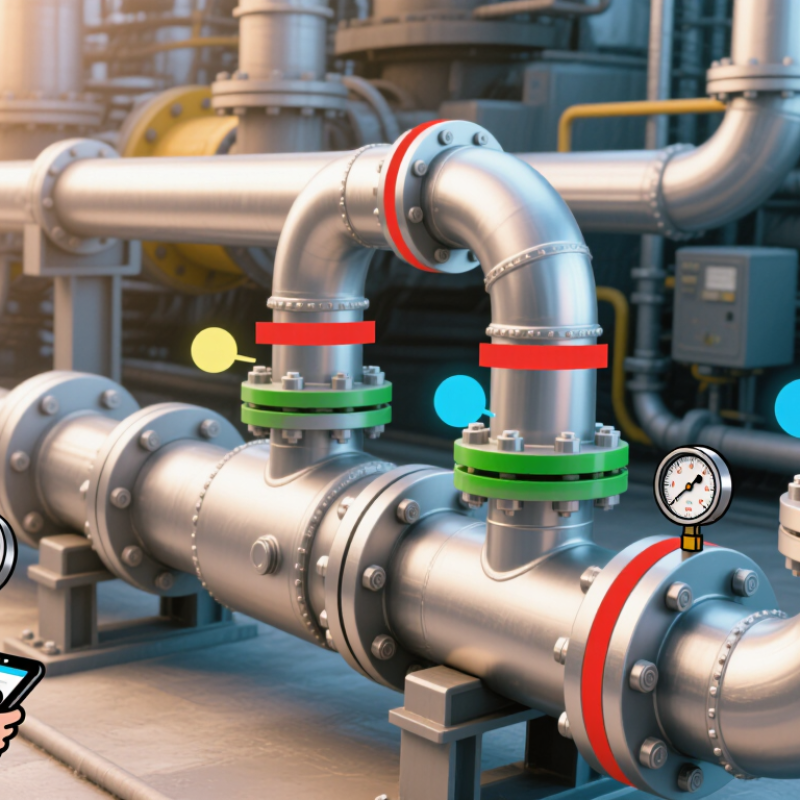
How to Ensure Pipe Safety in High Pressure Systems?

Identify Pressure Hazards and System Requirements

High-pressure pipe safety starts with understanding the actual operating conditions, not just the design pressure printed on a drawing. Record normal and peak pressure, temperature range, flow rate, and the fluid being carried. Pressure surges during pump starts or sudden valve closure can exceed steady readings. Brief spikes matter. Check the pressure rating of every component, including fittings, valves, seals, instruments, and flexible connections; the weakest rating sets a practical limit.

Inspect the system’s condition and support requirements before operation. Corrosion, vibration, poor alignment, and unsupported spans can create local stress even when the overall pressure appears acceptable. Confirm material compatibility with the fluid and operating temperature, and verify that gauges and relief devices are suitable and maintained. A pressure figure can look reassuring while leaving out transient loads. That gap deserves a second look. Where calculations or limits are unclear, have a qualified engineer review the system against applicable technical requirements.

Tips: Keep a simple record of pressure and temperature readings. Check for leaks, unusual vibration, or changing gauge behavior. Never tighten a pressurized connection. Isolate and depressurize the section before inspection, following the site’s approved procedure.

Select Suitable Pipe Materials and Components

High-pressure pipe safety starts with matching the material to the actual service, not just the design pressure. Check operating and upset temperatures, fluid chemistry, pressure cycles, and external exposure. A pipe handling hot, chloride-rich water may face corrosion and stress-corrosion cracking. A material suitable on paper may still fail at a weld or threaded connection. Small details matter.

The 2016 NACE International IMPACT study estimated global corrosion costs at US$2.5 trillion annually, or 3.4% of global GDP. It also estimated that applying corrosion-control practices could save 15–35% of those costs.

These figures make material selection more than a purchasing decision. Specify corrosion allowance where justified, verify compatibility with the process fluid, and consider how the material can be welded, inspected, and repaired. Confirm pipe, valves, flanges, gaskets, and bolting meet the required pressure and temperature ratings together. A single lower-rated component can constrain the whole assembly.

Use applicable engineering codes, such as ASME B31.3 for process piping, alongside documented design calculations and qualified inspection procedures. Check certificates, heat numbers, and dimensions before installation; traceability can reveal a material mix-up before pressure testing.

Still, paperwork cannot show every site condition. Revisit assumptions when operating temperatures or chemicals change, and inspect vulnerable bends, supports, and welds. I would not treat a material table as the final answer; field history sometimes exposes what the original specification missed.

Install Pipes and Verify System Integrity

Pipe safety begins with installing the right pipe for the pressure, temperature, and fluid. Verify material certificates, wall thickness, pressure ratings, and joint procedures before assembly. Check that supports prevent sagging while allowing for thermal expansion. Keep pipe interiors clean; a forgotten cap or welding slag can obstruct flow. Small details matter. It is tempting to trust a tidy weld, but appearance alone cannot prove integrity.

After installation, inspect welds using methods suited to the service, then pressure-test the completed section under an approved procedure. ASME B31.3 generally specifies a hydrostatic test pressure of at least 1.5 times design pressure, subject to code adjustments and exceptions. Use calibrated gauges, raise pressure gradually, and keep personnel clear of joints during testing. The NTSB’s San Bruno pipeline accident report documented eight deaths, 58 injuries, and 38 homes destroyed after a 2010 rupture. That event involved a transmission pipeline, but its lesson applies broadly: records and verification matter. A checklist can still miss a weak assumption, so confirm test boundaries, isolation points, and acceptance criteria with the responsible engineer before pressurizing.

Monitor Operating Conditions and Control Risks

High-pressure pipe safety depends on knowing what the system is doing, not just what it was designed to do. Track pressure, temperature, flow, and vibration against approved operating limits. A sudden pressure rise or a new rattle near a support can signal a developing problem. Small changes matter. Confirm that gauges and transmitters are calibrated, and compare readings from independent instruments when practical. A tidy dashboard can still hide a faulty sensor, so question readings that do not fit operating conditions.

Tips: Record normal readings during steady operation, including the time and equipment state. Set clear alarm and response steps with qualified site personnel. Check relief devices, supports, and connections on a planned schedule. Document the reason for any operating-limit change.

Review trends after startup, maintenance, and process changes. A pipe that ran safely last month may face different temperatures or flow today. Investigate repeated alarms rather than simply resetting them. Look for leaks, corrosion, loose supports, and insulation damage during inspections, while following site procedures and keeping personnel clear of suspected hazards. Records are not perfect; shifts may miss details. Make gaps visible, verify critical entries, and update the monitoring plan when evidence points to a blind spot.

How to Ensure Pipe Safety in High Pressure Systems? - Monitor Operating Conditions and Control Risks

Safety Dimension What to Monitor Acceptance Basis Risk-Control Action Monitoring Approach
Operating pressure Line pressure, pressure trends, and alarm or trip events Stay within the approved operating envelope and never exceed the applicable maximum allowable pressure. Investigate abnormal trends; reduce load or shut down safely if pressure exceeds approved limits. Continuous instrumentation; verify alarms, trips, and instrument calibration according to the maintenance plan.
Pressure surges Transient pressure during pump starts, valve operation, and flow changes Transient pressures must remain within the piping system’s documented design limits. Use controlled valve sequencing, appropriate pump start-up procedures, and engineered surge protection where required. Review pressure trends and event records, especially after changes to equipment or operating procedures.
Temperature Fluid and pipe-wall temperatures; heating and cooling rates Remain within the design temperature limits for the piping, components, and connected equipment. Correct abnormal heating or cooling; account for thermal expansion and avoid unapproved rapid temperature changes. Use suitable temperature sensors and review readings during start-up, shutdown, and process changes.
Flow and process stability Flow rate, unexpected fluctuations, and changes in pump or compressor performance Operate within the validated process range and equipment operating limits. Check for blockage, leakage, incorrect valve position, or equipment malfunction before restoring normal operation. Trend flow data and compare it with pressure, temperature, and equipment indicators.
Pressure-relief protection Relief-device condition, set-pressure documentation, discharge path, and inspection status Verify the set pressure and capacity against the applicable design code and system documentation; the set pressure must not exceed the protected equipment’s allowable limit. Keep required devices available and discharge paths unobstructed; investigate overdue inspections or any signs of damage. Inspect and test at intervals established by applicable regulations, codes, and the site inspection plan.
Leak detection Visible seepage, abnormal pressure loss, gas-detector alarms, and fluid accumulation Any confirmed leak or credible leak alarm requires assessment under the site’s emergency and operating procedures. Isolate and depressurize the affected section as required; do not attempt to tighten or repair a pressurized connection. Use suitable fixed or portable detection equipment and routine visual checks appropriate to the hazard and site risk assessment.
Corrosion and wall thickness Wall-thickness measurements, corrosion locations, and calculated corrosion trends Measured thickness must remain at or above the documented required minimum for the service and design conditions. Assess thinning and damage; repair, replace, or reduce operating conditions before the required minimum is reached. Use qualified inspection methods and risk-based intervals; compare results at consistent locations where practical.
Vibration and pipe supports Unusual vibration, movement, support condition, and signs of fatigue or contact damage Vibration and movement should remain within applicable equipment limits and the established operating baseline. Investigate changes promptly; check supports, restraints, alignment, and connected machinery before continued operation where risk warrants. Combine operator observations with periodic condition checks or instrumentation for higher-risk locations.

Note: Numerical limits and inspection intervals are system-specific. Use the approved design documents, applicable codes and regulations, equipment instructions, and site risk assessment to set them.

Inspect, Maintain, and Address Emergencies

High-pressure pipe safety depends on routine inspection, sound maintenance, and calm emergency decisions. A small leak near a joint can become serious quickly. Check for corrosion, dents, unusual vibration, loose supports, and moisture around connections. Pay attention to changes in pressure readings; a sudden shift deserves investigation. Record findings with dates and locations, so gradual changes do not disappear from memory.

Maintenance should follow the system’s design limits and the equipment manufacturer’s instructions. Have qualified personnel assess defects and replace damaged parts with components rated for the service. Before any repair, the line must be isolated and depressurized using approved procedures. Never tighten a leaking connection while it is under pressure. A checklist helps, but it can still miss a change between inspections. Review it when operating conditions or equipment change.

Tips: Keep inspection records accessible. Mark recurring problem areas on a simple pipe layout. If a leak, loud hiss, or unexpected pressure drop occurs, keep people clear and alert the site emergency team. Isolate the system only if trained and safe to do so; do not approach a suspected rupture. Follow the site’s emergency plan, and wait for qualified responders before restarting the line.

How to Ensure Pipe Safety in High-Pressure Systems

Inspect regularly, maintain piping, and prepare for emergencies. The chart shows calculated hoop stress at different internal pressures for an example pipe with a 10-inch outside diameter and a 0.5-inch wall thickness.

Values are calculated using the thin-wall approximation: hoop stress = pressure × outside diameter ÷ (2 × wall thickness). This example is not a safety limit or a substitute for applicable codes, material properties, inspection, or engineering review.

FAQS

How should pipe material be selected for high-pressure service?

Match it to pressure, temperature, fluid chemistry, pressure cycles, and outdoor exposure. Hot, chloride-rich water may increase corrosion risks. A material chart is only a starting point.

Why check the ratings of every component?

Pipes, valves, flanges, gaskets, and bolts must suit the same service conditions. One lower-rated part can limit the whole assembly. Easy to overlook.

Which records should be checked before installation?

Review material certificates, heat numbers, dimensions, wall thickness, and pressure ratings. These records may reveal a material mix-up before testing. Paperwork cannot show every site condition.

What installation details help protect pipe integrity?

Supports should prevent sagging while allowing for thermal expansion. Keep interiors clean; a forgotten cap or welding slag can obstruct flow. Small details matter.

Does a neat-looking weld prove it is sound?

No. Use inspection methods suited to the service and follow qualified procedures. Appearance alone cannot confirm internal integrity.

How should a completed pipe section be pressure-tested?

Follow an approved procedure, use calibrated gauges, and raise pressure gradually. Keep personnel clear of joints. Test pressure depends on applicable adjustments and exceptions.

Is hydrostatic test pressure always 1.5 times design pressure?

Not always. Applicable process-piping rules generally specify at least 1.5 times design pressure, subject to adjustments and exceptions. Confirm requirements with the responsible engineer.

What should be confirmed before pressurizing a test section?

Check test boundaries, isolation points, and acceptance criteria. Inspect vulnerable bends, supports, and welds. A checklist can still miss a weak assumption.

Conclusion

How to ensure pipe safety in high pressure systems begins with identifying pressure-related hazards and understanding the system’s operating requirements. Consider maximum and fluctuating pressures, temperature changes, vibration, corrosive substances, and the consequences of a leak or failure. Choose pipe materials, fittings, seals, and valves that are compatible with the system and rated for its intended conditions. Proper sizing and component compatibility help reduce stress and prevent weak points.

Install pipes according to a documented plan, support them securely, and verify connections and system integrity before operation. During use, monitor pressure, temperature, flow, and signs of abnormal vibration or leakage, using suitable controls to keep conditions within safe limits. Regular inspections and preventive maintenance can reveal wear, corrosion, or damage before they lead to failure. Establish clear procedures for isolating the system, relieving pressure safely, and responding to emergencies, and ensure that personnel understand their roles.

Aria

Aria

Aria is a dedicated marketing professional with a deep passion for innovative strategies and a keen understanding of our company's product offerings. With a wealth of experience in the industry, Aria excels at crafting engaging content that highlights the unique features and benefits of our......