What Factors Impact the Durability of Steel Pipes?

Time:2026-05-09 Author:Aria
0%

When considering the longevity of steel pipes, multiple elements play crucial roles. Understanding what factors affect steel pipe durability is essential for industries that rely on these structures. Over time, various influences can compromise their integrity. External environmental conditions, such as temperature fluctuations and moisture levels, significantly impact durability.

The quality of the steel itself must be examined as well. Different compositions and manufacturing processes affect resilience. Corrosion resistance is particularly important in environments prone to rust. Additionally, mechanical stress and pressure exerted during installation or operation can lead to premature failure.

Regular inspections can help identify weaknesses. However, many overlook this crucial step. Ignoring early signs of wear can result in costly repairs later. In addition, understanding best practices for maintenance is often underestimated. Awareness and knowledge of these diverse factors can enhance the lifespan of steel pipes.
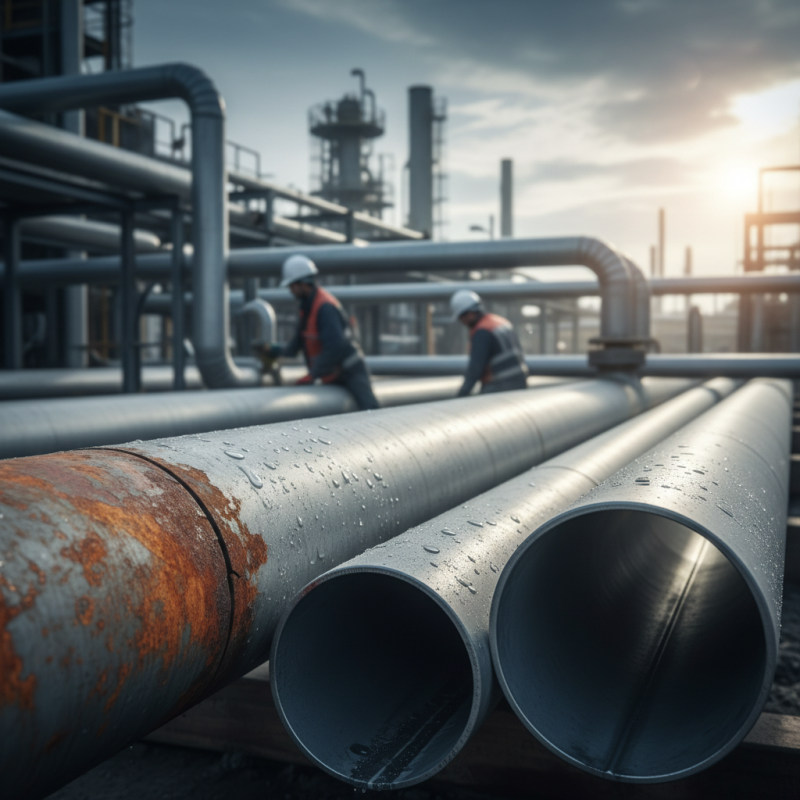
What Factors Impact the Durability of Steel Pipes?

Factors Influencing Material Composition of Steel Pipes

The material composition of steel pipes plays a crucial role in determining their overall durability. Various elements, such as carbon, manganese, and chromium, significantly influence the mechanical properties of the steel. Carbon content affects the hardness and strength. Higher carbon levels generally mean stronger pipes but may reduce ductility. Manganese improves toughness, which is vital for performance under stress.

Corrosion resistance also hinges on the alloying elements used in steel pipes. For instance, chromium is a key component of stainless steel, providing excellent resistance to rust. This characteristic is essential for pipes used in water transportation. A balanced composition is necessary; too much of a particular element can lead to brittleness or other issues.

Moreover, the manufacturing process can alter the effectiveness of the material composition. Heat treatment and welding methods impact the microstructure and, consequently, the long-term performance of the pipes. If not controlled properly, these processes may introduce weaknesses. Hence, it's essential to evaluate both the composition and the methods used in creating steel pipes to ensure reliability.

Environmental Conditions Affecting Steel Pipe Longevity

Environmental conditions play a crucial role in the longevity of steel pipes. Exposure to moisture, temperature changes, and pollutants can significantly affect their durability. High humidity and frequent rainfall can promote corrosion, weakening the pipe over time. In arid regions, extreme heat can lead to thermal expansion, resulting in structural stress.

Tips: Regular inspections can help catch early signs of wear. Pay attention to areas prone to moisture accumulation. Use protective coatings to shield pipes from environmental factors.

Pollution is another factor that shouldn’t be overlooked. Chemicals in industrial runoff can accelerate corrosion. Areas near factories or roads are often at higher risk. Additionally, soil composition can impact pipe longevity. Certain soils, such as acidic or salty types, can be particularly harmful.

Tips: Consider the soil's pH level before installation. Implement monitoring systems to detect changes in environmental conditions. Always evaluate the surrounding environment when planning your pipeline project.

What Factors Impact the Durability of Steel Pipes? - Environmental Conditions Affecting Steel Pipe Longevity

Environmental Condition Impact on Durability Mitigation Strategies
Corrosive Atmosphere Increased rate of rust and degradation Use of corrosion-resistant coatings
Temperature Fluctuations Thermal expansion can lead to stress fractures Proper material selection and insulation
Soil Composition Presence of reactive soil can accelerate corrosion Conduct soil tests before installation
Water Exposure Continuous wet conditions can promote rust Implement drainage systems to reduce standing water
Chemical Exposure Certain chemicals can cause severe pitting Use of withstand materials and periodic inspections

Impact of Manufacturing Processes on Steel Pipe Durability

The durability of steel pipes heavily relies on their manufacturing processes. The method used can lead to significant differences in the final product’s resistance to wear, corrosion, and pressure. According to a report by the American Society for Testing and Materials (ASTM), variations in welding techniques, for instance, can alter the integrity and fatigue life of the pipes. A meticulous approach to quality control during welding ensures a better bond and reduces the chances of failure.

In addition to welding, the choice of raw materials significantly affects durability. High-quality steel grades provide better resistance to environmental damage. Studies suggest that steel pipes made from alloyed steel can withstand harsher conditions than standard carbon steel. Detailed analyses show that alloyed options have a lifespan that can be 30% longer under specific environmental stresses.

Tips: Ensure proper inspections during the manufacturing phase. Look for visual signs of inconsistencies in welds. Periodic maintenance and monitoring can help identify issues early and prevent larger problems. Make informed decisions when selecting raw materials for steel pipe creation. It impacts longevity and performance significantly.

Factors Impacting the Durability of Steel Pipes

Corrosion Resistance and Its Role in Pipe Lifespan

Corrosion is a significant concern for steel pipes. It directly influences their lifespan and overall durability. In harsh environments, steel can corrode rapidly. According to industry reports, nearly 20% of all steel pipe failures are due to corrosion-related issues. This statistic highlights the need for effective corrosion resistance measures in pipe design and materials.

Factors affecting corrosion resistance include environmental conditions. High humidity, exposure to chemicals, and temperature fluctuations can accelerate corrosion. For instance, pipes operating in coastal areas are at higher risk due to saltwater exposure. A study revealed that corrosion rates in these conditions can increase by up to 50%. Regular inspections and maintenance are essential to identify weak points early.

Moreover, the choice of protective coatings can significantly enhance a pipe’s resistance to corrosion. Some coatings can add up to 30 years of additional lifespan. However, improper application can lead to failures. This inconsistency underlines the importance of skilled labor in the installation process. Additionally, ongoing research continues to explore innovative materials and coatings to improve corrosion resistance further.

Mechanical Stress and Its Effects on Steel Pipe Integrity

Mechanical stress plays a crucial role in determining the integrity of steel pipes. When steel pipes are subjected to pressure, bending, or torsional forces, their structure is put to the test. These forces can lead to deformation, cracks, and eventual failure. It's essential to understand how different stress conditions affect steel pipes to ensure their longevity in various applications.

Fatigue is a critical consideration in the design of steel pipes. Repeated loading cycles can cause small cracks to develop over time. These cracks often go unnoticed initially. However, they can grow and lead to significant failures if not addressed. Engineers must account for the types of loads and the environment when selecting materials and designing structures that incorporate steel pipes.

Temperature fluctuations also impact the mechanical stress on steel pipes. High temperatures can reduce the material's strength, while extreme cold can make it brittle. As temperature changes occur, the steel may expand or contract, causing additional stress. Understanding these factors is vital for engineers to create reliable, durable systems. Regular inspections and maintenance routines can mitigate potential issues, enhancing the safety and lifespan of these critical components.

FAQS

: What environmental factors affect steel pipes?

: Moisture, temperature changes, and pollutants impact their durability. High humidity promotes corrosion, especially during rainfall.

How does soil composition influence steel pipe longevity?

Certain soils, like acidic or salty types, can harm steel pipes. Always assess soil pH before installing.

Why are regular inspections important for steel pipes?

Inspections catch early signs of wear. This practice can prevent larger problems and extend the pipe's life.

How do manufacturing processes affect steel pipe durability?

The manufacturing method influences wear resistance. Welding techniques can alter integrity and fatigue life significantly.

What role do raw materials play in steel pipe performance?

High-quality steel grades enhance resistance to damage. Alloyed steel can last up to 30% longer under harsh conditions.

How does mechanical stress impact steel pipes?

Pressure and bending can cause deformation and cracks. These issues often grow unnoticed, leading to potential failures.

What are the effects of temperature changes on steel pipes?

High temperatures can weaken steel, while extreme cold may cause brittleness. Both contribute to increased stress.

What monitoring systems should be in place?

Implement monitoring to detect environmental changes. This helps ensure steel pipes operate effectively and safely.

Conclusion

The durability of steel pipes is influenced by several key factors that must be understood to ensure long-lasting performance. One of the primary considerations is the material composition of the steel, which can vary and significantly impact the pipe's resistance to wear and tear. Additionally, environmental conditions such as temperature, humidity, and exposure to corrosive substances play a crucial role in the longevity of steel pipes.

Manufacturing processes also affect steel pipe durability, as methods and quality control measures can determine the overall integrity of the final product. Corrosion resistance is another vital aspect, as it directly correlates with the lifespan of the pipe in various environments. Lastly, mechanical stress applied during operation can compromise the integrity of steel pipes, leading to potential failures. Understanding what factors affect steel pipe durability is essential for selecting the appropriate materials and practices to maximize their service life.

Aria

Aria

Aria is a dedicated marketing professional with a deep passion for innovative strategies and a keen understanding of our company's product offerings. With a wealth of experience in the industry, Aria excels at crafting engaging content that highlights the unique features and benefits of our......