What factors influence the durability of steel pipes?

Time:2026-08-23 Author:Ethan
0%

Durability is a critical factor in the performance of steel pipes. In the construction and engineering industries, understanding what factors affect steel pipe durability is essential. Expert John Smith, a leading metallurgist, states, "The lifespan of steel pipes depends on various environmental and material conditions."

Many factors contribute to the integrity of steel pipes. Corrosion, for instance, poses a significant threat. Steel pipes in harsh environments suffer much faster deterioration than those used in mild conditions. Additionally, the quality of the steel and the presence of protective coatings play crucial roles. It's evident that not all steel pipes are created equal.

While standards exist, there is always room for improvement. Many structures fail to consider all variables affecting durability. Understanding what factors influence the durability of steel pipes can prevent costly repairs and ensure safety. Stakeholders must remain vigilant in evaluating both expected conditions and potential risks.
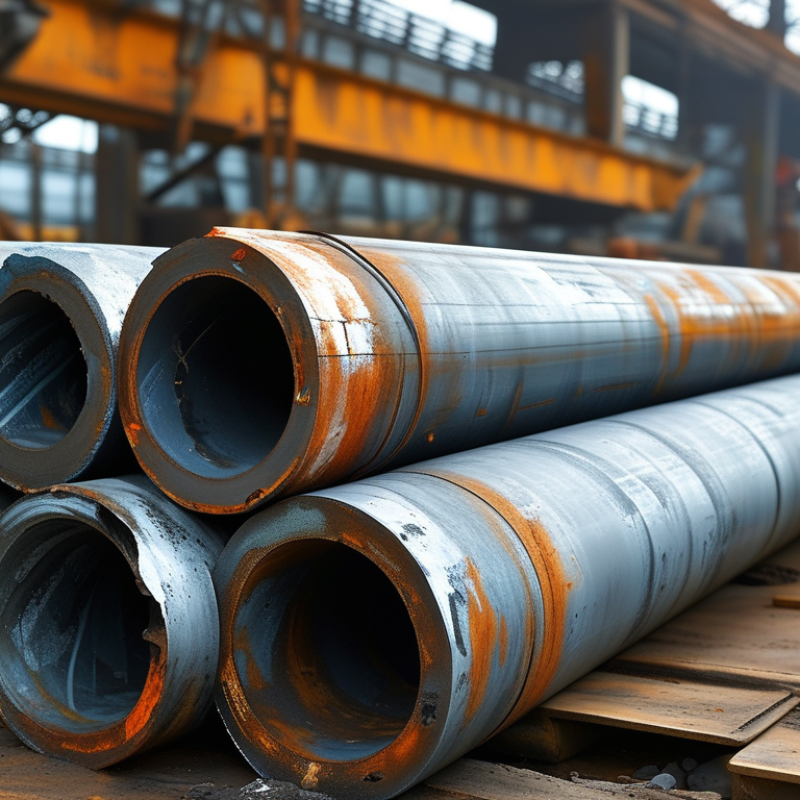
What factors influence the durability of steel pipes?

Material Composition and Its Impact on Steel Pipe Durability

Material composition plays a vital role in the durability of steel pipes. Different metallurgical properties directly influence how well these pipes can withstand environmental stressors. According to the American Society for Testing and Materials (ASTM), carbon content is a key factor. Higher carbon levels increase tensile strength but may also decrease ductility. This trade-off can affect the pipe's long-term performance under various conditions.

Moreover, alloying elements like chromium, nickel, and molybdenum enhance corrosion resistance. The presence of chromium, for instance, forms a protective layer that can prevent oxidative damage. Industry reports indicate that stainless steel pipes, which often contain at least 10.5% chromium, exhibit significant longevity compared to their carbon steel counterparts. However, this does not mean they are immune to all forms of damage.

Even within the same material category, variations in mechanical properties are common. The manufacturing process, such as welding techniques and heat treatments, significantly impacts the quality of the final product. Defects during production can lead to weak points, leading to potential failures later on. Such variations necessitate rigorous quality control to ensure that every pipe can perform effectively in its intended application.

Factors Influencing the Durability of Steel Pipes

Material Composition Impact on Durability Common Applications Corrosion Resistance Lifespan (Years)
Carbon Steel (Low Carbon) Good strength and flexibility, but lower corrosion resistance. Water Supply, HVAC Systems Moderate 20-30
Stainless Steel (Austenitic) Excellent corrosion resistance and strength. Food Processing, Chemical Industries High 25-50
Galvanized Steel Coated with zinc for improved corrosion resistance. Outdoor Structures, Fencing Moderately High 15-40
Alloy Steel Enhanced strength and durability via alloying elements. Oil & Gas Pipelines, Structural Applications Varies 20-40
Corten Steel Forms a protective rust layer; great for outdoor use. Architectural Elements, Outdoor Art Very High 50+

Environmental Factors Affecting Steel Pipe Longevity

Environmental factors significantly influence the durability of steel pipes. Corrosive elements in the environment can accelerate wear and tear. For example, exposure to moisture, oxygen, and pollutants can lead to rust and degradation over time. Areas with high humidity or industrial activity often see reduced pipe lifespan. Additionally, extreme temperatures can cause fluctuations in the material, leading to stress fractures.

Proper maintenance is key to enhancing longevity. Regular inspections can detect early signs of corrosion or damage. Cleaning and applying protective coatings can also prevent environmental damage.

Consider the soil type where the pipes are installed. Soil that retains moisture or has high acidity can create unfavorable conditions. It may be worthwhile to test soil chemistry before installation. This proactive approach can save costs in the long run, ensuring the system remains safe and efficient.

Corrosion Resistance Treatments for Enhanced Durability

Corrosion is a major threat to the longevity of steel pipes. Corrosion resistance treatments are essential in enhancing durability. According to a report by the National Association of Corrosion Engineers, corrosion accounts for a staggering $276 billion annually in the U.S. alone. This figure highlights the critical need for effective treatments to protect steel pipes from deteriorating.

One common treatment is galvanization, where a protective zinc coating is applied to steel. This coating acts as a barrier against environmental elements. Studies indicate that galvanized pipes can last up to 70 years, significantly reducing maintenance costs over time. However, the effectiveness of this treatment can be inconsistent. Factors such as application thickness and environmental conditions can impact its performance.

Another method is the use of corrosion inhibitors, which are chemicals that slow down the rusting process. These substances can be particularly beneficial in high humidity environments. However, reliance solely on inhibitors can lead to gaps in protection. Proper application and routine monitoring are essential for maintaining overall corrosion resistance. In practice, these methods may not always yield the expected results, underscoring the need for ongoing research and validation in the field.

Durability Factors of Steel Pipes

This chart illustrates the various factors influencing the durability of steel pipes. Corrosion resistance takes the largest share, emphasizing the importance of protective treatments.

Mechanical Stress and Its Influence on Steel Pipe Lifespan

Mechanical stress plays a crucial role in determining the lifespan of steel pipes. When steel pipes are subjected to various loads, the internal structure undergoes changes. Repeated stress can lead to fatigue, which gradually weakens the metal. This process often goes unnoticed until significant wear occurs. The frequency and magnitude of these stresses significantly impact how long a pipe can last.

Factors like temperature fluctuations and pressure variations further compound these mechanical stresses. For example, high pressure can create stress concentrations in specific areas. These hotspots may crack under strain. The environment also matters; corrosive substances can weaken the steel, making it more susceptible to mechanical failure.

It's essential to regularly inspect steel pipes for signs of wear and tear. Everyone knows that maintenance can prolong lifespan. However, many neglect this vital practice, which can lead to catastrophic failures. Being proactive and aware can mitigate many of these risks. Observing the signs of mechanical stress helps in timely interventions and decisions can enhance the overall reliability of steel pipes.

Installation and Maintenance Practices for Prolonging Steel Pipe Life

Proper installation and regular maintenance play critical roles in prolonging the life of steel pipes. Ensuring pipes are installed correctly minimizes risks of leaks or structural failure. Taking time during installation to check for proper alignment and secure fittings can save costs down the road. Overlooking small details can lead to significant problems later. Regular inspections should not be underestimated. They reveal signs of corrosion and wear before they become major issues.

Maintenance practices must be thorough and timely. Routine cleaning can prevent sludge buildup and blockages. This process is often neglected, yet it is vital for optimal performance. It’s equally important to replace worn-out seals and gaskets promptly. Delaying these actions leads to increased risks of leaks, which can be costly and disruptive. Understanding the environment in which the pipes operate is key. Harsh conditions require more frequent maintenance and evaluations.

Lastly, documenting maintenance activities improves reliability. Keeping records ensures that follow-up actions are not missed. This practice helps to identify recurring issues, prompting deeper analysis. Analyzing past data can reveal patterns and prevent future failures. Recognizing that no system is perfect encourages ongoing improvement in both installation and maintenance strategies.

FAQS

: What environmental factors affect steel pipe longevity?

: Corrosive elements, moisture, oxygen, and pollutants significantly influence durability.

How do extreme temperatures affect steel pipes?

They can cause material fluctuations, leading to stress fractures and reduced lifespan.

Why is regular maintenance important for steel pipes?

It detects early corrosion signs and helps in applying protective coatings to prevent damage.

How can soil type impact steel pipe installation?

Moisture-retaining or acidic soils create unfavorable conditions, affecting pipe longevity.

What role does mechanical stress play in steel pipe lifespan?

Repeated stress leads to fatigue, gradually weakening the metal and reducing its durability.

What happens if high pressure is applied to steel pipes?

It creates stress concentrations which may crack under strain, risking failure.

How can proactive inspections improve steel pipe reliability?

They help in identifying wear signs early, enabling timely interventions and repairs.

What are common neglects in steel pipe maintenance?

Many overlook regular inspections, which can lead to catastrophic failures.

Are temperature fluctuations a concern for steel pipes?

Yes, they can exacerbate mechanical stress and contribute to strength loss.

Is testing soil chemistry beneficial before pipe installation?

Absolutely, it helps ensure the system remains safe and efficient long-term.

Conclusion

The durability of steel pipes is influenced by a variety of factors that can significantly impact their lifespan and performance. One key consideration is the material composition of the steel, as different alloys can provide varying levels of strength and resistance to environmental conditions. In addition, environmental factors such as temperature fluctuations, moisture, and exposure to corrosive substances play a crucial role in determining steel pipe longevity.

Furthermore, the application of corrosion resistance treatments is essential in enhancing durability and preventing degradation over time. Mechanical stress resulting from pressure, temperature changes, and physical forces can also affect the lifespan of steel pipes. Lastly, proper installation and ongoing maintenance practices are vital for prolonging the life of steel pipes. Understanding what factors affect steel pipe durability is essential for ensuring their reliability and efficiency in various applications.

Ethan

Ethan

Ethan is a seasoned marketing professional with a deep expertise in our company's innovative product line. With a passion for sharing knowledge and insights, he takes the lead in regularly updating our corporate blog, where he explores industry trends, product features, and effective marketing......