Choosing the right steel pipes is crucial for durability and safety. Understanding how to identify high-quality steel pipes can make a significant difference in your projects. Many factors contribute to steel pipe quality, including material composition, manufacturing process, and certifications.
You may wonder what makes one steel pipe better than another. Factors like the thickness of the pipe walls and the type of weld used are vital. Reliable suppliers often provide detailed information about their products. Look for certifications that ensure compliance with industry standards.
However, not all specifications are easily understood. Sometimes, the terms and standards can be confusing. It's important to ask questions and seek advice from experts. Reflect on your project's requirements, and choose the pipes that meet your needs. This process can be challenging, but it ensures long-lasting results.
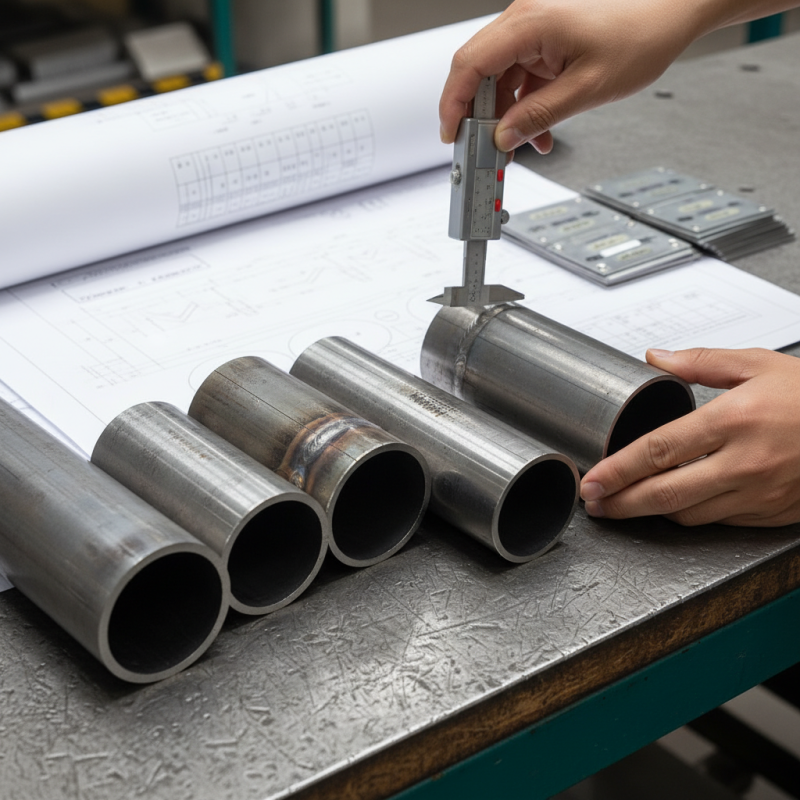
When exploring the market for steel pipes, it's crucial to understand the various types available. Steel pipes vary significantly in characteristics and applications. For instance, there are seamless and welded pipes. Seamless pipes are made from a solid round steel billet. This process eliminates weak points, resulting in higher strength and reliability. Conversely, welded pipes are formed by joining two pieces of steel. They are often less expensive but might have more vulnerabilities.
Quality should never be compromised when selecting pipes. Buyers often overlook essential factors. Verify the steel grade. ASTM specifications can guide you here. Additionally, inspect the pipe’s coating. Coatings help prevent corrosion, extending the lifespan of the pipes.
Tips: Always request certification documents when purchasing. This ensures the pipes meet industry standards. Look for a supplier with a solid reputation. Reviews from other customers can provide insights into their experiences. Remember, a cheaper price might signal lower quality. Investing in high-quality steel pipes often pays off in the long run. Be cautious of your choices. The right pipe is crucial for your project’s success.
When choosing steel pipes, several key factors must be evaluated. The first is the material quality. Steel pipes come in different grades. Higher grades indicate better strength and durability. Look for specifications that detail the steel's composition. This indicates its ability to withstand pressure and corrosion.
Another important factor is the manufacturing process. Welded pipes and seamless pipes serve different purposes. Welded pipes may have joints that weaken their integrity. Seamless pipes, on the other hand, provide a higher level of reliability. Assess the methodology to ensure it meets industry standards. A thorough inspection process is also essential.
Lastly, consider the intended application of the pipes. Different projects may demand specific grades and types. Think about the environmental conditions the pipes will face. Factors such as temperature, pressure, and exposure to chemicals can affect performance. This consideration can lead to wiser choices. It’s crucial to reflect on these aspects to avoid costly mistakes in the long run.
| Quality Indicator | Description | Measurement Method | Standard Reference |
|---|---|---|---|
| Material Grade | Refers to the steel composition and properties. | Chemical analysis and mechanical tests. | ASTM, API standards. |
| Wall Thickness | Indicates the durability and pressure rating of the pipe. | Caliper measurement or ultrasound inspection. | ASTM A106, API 5L. |
| Surface Finish | Quality of the external and internal surface. | Visual inspection, roughness measurements. | ISO 8503 standards. |
| Weld Quality | Assess the integrity of welded joints if applicable. | Non-destructive testing methods like X-ray or ultrasonic testing. | AWS D1.1, ASME IX. |
| Certification | Official confirmation of compliance with industry standards. | Documentation review from recognized bodies. | ISO 9001, API 5L. |
When selecting high-quality steel pipes, understanding industry standards and certifications is crucial. The American Society for Testing and Materials (ASTM) provides guidelines to ensure material quality. ASTM specifications like ASTM A53 and ASTM A106 are widely recognized. These standards dictate acceptable chemical compositions and mechanical properties for pipes used in various applications.
ISO 9001 certification is also important. It signifies that a manufacturer follows consistent quality management practices. A report from the World Steel Association highlights that certified manufacturers often exhibit lower defect rates, which can directly impact the reliability of projects. A producer with ISO certification indicates their commitment to quality.
However, not all certified products guarantee performance in real-world conditions. Some manufacturers might meet standards but lack practical quality control. It is essential to evaluate production methods and sourcing of raw materials. Buyers should seek transparency in testing methods and request test reports before procurement. Individual projects may have unique requirements that aren't fully addressed by standard certifications alone.
When assessing the strength and durability of steel pipes, various testing methods exist. Each method serves a purpose in evaluating the quality of steel pipes. One common technique is tensile testing, which measures the pipe's ability to withstand pulling forces. By stretching samples until they break, manufacturers can determine the yield strength and ultimate tensile strength. This crucial information helps in selecting pipes that can handle specific loads.
Another important test is impact testing. This assesses how well a steel pipe can endure sudden shocks or hits. For example, Charpy impact tests involve striking a notched specimen with a hammer. The energy absorbed during fracture indicates the material's toughness. Toughness is vital in applications subject to dynamic loads, such as construction and energy pipelines.
Lastly, non-destructive testing methods, such as ultrasonic testing, are critical. These methods identify internal flaws without damaging the pipe. For instance, ultrasound waves can reveal voids, cracks, or inclusions. While formal testing standards exist, some practices vary. Smaller manufacturers may lack comprehensive testing protocols. Therefore, one should always examine the testing practices of suppliers to ensure reliability. Quality control is key to ensuring the integrity of steel pipes.
When choosing steel pipes, understanding your project's requirements is vital. Factors like size, material grade, and intended use play a critical role. High-quality steel pipes should meet specific criteria, such as strength, corrosion resistance, and durability. Always check the specifications provided by the manufacturer.
Inspecting the pipe's wall thickness is crucial. Thicker walls often indicate better strength. Look for certifications that signify compliance with industry standards. Consider environmental factors too; pipes exposed to harsh conditions require higher-grade materials.
Finally, don’t overlook the importance of supplier reputation. A trusted supplier often has a history of quality products. Still, there are instances where even established suppliers may fall short. Always ask for samples when in doubt. Testing the materials can reveal hidden defects. This step can save future costs and headaches.
: There are seamless and welded steel pipes. Seamless pipes have higher strength, while welded pipes are less expensive.
Quality affects the durability and performance of pipes. Poor quality can lead to failures and costly repairs.
Check the steel grade and certifications. ASTM specifications provide guidance for material quality.
Choose suppliers with solid reputations. Customer reviews can reveal experiences and quality levels.
It indicates a manufacturer follows consistent quality management practices. This often leads to fewer defects.
Not always. Some manufacturers may meet standards but fail in practical quality control. Evaluate their methods.
Common methods include tensile testing and impact testing. Non-destructive methods like ultrasonic testing are also important.
It measures a pipe's ability to withstand pulling forces. Samples are stretched until they break to determine strength.
This tests a pipe’s resistance to sudden shocks. Charpy tests involve striking notched samples to measure toughness.
Smaller manufacturers might lack comprehensive testing. Understanding their protocols helps ensure the pipes' reliability.
When considering how to identify high quality steel pipes, it's essential to understand the various types available in the market. Each type serves different applications and possesses unique characteristics. Evaluating steel pipe quality involves examining key factors such as material composition, wall thickness, and resistance to corrosion. Familiarity with industry standards and certifications is crucial, as they ensure the product meets specific safety and performance benchmarks.
Additionally, effective testing methods can assess the strength and durability of steel pipes, providing further assurance of their quality. Best practices for selecting the right steel pipe for your project include matching the pipe type with the intended use and adhering to defined standards. By following these guidelines, you can confidently choose high quality steel pipes that meet your project's needs.

Flowtera Pipe