How to Identify Common Defects in Steel Pipes?

Time:2026-05-19 Author:Madeline
0%

In the construction and manufacturing sectors, steel pipes play a vital role. However, understanding "what are common defects in steel pipes" is essential for quality assurance. Industry reports indicate that up to 15% of steel pipes can exhibit defects. These defects can lead to severe consequences, including structural failures and safety hazards.

Common issues include fissures, corrosion, and improper welding. For example, a report by the American Society for Testing and Materials noted that corrosion is responsible for nearly 40% of pipe failures. Addressing these problems proactively can save companies thousands of dollars annually. It also enhances safety and reliability in projects.

Despite advancements in technology, defects can still occur. It's imperative for industries to stay updated and refine inspection techniques. Regular maintenance can identify flaws early, reducing risk. Ensuring the integrity of steel pipes is not just about meeting standards; it's about safeguarding lives and investments.
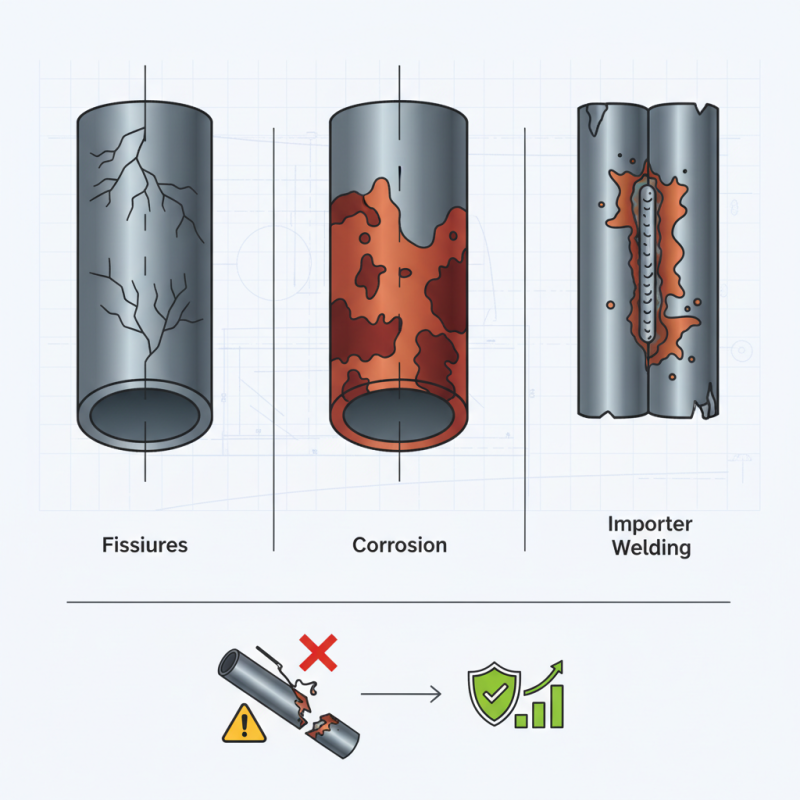
How to Identify Common Defects in Steel Pipes?

Understanding Common Defects Found in Steel Pipes

Steel pipes are essential in various industries. However, they are not immune to defects. Understanding these common defects can help in maintaining the integrity of pipelines and ensuring safety.

Some frequent issues include corrosion, which occurs when moisture or chemicals react with the metal. This can weaken the pipe, leading to leaks. Another common defect is welding imperfections like cracks or incomplete joints. These can compromise the pipe's strength and increase the risk of failure.

Manufacturing defects also exist. For instance, improper cooling can cause warping. This affects the pipe's ability to fit with other components. Identifying these issues early can save time and costs. Regular inspections and assessments are vital in avoiding major problems down the line. Observing the structure carefully can reveal signs of distress, aiding in preventive measures.

Visual Inspection Techniques for Identifying Surface Defects

Visual inspection is a crucial method for identifying surface defects in steel pipes. Industry reports indicate that about 40% of steel pipe failures are due to unnoticed surface irregularities. Common defects include cracks, pits, and corrosion. Inspectors can utilize visual techniques to discern these issues.

Proper lighting and a magnifying glass enhance the detection of minor flaws. For example, a crack may appear hairline and be difficult to see without proper lighting. Inspectors often recommend conducting routine checks every six months. Such practices can prevent costly errors down the line.

Surface defects not only affect the aesthetic quality of steel pipes but also compromise safety. A pit or a dent can lead to weak points in the structure. Regular visual inspections can help identify issues before they escalate. Industry experts emphasize the need for thorough training so that inspectors can recognize what constitutes a defect. Even experienced inspectors can miss subtle variations, highlighting the need for continued education in inspection techniques.

Common Types of Internal Defects in Steel Pipes

When assessing steel pipes, internal defects can compromise integrity and performance. Common types include voids, inclusions, and cracks. Voids are air pockets trapped during production. These can weaken the pipe structure. Inclusions often arise from non-metallic particles or contaminants. They can lead to unexpected failures under pressure.

Cracks may develop due to thermal stress or improper handling. They often indicate deeper issues in the material. Even small cracks can propagate over time, costing more to repair. It’s vital to address these defects early. Visual inspection can reveal some issues, but advanced techniques like ultrasonic testing provide more reliable insights.

Every defect affects the overall quality of the pipe. Some defects might not be visible at first glance. Regular inspection and maintenance play a crucial role. Understanding the potential for these internal flaws helps in maintaining safety standards. Awareness promotes proactive measures, reducing costly errors.

Using Non-Destructive Testing Methods for Defect Identification

Identifying defects in steel pipes is crucial for ensuring safety and performance. Non-destructive testing (NDT) methods have proven valuable in detecting these flaws without damaging the material. According to a recent industry report from the American Society for Nondestructive Testing, NDT techniques can increase defect detection rates by over 70%. This highlights the importance of implementing these methods throughout the production process.

Common NDT techniques include ultrasonic testing, radiographic testing, and magnetic particle testing. Each method has its strengths. Ultrasonic testing uses sound waves to find internal flaws, while radiographic testing provides a visual image of the pipe’s structure. Magnetic particle testing is effective for detecting surface defects. However, understanding the appropriate method to use is essential, as misapplication can lead to false results.

Tip: Train your staff regularly in NDT practices. Knowledge gaps can result in undetected defects and safety hazards. Remember that the effectiveness of NDT also relies on proper equipment calibration. Be aware that not all defects are easily detectable. A meticulous approach is needed to improve accuracy. The commitment to using NDT will enhance reliability in steel pipe integrity assessments. Prioritizing thorough inspections is key to successful operation.

Evaluating the Impact of Defects on Steel Pipe Performance

Identifying and addressing defects in steel pipes is crucial for performance and safety. Common defects include corrosion, weld flaws, and dimensional inaccuracies. Each of these issues can significantly impact the lifespan and functionality of the pipes.

Corrosion affects the integrity of the steel. According to industry reports, 25% of steel pipe failures result from corrosion-related issues. This degradation leads to leaks and compromises structural strength. Weld flaws, such as incomplete fusion or cracks, can reduce a pipe's pressure tolerance. Research shows that a mere 1% increase in defects can lead to a 10% decrease in performance.

**Tip:** Implement regular inspections to detect early signs of corrosion. Utilize non-destructive testing methods for weld evaluation. Monitoring environmental factors can also prevent unexpected deterioration.

Dimensional inaccuracies may create stress points in the piping system. These inaccuracies often arise from poor manufacturing processes. Statistics indicate that 15% of steel pipes are manufactured outside of tolerance levels. This can lead to installation challenges and operational inefficiencies.

**Tip:** Always source pipes from reputable manufacturers. Verify compliance with industry standards to ensure quality. Feedback from users can also reveal hidden defects.

Understanding these defects and their potential impacts is vital for maintaining steel pipe performance. Investing in quality control can prevent significant safety risks and costly repairs.

How to Identify Common Defects in Steel Pipes? - Evaluating the Impact of Defects on Steel Pipe Performance

Defect Type Description Impact on Performance Detection Method
Corrosion Oxidation of the steel surface resulting in material loss. Reduces wall thickness; increases risk of failure. Visual inspection, ultrasonic testing.
Cracks Fractures that can occur due to stress or thermal expansion. May lead to leaks or complete failure under pressure. Magnetic particle inspection, dye penetrant testing.
Weld Defects Issues in welds such as cold shuts, lack of fusion, or undercutting. Compromises structural integrity of joints. X-ray inspection, ultrasonic testing.
Buckling Deformation due to excessive loads or improper support. Affects load distribution and increases risk of collapse. Visual inspection, measurement analysis.
Dents Depressions on the pipe surface from impacts. Can lead to stress concentrations and potential failure points. Visual inspection, laser scanning.

FAQS

: What are non-destructive testing (NDT) methods?

: NDT methods identify defects without damaging the material. They ensure safety and performance in steel pipes.

Why is non-destructive testing important?

NDT can increase defect detection rates by over 70%. This is crucial for maintaining pipe integrity.

What are common NDT techniques used?

Common techniques include ultrasonic testing, radiographic testing, and magnetic particle testing. Each detects different flaws.

What issues can corrosion cause in steel pipes?

Corrosion can lead to leaks and reduced structural strength. It accounts for 25% of steel pipe failures.

How do weld flaws affect pipe performance?

Weld flaws reduce pressure tolerance. A small increase in defects can significantly decrease overall performance.

What are dimensional inaccuracies in steel pipes?

These inaccuracies arise from poor manufacturing. They create stress points and operational inefficiencies.

How to prevent unexpected deterioration in pipes?

Implement regular inspections and monitor environmental factors. These practices help catch issues early.

What should one consider when sourcing steel pipes?

Always choose reputable manufacturers. Verify compliance with industry standards for better quality assurance.

How can training improve NDT effectiveness?

Regular training reduces knowledge gaps. It prevents undetected defects and enhances overall safety.

What is the impact of user feedback on defects?

User feedback can reveal hidden defects. It helps improve quality control and ensures safer operations.

Conclusion

Identifying common defects in steel pipes is crucial for ensuring their performance and longevity. The article outlines various types of defects that can be observed both externally and internally. Common surface defects might include scratches, dents, and rust, which can easily be detected through visual inspection techniques. Internally, defects such as corrosion, pitting, and cracks can arise and may require more sophisticated methods to identify.

To accurately assess the condition of steel pipes, non-destructive testing methods are employed, providing insights without compromising the integrity of the material. Understanding what are common defects in steel pipes and their potential impact on performance is essential for maintenance and safety. Regular inspections and evaluations can help in early detection, ultimately leading to timely interventions and prolonging the life cycle of steel pipe systems.

Madeline

Madeline

Madeline is a dedicated marketing professional with a wealth of expertise in our company's core offerings. With a keen understanding of the industry, she brings a unique perspective to her role, consistently delivering high-quality content that highlights the superior aspects of our products. As......