Why Custom Pipes Are Essential for Engineering Projects?

Time:2026-07-19 Author:Oliver
0%

In the realm of engineering, custom pipes play a critical role. Understanding why custom pipes are important for engineering projects can elevate a design's effectiveness. Each project presents unique challenges, and standard solutions may not suffice. Custom pipes offer tailored dimensions and specifications, ensuring optimized fluid flow and structural integrity.

When working with specialized materials, engineers often find that off-the-shelf options fall short. The need for high corrosion resistance or specific pressure ratings becomes paramount. This highlights the importance of custom solutions. Custom pipes can better align with project goals, enhancing overall performance and safety.

However, it’s not just about functionality. Custom pipes also require careful planning and design. Engineers must anticipate potential issues, balancing costs with benefits. It’s essential to reflect on past projects where custom pipes made a significant difference. Embracing this tailored approach in engineering can drive innovation and success.
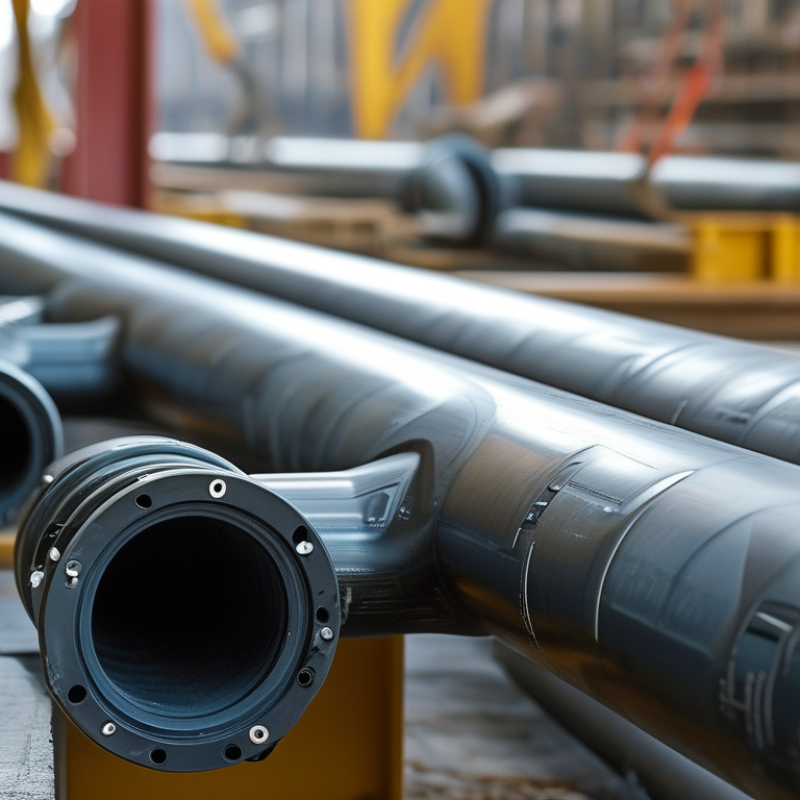
Why Custom Pipes Are Essential for Engineering Projects?

Importance of Custom Pipes in Engineering Design and Implementation

Custom pipes play a crucial role in engineering design and implementation. Each project has unique requirements that standard piping cannot always meet. These pipes are tailored to specific dimensions, materials, and functions, ensuring optimal performance. In sectors like oil and gas, customization enhances efficiency and safety.

The manufacturing process of custom pipes involves advanced techniques. Engineers must collaborate closely with manufacturers to define the exact specifications. Communication is vital. Misunderstandings can lead to costly errors. Quality control is equally important; each pipe must undergo rigorous testing. This attention to detail ensures that the final product meets all engineering standards.

Custom pipes can also accommodate complex flow requirements. They allow for innovative designs that promote better functionality. This flexibility can lead to improved system performance. Yet, the design process can be challenging, requiring extensive testing and iteration. Engineers must remain open to feedback and continuously refine their approach. Embracing these challenges often leads to groundbreaking engineering solutions.

Key Benefits of Custom Pipes for Specific Industry Applications

Custom pipes play a pivotal role in various engineering projects. They offer specific benefits tailored for distinct industry applications. Engineers often face unique challenges that standard pipes cannot address. Custom pipes provide the flexibility needed to meet these demands. For instance, in the oil and gas sector, they must withstand high pressures and corrosive materials. Standard options may fail in these extreme conditions.

In water treatment facilities, custom pipes ensure optimal flow rates and efficiency. These pipes can be designed to fit unique layouts or meet specific capacity needs. Additionally, they can help reduce maintenance costs. Using custom designs means less downtime and fewer replacements. Yet, the design process can be complex. Engineers must thoroughly assess requirements and conduct proper testing.

Precision is crucial when creating custom pipes. Small errors can lead to significant issues later. It's essential to involve experienced professionals in the design and manufacturing stages. They understand the standards and regulations specific to various industries. This expertise helps ensure the pipes meet safety and efficiency standards. Custom pipes not only enhance performance but also cater to the evolving needs of industries.

Why Custom Pipes Are Essential for Engineering Projects? - Key Benefits of Custom Pipes for Specific Industry Applications

Industry Application Key Benefits Material Customization Options
Oil and Gas High pressure resistance, corrosion resistance Stainless Steel, Carbon Steel Diameter, Thickness, Coating
Water Treatment Durability, Reduced leakage PVC, HDPE Length, Joint Type
Pharmaceutical Hygiene, Non-reactive Medical Grade Stainless Steel Surface Finish, Size
Food and Beverage Food safety, Easy cleaning 304/316 Stainless Steel Custom Shapes, Connector Types
Construction Flexibility, Strength Aluminum, Steel Length, Joint Configuration

Material Selection for Custom Pipes: Enhancing Durability and Performance

Material selection for custom pipes is crucial in engineering projects. The right material not only impacts performance but also affects durability. According to industry reports, 60% of pipe failures are linked to inadequate material choices. Engineers must consider factors like corrosion resistance, temperature stability, and pressure handling.

Stainless steel, for instance, provides high durability and resistance to various chemicals. However, its higher cost can be a concern. On the other hand, PVC is affordable and lightweight, but it may not withstand extreme temperatures. The decision often requires balancing performance and budget.

Some projects face challenges due to improper material selection. Engineers sometimes underestimate environmental factors. This can lead to unexpected failures and costly repairs. Continuous research is essential to refine material choices and enhance project outcomes. Analyzing existing data and trends helps inform better decisions for future projects.

Cost-Benefit Analysis: Custom Pipes vs. Standardized Pipe Solutions

When considering cost-effective solutions for engineering projects, comparing custom pipes to standardized piping options is crucial. Custom pipes offer tailored solutions designed to meet specific project needs. This can significantly reduce material waste, optimizing both cost and resources. For many projects, the upfront investment in custom pipes might seem high. However, the longevity and efficiency they provide often translate to lower long-term expenses.

Standard pipes come with fixed dimensions and specifications, which may not always fit perfectly into a project. This can lead to additional costs due to modifications or alterations. On the flip side, custom pipes might require more upfront analysis and design work. Yet, they often result in a more efficient system that minimizes downtime or repairs. The initial costs may deter some decision-makers, but the potential for improved performance should not be underestimated.

Engineering projects demand precise solutions. Custom pipes ensure the right fit and functionality for complex systems. They can also lead to better energy efficiency. Investing in them requires careful consideration, weighing immediate costs against future savings. Balancing these factors is essential for any successful project.

Cost-Benefit Analysis of Custom Pipes vs. Standardized Pipe Solutions

This chart provides a cost-benefit analysis comparing custom pipes and standardized pipe solutions. The initial costs are higher for custom pipes, but they offer significant lifetime savings and lower maintenance costs, which can make them more economically viable in long-term engineering projects.

Real-World Case Studies: Successful Engineering Projects Utilizing Custom Pipes

Custom pipes play a crucial role in various engineering projects. Specific needs often require tailored solutions, and custom pipes can provide exactly that. For instance, in a recent water treatment facility, custom pipes were designed to withstand high pressures. Their unique specifications helped improve efficiency and longevity compared to standard options.

One impressive case involved a chemical processing plant. Off-the-shelf pipes could not handle the corrosive materials. Engineers created custom pipes, reducing leakage risks and enhancing safety. This success not only saved costs but also decreased downtime.

Tips: Always assess project needs carefully. Consider factors like pressure, material compatibility, and environmental conditions. Custom pipes can offer tangible benefits, but ensure your design is robust and well thought out. Don't overlook the potential for long-term savings and improved performance.

FAQS

: Why is material selection important for custom pipes?

: Material selection affects both performance and durability in engineering projects.

What percentage of pipe failures is linked to material choices?

Research indicates that 60% of pipe failures are due to inadequate material selection.

What should engineers consider when choosing materials?

Engineers need to think about corrosion resistance, temperature stability, and pressure handling.

What are the advantages of stainless steel for custom pipes?

Stainless steel offers high durability and chemical resistance but can be more expensive.

Are there any downsides to using PVC for pipes?

PVC is affordable and lightweight, but it may not withstand extreme temperatures effectively.

What can happen if material selection is improper?

Improper choices can lead to unexpected failures and costly repairs in projects.

How can engineers improve their material choices?

Continuous research and analysis of data can help refine material selections for better outcomes.

Can custom pipes save costs in engineering projects?

Yes, custom pipes can lead to long-term savings by reducing downtime and enhancing safety.

What environmental factors should engineers assess?

Engineers should evaluate pressure and material compatibility in relation to environmental conditions.

What should engineers prioritize for custom pipe design?

Robust design and careful assessment of project needs are essential for custom pipe efficacy.

Conclusion

Custom pipes play a critical role in engineering projects due to their ability to meet specific design requirements and enhance overall performance. The importance of custom pipes lies in their adaptability to various industry applications, providing tailored solutions that standard pipes cannot offer. This adaptability not only improves efficiency but also ensures durability through careful material selection that aligns with the unique demands of each project.

Moreover, a cost-benefit analysis reveals that investing in custom pipes can be more advantageous than relying on standardized solutions. While initial costs may be higher, the long-term benefits include reduced maintenance, improved functionality, and increased longevity of installations. Real-world case studies underscore the successful implementation of custom pipes in engineering projects, demonstrating why custom pipes are important for engineering projects and reaffirming their value in achieving project goals effectively.

Oliver

Oliver

Oliver is a seasoned marketing professional with a wealth of expertise in driving brand awareness and engagement. With a deep understanding of our company's product offerings, he consistently delivers high-quality content that enriches our professional blog. His insights not only shed light on......