How to Prevent Corrosion in Steel Pipes for Global Buyers

Time:2026-08-18 Author:Amelia
0%

Corrosion in steel pipes is a significant issue for various industries, leading to costly repairs and safety hazards. According to the National Association of Corrosion Engineers (NACE), corrosion costs the U.S. economy around $300 billion annually. This alarming statistic underscores the urgency of understanding how to prevent corrosion in steel pipes. The severity of the problem is clear when we consider that 20% of steel structures suffer from corrosion-related failures every year.

One effective strategy involves using corrosion-resistant materials and coatings. A study from the American Society of Civil Engineers (ASCE) indicates that protective coatings can reduce corrosion rates by up to 80%. Additionally, implementing proper cathodic protection systems is crucial. These methods not only prolong the life of steel pipes but also ensure the safety of operations. It’s essential to recognize that even with these technologies, maintenance and regular inspections are still required.

Challenges remain in effectively applying these preventive measures. Many companies lack the expertise to assess their specific risks, which leads to inadequate prevention strategies. Addressing these gaps in knowledge is vital for global buyers and suppliers. By focusing on how to prevent corrosion in steel pipes, industries can avoid unnecessary expenses and enhance overall reliability.
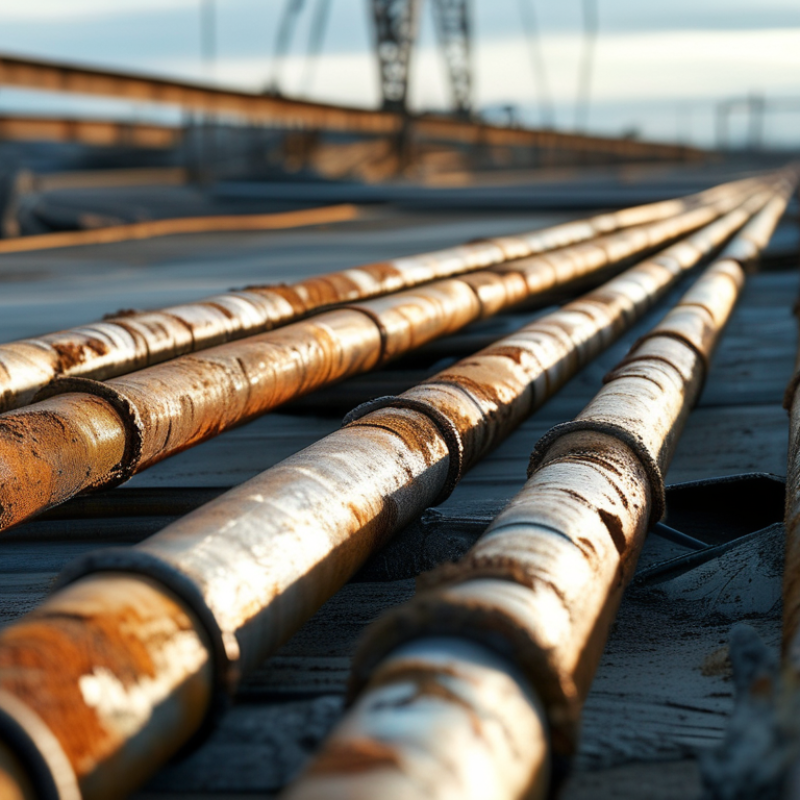
How to Prevent Corrosion in Steel Pipes for Global Buyers

Understanding the Basics of Corrosion in Steel Pipes

Corrosion in steel pipes is a critical issue that can lead to serious structural failures. Understanding how corrosion forms is essential for effective prevention. Corrosion occurs when metals react with their environment. This can involve moisture, oxygen, or other chemicals. These elements create an electrochemical reaction, resulting in rust and deterioration.

Regular inspections are vital. They allow for early detection of corrosion. This can include visual checks or more advanced methods, such as ultrasonic testing. Additionally, applying protective coatings can significantly reduce the risk. These coatings act as barriers, preventing corrosive substances from reaching the metal surface. However, these methods often require ongoing maintenance.

Organizations must remain vigilant. Ignoring the signs of corrosion can lead to costly repairs and safety hazards. Training employees to recognize early warning signs is beneficial. Corrosion management is not always straightforward. Each environment presents unique challenges. Understanding these challenges is crucial for global buyers. Investing time and resources now can prevent future failures.

Common Causes of Corrosion in Steel Pipes

Corrosion in steel pipes is a significant issue that affects many industries. Several factors contribute to this problem. One major cause is moisture. Water can infiltrate pipes, leading to rust and degradation over time. Even slight humidity can create a corrosive environment. Proper sealing and protective coatings are vital.

Another cause of corrosion is chemical exposure. Certain chemicals in the environment can react with steel. For example, acidic or saline conditions accelerate the corrosion process. It is crucial to assess the surrounding environment carefully. This assessment helps in choosing the right protective methods. Regular inspections can help identify potential risks early.

Lastly, microbial activity also plays a role in pipe corrosion. Certain bacteria thrive in wet conditions, producing substances that promote corrosion. This factor is often overlooked. Awareness of these causes can lead to better prevention strategies. Evaluating all environmental aspects is essential for maintaining pipe integrity.

Preventive Measures to Protect Steel Pipes from Corrosion

Corrosion in steel pipes can lead to significant damage and costly repairs. Understanding preventive measures is essential for maintaining the integrity of these structures. One effective strategy is to apply protective coatings. These coatings create a barrier against moisture and chemicals that cause rust. Regular inspections can help identify any signs of wear or damage early.

Another crucial method involves cathodic protection. This technique uses sacrificial anodes to redirect corrosion away from the steel pipeline. It is essential to assess the soil conditions to choose the right anode material. Additionally, implementing proper drainage can prevent water accumulation, reducing the risk of corrosion. Over time, neglected drainage systems can worsen corrosion rates.

Proper maintenance routines are vital. Cleaning and treating the surface of steel pipes can extend their lifespan. However, some might overlook routine checks, leading to unnoticed issues. This can create vulnerabilities that are harder to address later. Adopting a proactive approach can help ensure steel pipes remain durable against corrosion. Regular reviews and updates to preventive strategies are necessary to adapt to changing environmental conditions.

How to Prevent Corrosion in Steel Pipes for Global Buyers

Prevention Method Description Effectiveness Cost Estimate
Coatings Applying a protective layer to the surface of steel pipes to prevent moisture and oxygen contact. High $1-$3 per square foot
Cathodic Protection Using an electrical current to counteract the electrochemical reactions that cause corrosion. Very High $2,000-$10,000 per system
Galvanization Coating steel with a layer of zinc to provide corrosion resistance. High $0.50-$1.00 per pound
Regular Maintenance Routine inspection and maintenance to identify and address potential corrosion issues. Moderate Varies based on the frequency of inspections
Environmental Control Managing the surrounding conditions such as humidity to reduce corrosion risk. Moderate Depends on the interventions necessary

Coatings and Treatments for Enhanced Corrosion Resistance

Corrosion in steel pipes is a significant concern for many industries. Coatings and treatments can enhance corrosion resistance dramatically. According to the NACE International, corrosion costs the U.S. economy over $300 billion annually. This staggering figure highlights the need for effective solutions to prolong the life of steel infrastructure.

High-performance coatings like epoxy and polyurethane provide a protective layer. These coatings can withstand harsh environments and resist moisture. A study from the American Society for Testing and Materials (ASTM) indicates that epoxy coatings reduce the corrosion rate by up to 95% in specific applications. However, proper surface preparation is critical for the effectiveness of these coatings. Failing to achieve a clean, roughened surface can lead to premature coating failure.

Another treatment option is galvanization, which involves applying zinc to steel. This method acts as a sacrificial anode, protecting the underlying metal from rust. The International Zinc Association reported that galvanized steel can last more than 50 years in certain conditions. Yet, it's essential to consider environmental factors and regulations. Over time, even galvanized coatings can degrade, needing re-evaluation and possible reapplication. Overall, while coatings and treatments can significantly reduce corrosion, understanding the limitations is crucial for effective long-term protection.

Corrosion Resistance Treatments for Steel Pipes

Regular Maintenance Practices to Prevent Corrosion in Steel Pipes

Corrosion in steel pipes poses a significant risk, especially in industries dealing with water and chemicals. Regular maintenance is crucial to extend the lifespan of these pipes. According to a report by the National Association of Corrosion Engineers, corrosion costs the industry over $276 billion annually. This statistic highlights the need for proactive measures.

One effective practice is routine inspections. These should be conducted every six months. Inspections help identify early signs of corrosion, such as rust or pitting. Using non-destructive testing methods can reveal weaknesses without damaging the pipes. Additionally, applying protective coatings can mitigate corrosion risks. Reports indicate that using a thin layer of epoxy can reduce corrosion rates by up to 90%.

Proper drainage is also vital in maintenance. Standing water can accelerate the corrosion process. Ensuring that no water accumulates near the pipes is essential. Additionally, implementing a regular cleaning schedule can help remove buildups that may trap moisture. These steps might seem basic, but they can drastically improve pipe integrity. However, not all companies adhere strictly to these practices, leading to missed opportunities for preventing damage. Frequent reassessment of these maintenance strategies is necessary for optimal performance.

FAQS

: What causes corrosion in steel pipes?

: Corrosion occurs when metals react with moisture, oxygen, or chemicals in the environment.

How can I detect early signs of corrosion?

Regular inspections, visual checks, and non-destructive testing methods can help identify corrosion early.

Why are protective coatings important?

Protective coatings act as barriers, preventing corrosive substances from reaching the metal surface and reducing corrosion risk.

How often should inspections be conducted?

Inspections should be done every six months to catch early signs of corrosion, like rust or pitting.

What impact does proper drainage have on corrosion?

Proper drainage prevents standing water, which can accelerate the corrosion process in steel pipes.

How can cleaning schedules prevent corrosion?

Regular cleaning removes buildups that trap moisture and can lead to corrosion issues over time.

What are the consequences of ignoring corrosion?

Ignoring corrosion can lead to costly repairs and serious safety hazards for operations.

Is corrosion management simple?

No, each environment poses unique challenges that complicate effective corrosion management strategies.

Why is ongoing maintenance crucial?

Ongoing maintenance, like applying protective coatings, is essential for preserving the integrity of steel pipes.

Can all companies prevent corrosion effectively?

Not all companies follow best practices, leading to missed opportunities in preventing corrosion damage.

Conclusion

Corrosion in steel pipes is a significant concern for global buyers, as it can lead to structural failures and increased maintenance costs. To understand how to prevent corrosion in steel pipes, it's essential to identify the common causes, such as moisture, environmental factors, and chemical reactions. Implementing preventive measures, including the application of protective coatings and treatments, can significantly enhance the corrosion resistance of steel pipes.

Regular maintenance practices are also crucial in ensuring the longevity of steel pipes. This includes routine inspections and timely repairs to address any potential corrosion issues. By following these guidelines, buyers can protect their investments and ensure the reliability of their steel pipe infrastructure. Adopting a proactive approach to understanding and managing corrosion will ultimately lead to improved performance and safety in various applications.

Amelia

Amelia

Amelia is a seasoned marketing professional with a wealth of expertise in our company’s core offerings. With an unwavering passion for driving growth and innovation, she plays a pivotal role in shaping our marketing strategies and enhancing brand visibility. A key aspect of her responsibilities......