How to Prevent Corrosion in Steel Pipes for Long Lasting Performance?

Time:2026-05-07 Author:Liam
0%

Corrosion is a significant issue in the maintenance of steel pipes, affecting their durability and performance. To understand how to prevent corrosion in steel pipes, we can turn to industry expert Dr. Emily Carter. She notes, "Regular monitoring and protective coatings are vital for extending the life of steel pipelines."

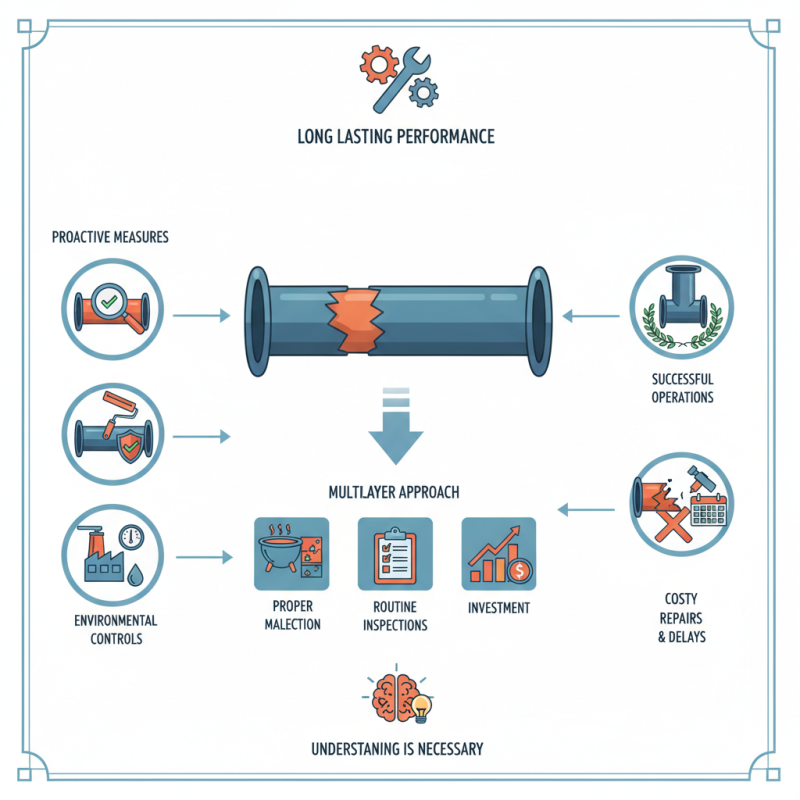
Steel pipes are often exposed to harsh environments, making them susceptible to rust and degradation. The application of protective coatings is one effective method to combat corrosion. However, many companies may overlook this critical step, leading to unexpected failures. It’s essential to implement proactive measures to protect these assets.

Experts recommend a multilayer approach to corrosion prevention. Proper material selection, environmental controls, and routine inspections can make a significant difference. Investing time and resources into these strategies helps maintain the integrity of steel pipes. When stakeholders ignore these practices, they risk costly repairs and project delays. Therefore, understanding how to prevent corrosion in steel pipes is not just beneficial; it's necessary for successful operations.
How to Prevent Corrosion in Steel Pipes for Long Lasting Performance?

Understanding Corrosion: Types and Causes Affecting Steel Pipes

Corrosion is a significant concern for steel pipes. Understanding its types helps in preventing damage. One common type is uniform corrosion, where the material degrades evenly across the surface. It often occurs due to exposure to moisture and air. Pitting corrosion, another form, creates localized holes. This type can be particularly damaging because it's hard to detect early.

Various factors contribute to corrosion in steel pipes. Temperature variations can accelerate the process. High humidity levels are particularly harmful. Chemicals in the environment also play a role. For instance, certain salts can create an electrolytic environment. This promotes rust and deterioration. Regular inspections are vital. They can help identify issues before they worsen. Education about these factors is crucial for effective management.

Many industries rely on steel pipes for their effectiveness. Yet, corrosion remains a challenge. Educating workers on the signs of corrosion is essential. It's not always easy to prevent corrosion completely. Research shows that maintenance routines can often overlook specific areas. Addressing these weak points can significantly enhance longevity. Being proactive about these challenges is key.

The Role of Protective Coatings in Preventing Steel Pipe Corrosion

Protective coatings play a crucial role in preventing corrosion in steel pipes. Corrosion can lead to significant financial losses, with studies estimating that the cost of corrosion in infrastructure alone exceeds $276 billion annually in the U.S. This figure highlights the importance of implementing effective protection strategies. Protective coatings create a barrier that prevents corrosive elements from contacting the steel surface, significantly increasing the lifespan of the pipes.

Different types of protective coatings are available, each suited for specific environments. For example, epoxy coatings are known for their strong adhesion and resistance to moisture, while polyurethane coatings offer excellent UV resistance. According to a report by the National Association of Corrosion Engineers (NACE), applying appropriate coatings can reduce maintenance costs by up to 45%. This data reflects the potential for substantial savings and improved performance when steel pipes are adequately protected.

Despite the effectiveness of coatings, proper application techniques are essential. Poor surface preparation or inadequate curing can lead to premature failure of the protective layer. Regular inspections and maintenance are vital to ensure that the coatings perform as intended. The need for ongoing evaluation prompts reflection on current practices and adherence to industry standards. Addressing these challenges can enhance the reliability of steel pipes in various applications.

Implementing Cathodic Protection Techniques for Steel Pipes

Corrosion in steel pipes can severely impact their durability and performance. Implementing cathodic protection is a critical strategy in industrial applications. This method significantly reduces corrosion by providing a protective electrical charge. The effectiveness of this technique relies on understanding the specific environment where the pipes are installed.

Cathodic protection can be applied using either impressed current or sacrificial anodes. Impressed current systems are designed for larger pipelines. They require a dedicated power supply and monitoring system. In contrast, sacrificial anodes are simpler and more cost-effective for smaller projects. They corrode instead of the steel, offering an immediate protective effect. Regular inspections and maintenance are vital to ensure continued effectiveness.

Even with the best practices, challenges remain. Installation errors can lead to localized corrosion. Environmental factors, such as soil composition or moisture levels, may vary and influence performance. Operators must remain vigilant and adapt strategies to changing conditions. Continuous learning from operational experiences can foster better corrosion management.

Regular Maintenance Practices to Extend Steel Pipe Lifespan

Steel pipes are prone to corrosion, which can lead to significant maintenance costs. Regular maintenance is essential for ensuring their longevity. One effective approach is to inspect the pipes routinely for any signs of wear. Look for rust or discoloration, as these are clear indicators of corrosion. A binocular or a simple flashlight can help spot these issues early.

Applying protective coatings is another important practice. These coatings can act as a barrier against moisture and corrosive elements. Ensure the surface is clean before applying the coating. However, remember that even the best coatings can wear off over time. Regularly schedule re-coating to maintain protection.

Additionally, it’s crucial to monitor the environment surrounding the pipes. Factors such as humidity and temperature can accelerate corrosion. If pipes are exposed to moisture, consider installing drainage systems or using dehumidifiers. While these steps require investment, they can save significant costs in repairs later on. Routine checks and proactive measures will ensure your steel pipes remain functional and durable over the years.

Corrosion Prevention in Steel Pipes: Maintenance Practices Effectiveness

This bar chart illustrates the effectiveness of various maintenance practices in preventing corrosion in steel pipes. Regular inspections and protective coatings are the most effective measures, while cleaning and maintenance, along with environmental control, show moderately effective results.

Best Materials and Design Considerations for Corrosion Resistance in Steel Pipes

Corrosion in steel pipes can significantly reduce their lifespan and effectiveness. To combat this, material selection plays a crucial role. Stainless steel and galvanized steel, for example, are commonly chosen for their natural resistance to rust and deterioration. These materials can withstand harsh environments better than regular steel. However, even the best materials can fail if not designed properly.

Design considerations also influence corrosion resistance. Ensuring proper drainage can prevent water accumulation, a common factor in corrosion. Coatings, such as epoxy or polyurethane, can create a barrier against moisture and chemicals. However, these coatings must be applied correctly. Proper surface preparation is essential to ensure adhesion. Otherwise, the protection may be compromised, leading to premature corrosion.

Additionally, regular maintenance checks are important. Corrosion can hide beneath layers of grime. Identifying issues early boosts the longevity of the pipes. While designs may look flawless, they often need real-world adjustments. Realizing that no design can achieve perfect corrosion resistance pushes us to improve continually. Corrosion resistance is not just about material; it’s a comprehensive approach.

How to Prevent Corrosion in Steel Pipes for Long Lasting Performance?

Aspect Description Recommended Solutions
Coating Applying protective coatings to the surface of steel pipes to prevent moisture and corrosive substances from reaching the metal. Epoxy, polyurethane, or zinc coatings.
Material Selection Choosing steel alloys that are resistant to corrosion based on the environment where they will be used. Stainless steel or corrosion-resistant alloys like nickel or chromium additions.
Cathodic Protection Using sacrificial anodes or impressed current systems to prevent corrosion on buried or submerged pipes. Zinc anodes or external voltage systems.
Environmental Control Controlling the environment around the pipes to reduce humidity and exposure to corrosive materials. Using desiccants or proper drainage systems.
Regular Maintenance Conducting regular inspections and maintenance to detect early signs of corrosion. Routine cleaning and monitoring programs.

FAQS

: What is corrosion in steel pipes?

: Corrosion is the degradation of material due to environmental exposure. It affects the longevity of steel pipes.

What are the main types of corrosion?

Uniform and pitting corrosion are two common types. Uniform corrosion spreads evenly; pitting creates localized holes.

What factors accelerate corrosion in steel pipes?

Temperature changes, high humidity, and environmental chemicals can speed up corrosion. Specific salts create electrolytic conditions.

How often should steel pipes be inspected?

Regular inspections are crucial. They help identify corrosion issues early before they escalate into significant problems.

Why are protective coatings important?

They create a barrier, preventing corrosive elements from contacting steel pipes. This significantly increases their lifespan.

What benefits do protective coatings provide?

They can reduce maintenance costs by up to 45%. Effective coatings improve performance and save money.

What can lead to coating failure?

Poor preparation or inadequate curing during application can result in premature failure. Regular maintenance helps prevent these issues.

How can workers be educated about corrosion?

Training on recognizing corrosion signs is essential. Awareness can help in early detection and better management.

What is a common oversight in maintenance routines?

Specific areas may be neglected during maintenance. Addressing these weak points is essential for enhancing durability.

How can proactive measures benefit steel pipe management?

Taking initiative to address corrosion challenges can significantly enhance reliability and reduce long-term costs.

Conclusion

To effectively address how to prevent corrosion in steel pipes, it's essential to first understand the various types and causes of corrosion that affect them. Factors such as environmental conditions, chemical exposure, and mechanical wear can all contribute to the deterioration of steel pipes. Implementing protective coatings serves as a vital strategy, providing a barrier that prevents corrosive elements from reaching the metal surface.

Additionally, cathodic protection techniques can be utilized to further safeguard steel pipes, reducing the risk of corrosion through electrochemical methods. Regular maintenance practices, including inspections and timely repairs, play a critical role in extending the lifespan of steel pipes. Lastly, choosing the right materials and design features can enhance corrosion resistance, ensuring long-lasting performance in various applications. By integrating these approaches, stakeholders can significantly reduce the likelihood of corrosion and maintain the integrity of steel piping systems.

Liam

Liam

Liam is a dedicated marketing professional with a profound expertise in the industry, where he excels at highlighting the unique advantages of our core products. With a keen understanding of market trends and consumer needs, Liam frequently updates our company’s professional blog, providing......