In the rapidly evolving landscape of industrial operations, managing costs effectively remains critical. Experts like Dr. Emily Stanton, a leading authority in piping systems, emphasize the importance of strategic planning. She once stated, “Proactive maintenance is key to reducing costs and ensuring system reliability.” This insight resonates deeply in discussions on how to reduce maintenance costs for piping systems.
As we look toward 2026, it's essential to adopt innovative approaches to maintenance. Outdated methods often lead to unforeseen expenses and operational downtime. Frequent inspections and regular maintenance schedules are crucial. However, many companies still grapple with implementing these practices consistently.
Technology plays a vital role in this transformation. Advanced monitoring systems and predictive analytics can make a significant difference. Yet, the challenge lies in effectively integrating these tools into existing frameworks. To truly excel in reducing costs, companies must not only invest in technology but also foster a culture of continuous improvement and education.
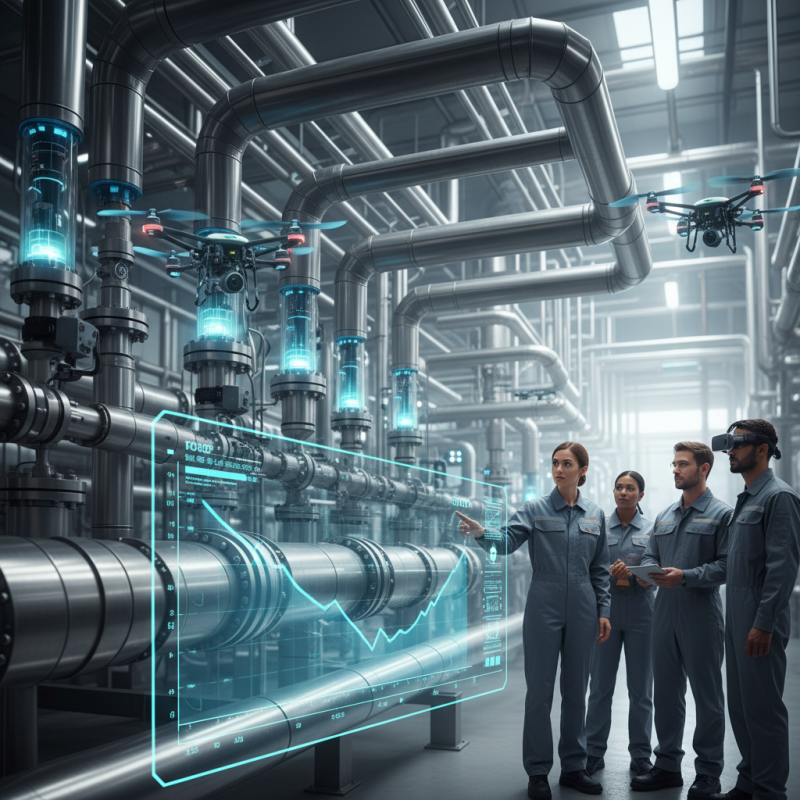
Strategies for Regular Inspection and Monitoring of Piping Systems
Regular inspection and monitoring of piping systems are vital in reducing maintenance costs. A recent study states that
unplanned downtime linked to faulty piping can soar maintenance costs by up to 30%.
Scheduled inspections help identify issues before they escalate. By addressing minor leaks or corrosion early,
companies can avoid major repairs that may require extensive downtime.
Employing advanced monitoring technologies can enhance inspection effectiveness. For example,
ultrasonic testing can detect pipe wall thinning. Real-time monitoring systems can track pressure changes, signaling potential failures.
Data gathered from these inspections allows for better budgeting and resource allocation. According to an industry report, organizations using regular monitoring
see a 20% decrease in overall maintenance costs.
However, consistency in inspections poses challenges. Limited manpower often leads to infrequent checks. Many companies struggle to maintain a routine,
which can create gaps in data. Investing in training and tools for staff is crucial. Overcoming these barriers requires a
cultural shift toward proactive maintenance rather than reactive fixes. This shift can significantly impact long-term operational efficiency.
Implementing Predictive Maintenance Techniques for Cost Efficiency
In 2026, reducing maintenance costs for piping systems can significantly improve operational efficiency. Implementing predictive maintenance techniques is vital. These methods leverage data analytics to forecast when maintenance should occur, minimizing unexpected failures. Using sensors to collect real-time data on piping systems allows for better monitoring. This not only reduces labor costs but also prolongs the life of the system.
Tips for success include establishing clear metrics for performance. Track parameters like temperature and pressure regularly. This will provide insights into potential issues before they escalate. Additionally, train your staff in data analysis. Their expertise can help interpret trends and patterns effectively. Consider integrating machine learning into your maintenance strategy. Such technology can enhance predictive capabilities further.
Don't overlook the importance of a feedback loop. Regularly assessing the effectiveness of your predictive maintenance will help you refine your approach. Learn from any failures or inaccuracies. Continuous improvement is key to achieving long-term cost efficiency. Implementing these strategies thoughtfully can lead to a more reliable piping system and lower overall maintenance costs.
Utilizing Advanced Materials to Minimize Wear and Tear
In 2026, optimizing maintenance costs for piping systems can be significantly achieved by utilizing advanced materials. Reports indicate that nearly 30% of maintenance budgets are spent on material replacement. Switching to advanced composites or alloys can reduce wear and tear, prolonging the lifespan of piping systems.
Advanced materials can withstand higher temperatures and aggressive chemicals. For instance, certain polymer-based composites demonstrate 50% higher corrosion resistance than traditional steel. According to a study by the American Society of Mechanical Engineers, using these materials can cut maintenance costs by up to 20%. This shift leads to fewer shutdowns and lower labor costs, enhancing overall operational efficiency.
Transitioning to innovative materials often requires assessment. Some organizations face initial higher costs in adopting these solutions. However, the long-term savings justify the investment. Teams must weigh the upfront costs against potential savings in maintenance and downtime. This reflection is essential for making informed decisions that align with operational goals.
Investing in Training for Maintenance Staff on Best Practices
Investing in training for maintenance staff is crucial for reducing piping system maintenance costs in 2026. Well-trained personnel can identify issues early, preventing costly repairs. They learn best practices, improving system efficiency. Yet, many organizations overlook this aspect. They assume that technical skills are sufficient. This often leads to costly mistakes and system failures.
Training should not just focus on technical skills. It should also enhance problem-solving abilities. Real-life scenarios should be integrated into training sessions. This helps staff make informed decisions in stressful situations. Investing in simulations can create a hands-on learning experience. Engaging employees encourages them to embrace new techniques. Regular updates on industry standards can keep staff informed of evolving practices.
However, it's essential to reflect on the challenges of training. Budget constraints often hinder ongoing education. Time away from routine duties can disrupt operations. Leaders may struggle to allocate resources effectively. Despite these challenges, the long-term benefits of a well-trained staff can outweigh the initial shortcomings. Investing in people pays off in reduced maintenance costs and increased reliability.
Maintenance Costs for Piping Systems: Impact of Training in 2026
This bar chart illustrates the projected maintenance costs for piping systems over the years 2023 to 2026. As organizations invest in training their maintenance staff on best practices, a significant reduction in costs is expected, particularly from 2025 to 2026, highlighting the value of training in enhancing operational efficiency.
Leveraging Technology for Automated Maintenance Management Solutions
In 2026, reducing maintenance costs for piping systems is crucial. Automated maintenance management solutions offer new opportunities. By utilizing technology effectively, industries can optimize operations and reduce expenses. A recent report highlighted that companies using automated systems experience a 20% decrease in maintenance costs.
Integrating predictive analytics helps organizations foresee issues before they arise. For instance, sensors can monitor pressure and temperature in real-time. By doing so, they can detect anomalies early. This proactive approach reduces the likelihood of costly repairs. Real-world application shows a 15% to 30% decrease in unplanned outages.
**Tips:** Invest in training for staff on new technologies. They must understand how to interpret data effectively. Regularly assess the technology’s performance and make necessary adjustments. One challenge may include overcoming the initial learning curve. Flexibility in adapting to new systems is key for long-term success.
How to Reduce Maintenance Costs for Piping Systems in 2026? - Leveraging Technology for Automated Maintenance Management Solutions
| Aspect |
Current Cost (2023) |
Projected Cost (2026) |
Technology Impact |
| Routine Inspections |
$10,000 |
$6,000 |
Automated drone inspections reduce labor cost |
| Predictive Maintenance |
$15,000 |
$8,000 |
AI analytics prevent major failures |
| Repairs |
$20,000 |
$12,000 |
Remote diagnostics help identify issues early |
| System Upgrades |
$25,000 |
$15,000 |
Smart sensors optimize performance |
Conclusion
To address the challenge of how to reduce maintenance costs for piping systems in 2026, organizations can adopt a multifaceted approach. Regular inspection and monitoring strategies can help identify issues early, preventing costly repairs. Implementing predictive maintenance techniques allows for timely interventions based on data analysis, ensuring that maintenance efforts are both targeted and efficient.
Additionally, the use of advanced materials can significantly minimize wear and tear, extending the lifespan of piping systems. Investing in training for maintenance staff will empower them with best practices, enhancing their ability to handle maintenance tasks effectively. Finally, leveraging technology through automated maintenance management solutions can streamline operations, reducing manual efforts and associated costs. By integrating these strategies, companies can achieve significant reductions in maintenance expenditures while maintaining optimal performance of their piping systems.

 Flowtera Pipe