Finding a reliable pipe supplier is crucial for any business in the construction or manufacturing industry. A dependable supplier ensures that your projects run smoothly and materials meet industry standards. However, navigating the market can be overwhelming. This guide explores how to find a reliable pipe supplier.
When considering how to find a reliable pipe supplier, evaluate their experience and reputation. Look for suppliers with a proven track record. Reviews and testimonials from past clients can provide insights into their reliability. Additionally, assessing their range of products is key. A supplier offering diverse options may better meet your specific needs.
It’s also vital to check certifications and quality standards. Reliable suppliers maintain industry certifications that reflect their commitment to excellence. This can alleviate concerns about product quality. Notably, sometimes suppliers may overpromise. Take time to research and confirm claims. Trust your instincts and remain critical. Finding the right supplier is not just about convenience; it’s about building a partnership for success.
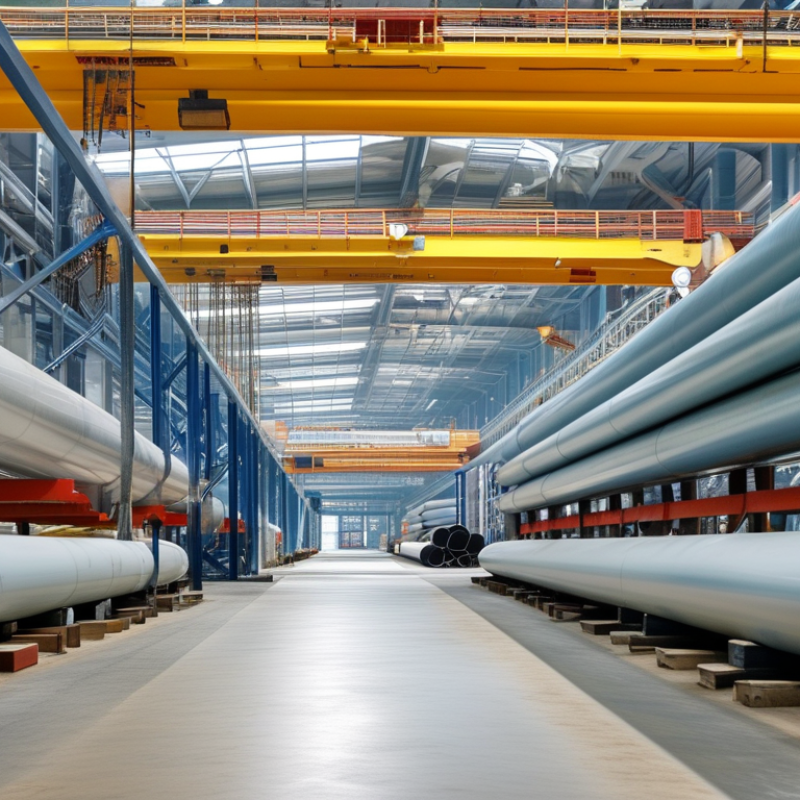
When selecting pipes for your business, understanding your specific needs is essential. Different industries require varying materials, sizes, and standards. For instance, construction may prioritize durability, while food processing focuses on safety and hygiene. Taking the time to analyze these requirements can prevent costly mistakes later on.
Evaluating your environment is vital as well. Environmentally friendly options may appeal to eco-conscious businesses. Identifying the applications of your pipes helps in choosing the right type. Consider factors like pressure ratings and temperature tolerance. If you overlook these details, you could face performance issues or safety hazards.
Also, reflect on the supplier's reliability. It's essential to assess their experience and customer reviews. A long-standing supplier often indicates stability. Be cautious of newer companies that may lack a proven track record. Ensuring that your supplier can consistently meet your specifications is critical for maintaining smooth operations.
When researching potential pipe suppliers, first assess their product range. Suppliers should offer diverse materials like PVC, steel, and copper. Each material has unique benefits for different applications. For instance, PVC pipes are known for their corrosion resistance, while steel pipes provide strength in high-pressure situations. According to industry reports, the global pipe market is projected to reach $82.9 billion by 2027, emphasizing the importance of choosing the right supplier.
Next, look into the supplier’s reputation. Reviews from existing clients can provide insight into reliability. Many sources suggest that about 70% of buyers consider peer reviews crucial. Explore case studies that showcase successful projects using a supplier's products. This can help you gauge their effectiveness in real-life situations, beyond just sales pitches.
Lastly, consider their customer service. A reliable supplier should be responsive and supportive. Poor communication can lead to issues during high-stakes projects. Keep in mind that some suppliers may not meet your expectations initially. They may have great products but lack proper service. Reflecting on these aspects can lead to a better partnership.
When searching for a reliable pipe supplier, evaluating supplier credibility and reputation is crucial. Industry reports indicate that about 70% of businesses prioritize supplier reliability over price. A strong reputation often indicates quality and dependability. Look for suppliers with established histories. Check their track record in terms of on-time delivery and product quality.
Certifications can indicate a supplier's commitment to quality. Many reputable suppliers hold ISO certifications. This assures customers of compliance with international quality standards. It’s also beneficial to read customer reviews. Approximately 75% of businesses rely on peer recommendations and online reviews.
Here are some tips:
When comparing pricing and quality for pipe products, businesses must dig deeper than surface-level costs. Recent industry reports indicate that the price of steel pipe has fluctuated, with an average increase of 15% over the past year. This underscores the importance of assessing what lies behind the price tags. Quality should never be overlooked, as subpar pipes can lead to costly repairs and project delays.
Tip: Always request sample products to evaluate quality first-hand. This helps to avoid pitfalls associated with choosing solely based on price. Look for suppliers who provide detailed specifications and certifications that indicate compliance with industry standards. According to the American Society for Testing and Materials (ASTM), pipes that meet specific quality benchmarks can reduce failure rates significantly.
Don't solely rely on product descriptions; it’s vital to check reviews and ratings from other customers. Gathering feedback on durability and performance ensures you don't overlook any potential issues. An informed choice will protect your investment and guarantee reliability in projects.
Building long-term relationships with reliable pipe suppliers is crucial for business sustainability. According to a recent industry report, companies that foster strong supplier relationships reduce costs by up to 20%. Trust is a key factor. Mutual respect and frequent communication can enhance this trust. Evaluate potential suppliers not just on price, but also on their reliability. A dependable supplier is one who can consistently meet orders without delays.
Flexible terms can indicate a supplier's willingness to work with your business. Look for partners that adapt to changes, especially in fluctuating markets. An analysis shows that 70% of successful businesses prioritize long-term vendor relationships over transactional interactions. These partnerships often result in better service and innovation. Your chosen supplier should understand your industry's challenges and provide solutions accordingly.
Reflect on your current supplier relationships. Are they proactive? Do they seek your feedback? A good supplier does not just react to needs; they anticipate them. Such suppliers can be key to overcoming industry challenges and improving efficiency. Aim for a collaborative approach. Share your goals and challenges openly. It creates a sense of partnership, leading to mutual growth in a fluctuating market.
: Understanding your needs helps prevent costly mistakes later. Different industries have varying material and size requirements.
Evaluate pressure ratings, temperature tolerance, and if the materials are environmentally friendly. These can affect performance.
Check the supplier's experience, customer reviews, and their history of on-time delivery. This indicates stability and quality.
Look for suppliers offering diverse materials like PVC, steel, and copper. Each material serves different application needs.
Customer reviews are crucial. About 70% of buyers consider them when deciding on a supplier's reliability.
Certifications, like ISO, show a supplier's commitment to quality and compliance with international standards. They can be reassuring.
Assess their responsiveness and support during initial inquiries. Poor communication can lead to issues later on.
Yes, a financially secure supplier is more likely to fulfill long-term contracts. This can provide peace of mind for your business.
New suppliers may offer lower prices but could lack a proven track record. This may lead to potential risks in service and quality.
Contacting past clients can provide insights into their satisfaction with the supplier. This can reflect the supplier's reliability and quality.
When considering how to find a reliable pipe supplier for your business needs, it's essential to start by clearly understanding your requirements regarding the type and specifications of pipes you need. This foundational step helps streamline your research into potential suppliers and their specific offerings.
Next, evaluating the credibility and reputation of these suppliers is crucial. Look for customer reviews and industry feedback to ensure they are trustworthy. Additionally, comparing the pricing and quality of their pipe products will help you make informed decisions. Finally, establishing long-term relationships with reputable suppliers can lead to better pricing, consistent quality, and reliable service, ultimately benefiting your business in the long run.

Flowtera Pipe