Transporting and storing steel pipes is critical for many industries. In 2026, the demand for efficiency and safety has never been higher. Expert John Smith, a leading figure in the steel logistics field, emphasizes, "Understanding how to transport and store steel pipes safely is vital to avoid costly damages." His insight highlights the necessity of proper techniques.
Steel pipes, while durable, require careful handling. Improper transportation can lead to dents or structural weaknesses. Safe storage is equally important. Pipes should be stored on level ground away from moisture. Furthermore, experts agree that using proper equipment is essential. All of this contributes to maximizing lifecycle and minimizing risks.
Safety measures are not just about physical conditions. Training personnel is crucial. Employees must understand the potential hazards. Yet, many companies still overlook this step. By improving training and equipment, the industry can enhance safety. This reflection invites us to reevaluate current practices and explore better methods.
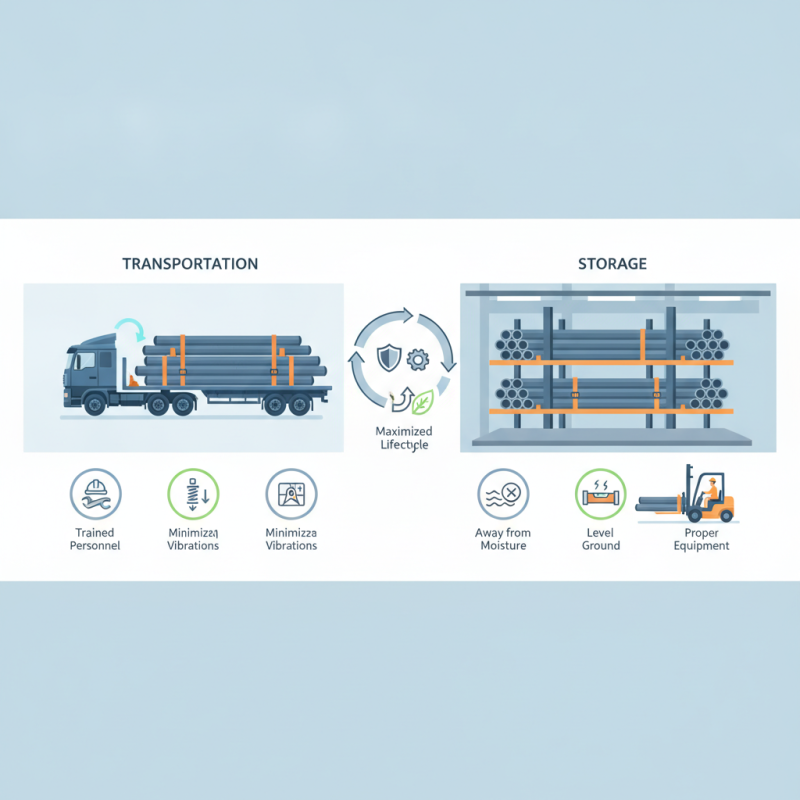
Proper transportation and storage of steel pipes is crucial for several reasons. Steel pipes are heavy and can be damaged if not handled carefully. A single dent or scratch can compromise their integrity, leading to potential issues in the future. To ensure longevity and functionality, it is essential to adopt suitable methods for transporting and storing these materials.
Without proper techniques, accidents can occur. Improvised stacking can lead to pipes rolling off, causing damage or injury. It is vital to use equipment designed for moving heavy objects. Additionally, environmental factors play a role in the durability of steel pipes. Storing them in a dry area reduces the risk of corrosion, a common problem that weakens the material. Covering pipes can further protect them from moisture and environmental elements.
This process may seem straightforward, but lapses in judgment can happen. For example, neglecting to check for rust before storage can lead to significant problems later. Investing time in proper procedures pays off; the right methods prevent future accidents and extend the life of your steel pipes. The significance of careful handling cannot be overstated, as it impacts both safety and financial resources.
Transporting steel pipes requires careful planning and execution. According to industry reports, improper handling can lead to accidents and product damage. Ensuring the pipes are secured properly during transportation is crucial. Using the right materials for securing pipes can prevent them from rolling or shifting, minimizing risks.
When storing steel pipes, avoid direct contact with the ground. Elevating them reduces the chance of corrosion. Continuous exposure to moisture can significantly diminish the pipes' lifespan. Maintain a clean storage area, free from debris that could create trip hazards or cause damage. This will help in maintaining order and ensuring safety.
**Tips:** Use protective covers for outdoor storage. Regularly inspect pipes for signs of damage. Train employees on safe lifting and handling techniques. Investing in proper equipment can enhance safety as well. Remember that neglecting proper procedures can lead to costly mistakes, both financially and logistically. Always evaluate practices regularly for improvement.
| Dimension | Weight (kg) | Recommended Transport Method | Storage Condition | Safety Equipment |
|---|---|---|---|---|
| 48" x 20' pipe | 1500 | Flatbed Truck | Dry, covered area | Hard Hats, Gloves |
| 30" x 10' pipe | 800 | Container truck | Secure, ventilated space | Eye Protection, Safety Boots |
| 24" x 15' pipe | 600 | Flatbed Truck | Dry, elevated platform | Harnesses, Cones |
| 18" x 20' pipe | 500 | Roll-off Truck | Controlled environment | First Aid Kit, Fire Extinguisher |
Storing steel pipes properly is vital to prevent damage and ensure their longevity. First, choose a dry and well-ventilated area. Moisture can lead to rust and corrosion. Ensure the ground is level to avoid bending or warping. Using wooden or plastic pallets is a good idea. They can keep the pipes elevated, reducing direct contact with the ground.
Consider using protective covers. These can shield pipes from dust and moisture. If pipes are stored outside, cover them with heavy-duty tarps, but ensure air can circulate. It’s important to avoid stacking pipes too high. Excess weight can cause lower pipes to buckle over time.
Regularly inspect your stored pipes for any signs of damage. Addressing problems early can save costs and resources later.
Always prioritize safety during transport and storage. Use proper lifting techniques to prevent personal injury. Consider using specialized equipment for loading and unloading pipes. Making small adjustments to your storage practices can significantly improve steel pipe longevity.
Adopting best practices requires ongoing reflection and improvement to align with changing industry standards.
When transporting and storing steel pipes, using the right equipment is crucial. Heavy-duty pipe racks provide excellent stability and can easily support the weight of multiple pipes. Studies show that improper storage can lead to damage. According to industry data, up to 30% of steel pipe damage occurs during handling. Proper handling equipment reduces this risk significantly.
Consider using pipe trolleys or forklifts for transport. They are designed to accommodate the shape and weight of steel pipes, reducing the chances of accidental drops. A report from the Steel Pipe Industry Association indicates that using appropriate lifting gear can decrease injuries related to moving steel by over 40%. Balancing load and securing pipes with straps is also essential.
**Tip:** Always inspect your equipment before use. Make sure there are no signs of wear or damage. Regular maintenance improves safety and reliability.
When storing, avoid direct ground contact. This prevents rust and corrosion. Use plastic spacers or wooden blocks to elevate pipes. This practice extends the life of your materials significantly. Always label pipes with relevant information for easy access.
**Tip:** Keep your storage area organized. It minimizes confusion and the risk of accidents. Having an efficient storage process can save time and costs.
Handling steel pipes requires strict safety measures. Ensure that all personnel wear appropriate personal protective equipment (PPE). This includes gloves, helmets, and steel-toed boots. Using the right footwear prevents injuries from heavy pipes. Always inspect the area for hazards before beginning the task.
Transporting steel pipes demands careful attention. Utilize proper lifting techniques to avoid strains and injuries. Pipes should be secured on a flat surface to prevent rolling. When using machinery, operators must be certified. Regular maintenance checks on equipment also enhance safety.
When storing pipes, avoid stacking them directly on the ground. Use pallets or racks to promote airflow and reduce the risk of corrosion. Regularly check for leaks or damage, ensuring that pipes remain in good condition. Communication among team members is vital. Always discuss the risks and procedures before handling steel pipes.
: Proper transportation prevents damage. Heavy pipes can easily get dented or scratched if mishandled, risking their integrity.
Unsecured pipes can roll or shift, leading to accidents or product damage. This can harm people and equipment.
Store steel pipes in a dry area. Elevate them above ground to minimize direct contact with moisture.
Regularly inspect pipes for rust or damage. Keeping a clean area helps avoid hazards and ensures safety.
Use protective covers to shield pipes from moisture and environmental factors. This helps prolong their lifespan.
Training reduces the risk of injuries and accidents. Proper handling ensures the safety and integrity of steel pipes.
Avoid improvised stacking. It can lead to pipes falling and causing injury or damage.
Neglecting to check for rust is a common mistake that can lead to serious future complications.
Regular evaluation is essential for improvement. It helps prevent costly mistakes and enhances overall safety.
Environmental factors like moisture can weaken pipes. Proper storage conditions are vital for their durability and functionality.
Proper transportation and storage of steel pipes is crucial to ensure their integrity and prevent damage during handling. In learning how to transport and store steel pipes safely, it's essential to follow best practices such as securing the pipes properly during transport to minimize movement and using appropriate support methods. Additionally, the environment where pipes are stored should be carefully selected to avoid exposure to moisture or harsh conditions that could lead to corrosion.
Effective techniques for storing steel pipes include stacking them in a manner that distributes weight evenly and allows for adequate ventilation. Using recommended equipment, such as forklifts or pipe racks, can facilitate safe handling and movement. Lastly, implementing safety precautions while handling steel pipes—such as wearing protective gear and maintaining a clear workspace—ensures the safety of personnel involved in the process. By adhering to these guidelines, one can effectively manage the transportation and storage of steel pipes, safeguarding both the materials and those who work with them.

Flowtera Pipe