Choosing between seamless and welded pipes affects safety, cost, lead time, and long-term maintenance. For global sourcing teams, the decision begins with service conditions, not a supplier’s sales promise. Pressure, temperature, corrosion, diameter, and wall thickness all shape the specification. A seamless pipe is formed without a longitudinal weld, which can support demanding pressure applications. A welded pipe is made from rolled plate or strip, then joined through a controlled welding process. Modern mills can produce reliable welded products when procedures, inspection, and traceability are properly managed. It matters.
The real question is how to choose between seamless and welded pipes for a specific project. Experienced buyers compare manufacturing routes, applicable standards, test certificates, and previous mill performance. They also check ultrasonic testing, hydrostatic testing, dimensional control, and heat-number traceability. These details become practical during receiving inspection, when pipe markings must match the documents. Seamless products may suit high-pressure or cyclic service, but they can cost more and require longer lead times. Welded products often offer broader size availability and competitive pricing, especially for structural or lower-pressure systems. That advantage disappears if weld quality, coating, or logistics are poorly controlled. Not always.
A dependable sourcing plan balances engineering risk with total delivered cost. It should include qualified suppliers, independent inspection where needed, clear acceptance criteria, and realistic delivery schedules. Regional availability also matters, because freight routes, customs documentation, and replacement time can change the economics. One weak assumption can outweigh a low quotation. This guide examines both options with a practical, evidence-based view. It recognizes that no universal winner exists. The strongest choice matches the fluid, design code, operating environment, and verified supplier capability.
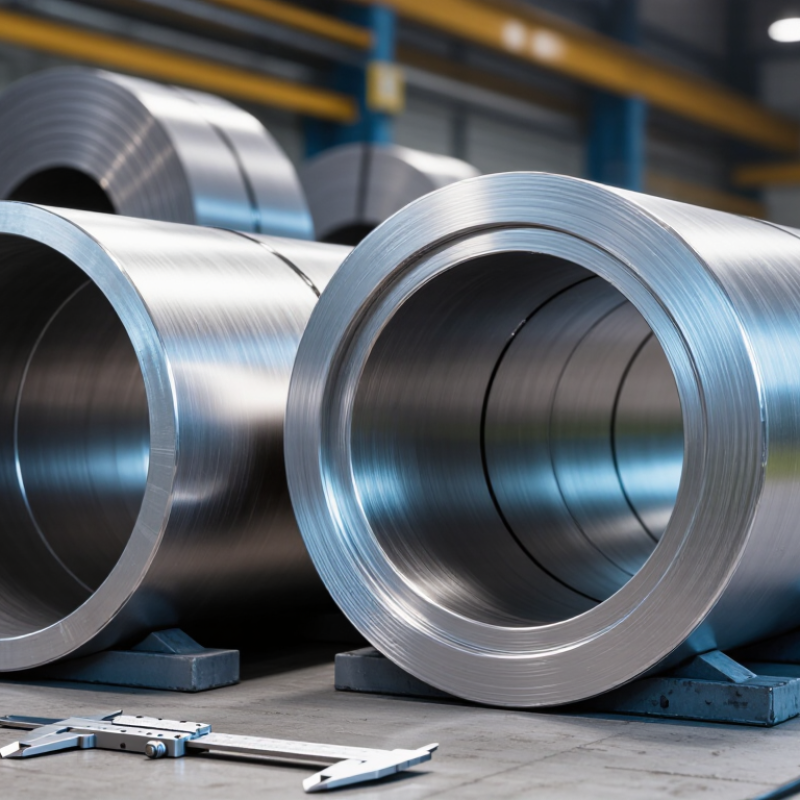
Seamless and welded pipes follow different manufacturing routes, even when their dimensions look similar. ASTM A53 permits both seamless and welded pipe for general mechanical and pressure service. ASTM A106, however, specifies seamless carbon-steel pipe for elevated-temperature applications. That distinction matters during global sourcing.
Seamless pipe begins with a heated billet. A rotary piercing process forms the hollow shell, followed by rolling and sizing. Welded pipe starts from steel strip or plate. Forming creates a round section, then a longitudinal seam is welded and inspected. The World Steel Association reported 1,888 million tonnes of crude steel production in 2023. This huge supply base supports competitive pipe sourcing, but it also creates variation in mills, controls, and documentation.
In practice, buyers should match the route to service conditions. A106 seamless pipe suits demanding heat exposure, while A53 welded pipe can be practical for water, air, and lower-risk mechanical systems. Check chemical limits, tensile results, hydrostatic testing, weld examination, and heat numbers. Independent inspection can expose mismatched certificates before shipment. Small details matter.
The U.S. Geological Survey’s Mineral Commodity Summaries 2024 shows steel remains a globally significant industrial material. Yet production volume is not equal to consistency. I would not trust a low price alone. A neat certificate can still hide poor traceability, and a seamless label does not replace correct dimensional inspection.
For global procurement, ASME B36.10M provides a shared dimensional language for welded and seamless steel pipes. It defines nominal pipe size, outside diameter, schedule, and wall thickness. These references help buyers compare quotations from different regions without relying on vague descriptions. A pipe marked NPS 6, Schedule 40 should point teams toward the same dimensional baseline.
Details matter. A procurement engineer can match the standard to drawings, valve connections, and inspection plans before placing an order. The outside diameter supports fitting compatibility, while the schedule indicates the specified wall thickness range. This reduces confusion during document reviews, warehouse receiving, and field installation. It also helps suppliers prepare clearer mill certificates and dimensional reports.
Still, the standard is not a complete purchasing specification. It does not replace requirements for material grade, length, end finish, testing, corrosion allowance, or applicable project codes. A common mistake is treating “Schedule 40” as sufficient information. It is not. Wall measurements may also vary within permitted tolerances, so inspection should use calibrated tools and agreed sampling methods. In practice, teams should state ASME B36.10M dimensions alongside product, testing, and acceptance requirements. That small discipline prevents expensive corrections at the job site.
| Procurement Dimension | Seamless Pipe | Welded Pipe | Global Sourcing Implication |
|---|---|---|---|
| Pipe Construction and Selection Factors | |||
| Manufacturing route | Produced from a solid billet that is pierced and formed into a tubular product, without a longitudinal weld seam. | Produced from plate, sheet, or strip that is formed and joined along a longitudinal seam by an applicable welding process. | Specify the construction type separately from size, schedule, material grade, and inspection requirements. |
| Typical strength of the supply chain | Often selected for applications requiring high resistance to internal pressure, elevated temperature, or cyclic loading, subject to engineering validation. | Can provide efficient production for a broad range of sizes and wall thicknesses; quality depends on forming, welding, heat treatment, and inspection controls. | Do not treat “seamless” or “welded” alone as a performance guarantee. Confirm the applicable product specification and design code. |
| Dimensional consistency | Dimensional control depends on the manufacturing process, size range, heat treatment, and finishing operations. | Dimensional control includes outside diameter, wall thickness, ovality, straightness, and weld-seam control. | Using standardized NPS and schedule designations reduces interpretation differences between buyers and suppliers. |
| Large-diameter sourcing | Availability can be more limited for some large outside diameters and heavy wall combinations. | Often provides broad production flexibility for large diameters, subject to the selected manufacturing standard and supplier capability. | For large projects, compare qualified production routes, minimum order quantities, lead time, and inspection scope. |
| Weld-seam consideration | No longitudinal weld seam is present. | The longitudinal seam requires the specified welding procedure, examination, and acceptance criteria. | Purchase documents should identify weld examination, hydrostatic or nondestructive testing, and any supplementary requirements. |
| Cost and lead-time planning | May involve higher material or production costs for certain sizes and grades, depending on market conditions. | May offer production and material-efficiency advantages for selected sizes, but actual cost depends on grade, wall thickness, quantity, and testing. | Request comparable quotations using the same NPS, schedule, length, grade, quantity, tolerances, and documentation requirements. |
| Recommended specification approach | State “seamless” together with the governing product specification and required inspection documentation. | State “welded” together with the governing product specification, welding requirements, and inspection documentation. | ASME B36.10M defines dimensional conventions; it does not by itself establish material chemistry, mechanical properties, or complete acceptance criteria. |
| ASME B36.10M Reference Dimensions — Selected Examples | |||
| NPS 1/2 | Outside diameter: 0.840 in (21.3 mm) | Schedule 40 wall: 0.109 in (2.77 mm); Schedule 80 wall: 0.147 in (3.73 mm) | |
| NPS 1 | Outside diameter: 1.315 in (33.4 mm) | Schedule 40 wall: 0.133 in (3.38 mm); Schedule 80 wall: 0.179 in (4.55 mm) | |
| NPS 2 | Outside diameter: 2.375 in (60.3 mm) | Schedule 40 wall: 0.154 in (3.91 mm); Schedule 80 wall: 0.218 in (5.54 mm) | |
| NPS 4 | Outside diameter: 4.500 in (114.3 mm) | Schedule 40 wall: 0.237 in (6.02 mm); Schedule 80 wall: 0.337 in (8.56 mm) | |
| NPS 6 | Outside diameter: 6.625 in (168.3 mm) | Schedule 40 wall: 0.280 in (7.11 mm); Schedule 80 wall: 0.432 in (10.97 mm) | |
| NPS 8 | Outside diameter: 8.625 in (219.1 mm) | Schedule 40 wall: 0.322 in (8.18 mm); Schedule 80 wall: 0.500 in (12.70 mm) | |
| NPS 12 | Outside diameter: 12.750 in (323.9 mm) | Schedule 40 wall: 0.375 in (9.53 mm); Schedule 80 wall: 0.500 in (12.70 mm) | |
| NPS 24 | Outside diameter: 24.000 in (609.6 mm) | Schedule 40 wall: 0.562 in (14.27 mm); Schedule 80 wall: 0.969 in (24.61 mm) | |
| Standardized Data Fields for a Global Purchase Order | |||
| Size designation | Nominal Pipe Size (NPS) | Use NPS together with the outside diameter and schedule; do not rely on nominal size alone for dimensional verification. | |
| Wall designation | Schedule number or specified wall thickness | Confirm the actual minimum, nominal, or permitted tolerance basis required by the applicable product specification. | |
| Material and product standard | Material grade and applicable ASTM, ASME, or other project-approved product specification | ASME B36.10M is a dimensional standard and should be listed alongside, not instead of, the material/product standard. | |
| Length and end finish | Random length, fixed length, plain end, beveled end, threaded end, or other specified configuration | Define length range, end preparation, thread requirements, protective treatment, and packaging instructions. | |
| Inspection and documentation | Inspection certificate, dimensional report, hydrostatic or nondestructive testing, and traceability records as required | Final acceptance must follow the purchase specification, applicable product standard, engineering design code, and agreed inspection plan. | |
| Reference note: The dimensions shown are selected nominal examples from ASME B36.10M conventions. Inch-to-millimetre values are rounded conversions. Always verify the current edition of the standard and the complete product specification before placing an order. | |||
For global sourcing, pressure performance starts with the specification, not the pipe label. API 5L and ISO 3183 define requirements for line pipe, including grades, PSL levels, dimensions, testing, and acceptance criteria. A buyer should state diameter, wall thickness, grade, PSL, delivery condition, and supplementary requirements before requesting quotations. Pressure class alone is insufficient. The design code and service environment still control selection.
Seamless pipe removes a longitudinal weld, but it is not automatically stronger in every service. Manufacturing can create eccentric walls, inclusions, laps, or local thinning. Welded pipe requires close attention to seam quality, heat input, alignment, and weld repair controls. Specified inspections may include hydrostatic testing, ultrasonic examination, radiographic examination, dimensional checks, and tensile or impact testing. For PSL2 applications, traceability and documented test results deserve particular scrutiny. A seamless label is not a defect certificate.
During supplier audits, compare mill certificates with heat numbers, inspection reports, and actual markings on bundles. Review how the manufacturer identifies laminations, cracks, undercut, lack of fusion, and unacceptable weld repairs. Ask whether NDT covers the full seam or only selected areas. That detail can change risk. Hydrostatic acceptance does not reveal every internal imperfection. A welded option may offer better size availability and cost, while seamless pipe may simplify seam-related inspection. Neither route should be approved without matching the exact API 5L or ISO 3183 purchase requirements. Project assumptions sometimes overlook temperature, sour service, or cyclic loading.
Pressure and Defect Requirements in API 5L and ISO 3183 Applications
The chart shows the nominal minimum yield strength for widely specified API 5L and ISO 3183 line pipe grades. The values are standard grade requirements and are not company-specific data.
Seamless and welded pipes can both be supplied to the same specified grade. Neither API 5L nor ISO 3183 assigns one universal pressure rating to a manufacturing route. Allowable pressure depends on outside diameter, wall thickness, material grade, operating temperature, design factor, and the applicable design code.
For welded pipe, sourcing specifications normally place additional emphasis on longitudinal weld qualification and full-length seam inspection. Seamless pipe has no longitudinal weld, but its pipe body still requires the applicable dimensional, hydrostatic, and nondestructive examination controls. Both product forms must meet the specified hydrostatic test and acceptance requirements.
Why Choose Seamless or Welded Pipes for Global Sourcing?
Cost, lead time, and size often decide the pipe route. Welded pipe usually offers better value in large diameters. Its manufacturing process uses steel plate or coil efficiently. Seamless pipe removes the weld seam, but that advantage often increases production cost. It can matter for high pressure, severe temperature, or critical service. However, seamless is not automatically safer. Design pressure, wall thickness, material grade, and inspection requirements must guide the decision.
Global logistics adds another variable. UNCTAD’s Review of Maritime Transport reports that over 80% of world merchandise trade moves by sea. A port delay can therefore outweigh a small factory-price saving. The World Steel Association’s 2024 outlook placed global steel demand near 1.75 billion tonnes, showing how strongly mills and freight networks influence availability. Large welded sizes may be easier to schedule, while unusual seamless dimensions can require longer rolling queues. That is not guaranteed. It needs written confirmation.
Tips: Ask suppliers for production slots, not only quoted lead times. Compare landed cost, including testing, packing, inland freight, and port handling. Request mill certificates and non-destructive testing records. For welded pipe, inspect seam quality and repair limits. For seamless pipe, verify dimensional tolerances. A useful sourcing sheet should compare at least three sizes and two delivery routes. My own review would challenge any quote that looks unusually cheap. Something may be missing.
For global sourcing, the pipe choice starts with service conditions, but supplier verification protects the purchase. Seamless pipes suit demanding pressure applications without a welded seam. Welded pipes can offer efficient production and consistent dimensions. Neither option should be accepted on appearance alone.
An EN 10204 3.1 certificate connects the material to a specific order. Check the heat number, pipe grade, dimensions, and delivery condition. Match these details with pipe markings, packing lists, and purchase specifications. The certificate should show chemical analysis and mechanical test results. Hydrostatic testing and non-destructive examination data may also apply. Confirm the issuing authority and approval details carefully.
Paperwork can be misleading when traceability breaks. A clear scan is not enough. Request original digital files and compare test values with the agreed standard. Inspection data should identify sample locations, test methods, equipment status, and acceptance limits. Independent inspection can add confidence, especially for critical projects. Yet inspection is not perfect. Sampling may miss isolated defects. I have seen teams focus on certificates while ignoring damaged markings and mixed bundles. A simple dimensional check can reveal more than expected. Record wall thickness at several points, inspect bevels, and photograph each heat number before shipment. Suppliers who answer technical questions precisely usually demonstrate stronger process control. Suppliers who avoid specific evidence deserve closer review.
State diameter, wall thickness, grade, inspection level, delivery condition, and extra requirements. Pressure class alone is insufficient. Include temperature and service conditions.
No. Seamless pipe removes the longitudinal weld, but manufacturing may create eccentric walls or local thinning. Welded pipe can perform well when its seam is controlled. The application decides.
Common checks include hydrostatic testing, ultrasonic examination, radiographic examination, and dimensional inspection. Tensile and impact tests may also apply. Testing must match the purchase specification.
Compare mill certificates, heat numbers, inspection reports, and bundle markings. The numbers should match. Review how the supplier detects cracks, laminations, undercut, and incomplete fusion.
Some suppliers inspect the entire seam, while others inspect selected areas only. That difference can change risk. Ask for clear coverage records.
No. Hydrostatic testing confirms pressure resistance under test conditions. It may not reveal every internal imperfection. Additional non-destructive testing remains important.
Welded pipe often suits large diameters, where plate or coil production improves material use. It may offer shorter lead times and lower cost. Confirm availability in writing.
Compare landed cost, not factory price alone. Include testing, packing, inland freight, port handling, and ocean transport. A cheap quote may hide something.
They may require longer rolling queues and less common production schedules. Ask for confirmed production slots, not vague lead times. Schedules can change.
Review traceability, documented test results, temperature, sour service, and cyclic loading. A seamless label is not a defect certificate. Assumptions deserve another look.
Choosing the right pipe for global sourcing requires a balanced review of manufacturing method, technical performance, cost, and documentation. Seamless pipes, produced without a longitudinal weld, are often selected for demanding pressure or temperature conditions, while welded pipes can provide efficient production, broader size availability, and attractive pricing. Under ASTM A53 and A106, buyers should compare manufacturing routes, chemical composition, mechanical properties, and testing requirements. ASME B36.10M dimensions also help maintain consistent outside diameters, wall thicknesses, and schedules across international suppliers.
For pipeline applications covered by API 5L and ISO 3183, pressure ratings, weld quality, inspection procedures, and defect acceptance criteria are essential considerations. Lead time, order quantity, available sizes, transportation, and project pressure requirements all influence the final decision. To understand how to choose between seamless and welded pipes, buyers should evaluate total procurement value rather than unit price alone. Supplier verification should include EN 10204 3.1 certificates, traceability records, dimensional checks, chemical analysis, mechanical test results, and relevant non-destructive inspection data.

Flowtera Pipe