Why Is Selecting the Right Pipe Size Critical for Industrial Systems?

Time:2026-08-28 Author:Madeline
0%

Selecting the right pipe size is vital for industrial systems. It ensures efficient flow and minimizes energy loss. According to industry expert Dr. Lisa Thompson, “The impact of improper pipe sizing can lead to operational inefficiencies.” Her words resonate with many engineers in the field.

When considering how to select pipe size for industrial systems, several factors come into play. These include fluid type, pressure, and temperature. Each parameter influences the overall efficiency of the system. A miscalculation can result in excess costs and potential system failures.

Understanding the nuances of pipe sizing is crucial. Engineers must balance various elements to achieve optimal performance. It's not simply about following a formula; real-world variables often complicate decisions. Experience and careful analysis are necessary to navigate this complexity. Each choice matters in the long run.
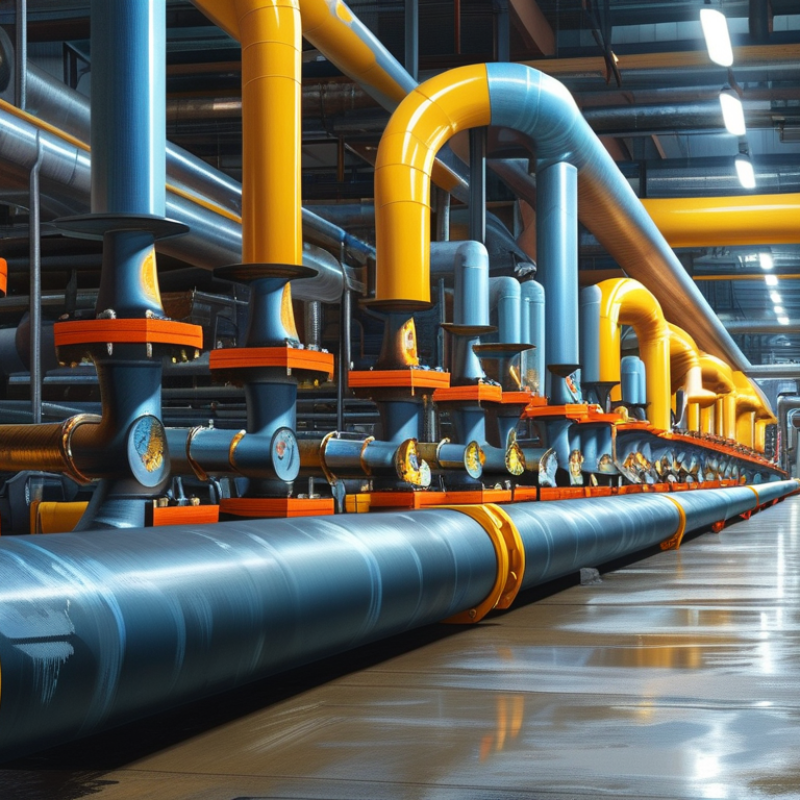
Why Is Selecting the Right Pipe Size Critical for Industrial Systems?

The Importance of Pipe Size in Ensuring Optimal Flow Rates in Industrial Systems

Choosing the right pipe size is crucial for optimal flow rates in industrial systems. Underestimating the needed diameter can lead to inadequate performance. A pipe that is too small restricts fluid movement. This can cause pressure drops and reduce system efficiency. On the contrary, oversized pipes may seem like a safe bet, but they can also lead to slow flow rates. An imbalance here complicates fluid dynamics, leading to potential operational issues.

Consider a scenario where a facility uses water for cooling. If the pipes are too narrow, the pump works harder to maintain flow rates. This can increase energy costs and shorten the pump's lifespan. Conversely, large pipes can create dead zones, where water stagnates. Stagnant water fosters growth of harmful microbes. Such issues highlight the need for precise calculations.

Pressure changes drastically affect systems. Inaccurate sizing leads to unexpected maintenance costs. A thorough assessment of the system's requirements is essential. A focus on flow rates, pressure drops, and system dynamics ensures a balanced approach. Each detail matters, as an oversight can result in costly mistakes. Therefore, careful planning and expertise in pipe sizing cannot be overlooked in industrial operations.

Why Is Selecting the Right Pipe Size Critical for Industrial Systems?

The graph above illustrates the flow rates associated with different pipe sizes in an industrial application. Proper selection of pipe size ensures optimal flow rates, minimizing energy loss and preventing bottlenecks, ultimately leading to improved operational efficiency.

Understanding the Relationship Between Pipe Diameter and Pressure Loss

Selecting the right pipe size is crucial for optimizing industrial systems. The diameter of a pipe affects pressure loss significantly. When fluid moves through a pipe, it experiences resistance. If the diameter is too small, velocity increases, leading to greater turbulence and energy loss. Consequently, larger diameter pipes can reduce these losses and improve overall efficiency.

Ensuring the right diameter balances cost and performance. A wider pipe can reduce pressure loss, but it also increases material and installation costs. This decision involves trade-offs that require careful evaluation. Accurate calculations are key to preventing future issues such as pump failure or system inefficiencies.

Consider the fluid type. For viscous fluids, larger pipes are essential to minimize pressure drops. Ensure your calculations account for flow rates and pipe length. Rethink existing systems occasionally. Existing pipe sizes might not meet updated demands or fluid characteristics.

Remember, efficiency is not solely about size. The entire system's design impacts performance. Regular maintenance can identify leaks or clogs, which might exacerbate pressure losses. A proactive approach to monitoring can prevent costly downtimes and ensure smoother operations in industrial settings.

Why Is Selecting the Right Pipe Size Critical for Industrial Systems? - Understanding the Relationship Between Pipe Diameter and Pressure Loss

Pipe Diameter (inches) Flow Rate (GPM) Pressure Loss (psi/100 ft) Velocity (ft/s)
2 50 5 6.0
3 100 2.5 9.0
4 150 1.2 10.5
6 300 0.8 12.0
8 500 0.5 14.0

Analyzing the Impact of Pipe Sizing on Energy Efficiency and Operational Costs

Selecting the right pipe size can significantly influence energy efficiency and operational costs in industrial systems. Proper sizing helps to maintain optimal flow rates, reducing friction losses. When pipes are too small, pressure drops increase, leading to greater energy consumption. Conversely, oversized pipes can lead to longer reaction times and wasted resources.

A common oversight is the miscalculation of required flow capacity. Many engineers underestimate the importance of adhering to industry standards. Ignoring these can escalate costs over time. Always perform fluid dynamic assessments to determine ideal pipe diameters for specific applications. Pipe materials also matter; choose options that minimize energy loss to optimize performance.

When evaluating pipe size, think about long-term impacts. Inadequate sizing affects not only energy consumption but can also lead to increased wear and tear. Monitor system performance regularly and adjust as necessary. Balancing pipe diameter and energy efficiency may require reevaluation. Be open to making changes based on operational data and feedback.

Standards and Guidelines for Pipe Sizing in Various Industrial Applications

Selecting the right pipe size is vital for ensuring efficient fluid transport in industrial systems. Various standards and guidelines govern pipe sizing to achieve optimal performance. For instance, the American Society of Mechanical Engineers (ASME) provides definitive codes to guide engineers in selecting appropriate pipe diameters based on fluid characteristics and flow rates. Using these guidelines can significantly reduce energy costs, which can account for up to 30% of a facility's operational expenses.

In specific applications, such as chemical processing or power generation, the implications of incorrect pipe sizing can be severe. Pipes that are too small can lead to increased friction and pressure drop, reducing flow efficiency. Conversely, oversized pipes can result in higher costs and unnecessary complexities in system design. The Hydraulic Institute's data suggests that fluid velocity should typically remain between 3 to 8 feet per second to ensure manageable pressure levels. If not adhered to, this can lead to wear and tear on the system, increasing maintenance costs.

Choosing the correct pipe size remains a challenge. Many professionals overlook standard guidelines, believing experience suffices. However, even seasoned engineers occasionally make errors in judgment. Suboptimal sizing decisions can introduce inefficiencies, impacting overall system reliability. For example, a study revealed that improperly sized piping systems could decrease overall plant efficiency by as much as 15%. Addressing these issues requires ongoing education and adherence to established industry standards.

Common Mistakes in Pipe Size Selection and Their Consequences on Performance

Selecting the right pipe size is essential for maintaining the efficiency of industrial systems. Many engineers overlook this aspect during design and installation phases. A common mistake is choosing a pipe diameter that is too small, which can lead to increased pressure drops. This results in higher energy costs. On the other hand, oversized pipes can cause sluggish flow rates and may lead to sediment accumulation. Each scenario can significantly affect system performance.

Another frequent error is neglecting to account for changes in temperature and pressure. These factors influence fluid dynamics within the pipe. If these variations are not considered, the entire system can face unexpected failures. Over time, this may lead to costly repairs and extended downtime. Properly sizing pipes not only optimizes flow but also enhances the system's longevity.

Lastly, some engineers may rely too heavily on general guidelines without analyzing specific system requirements. This can result in underperformance and wasted resources. Regular auditing and adjustments of maintained systems can help identify these mistakes. An emphasis on precise calculations and testing will promote a more reliable pipeline infrastructure. Adjustments based on real-time data create opportunities for improvement and efficiency.

FAQS

: What impact does pipe sizing have on energy efficiency?

: Proper pipe sizing helps maintain optimal flow rates and reduces friction losses.

What happens if pipes are too small?

Small pipes increase pressure drops, which leads to higher energy consumption.

How can oversized pipes affect a system?

Oversized pipes can cause longer reaction times and wasted resources.

Why is flow capacity calculation important?

Underestimating flow capacity can escalate costs over time and disrupt system efficiency.

What role do materials play in pipe selection?

Choosing materials that minimize energy loss can significantly improve overall performance.

How should engineers account for temperature and pressure changes?

Ignoring these factors may lead to fluid dynamics issues and costly failures.

What is a common mistake engineers make during design phases?

Relying too heavily on general guidelines without considering specific system needs can lead to inefficiencies.

How often should system performance be monitored?

Regular monitoring allows for adjustments and helps in maintaining system efficiency.

What can happen if adjustments are not made based on operational data?

Failing to adjust can result in underperformance and wasted resources over time.

How important is it to conduct fluid dynamic assessments?

It's crucial for determining ideal pipe diameters and ensuring long-term efficiency.

Conclusion

Selecting the right pipe size is crucial for the efficiency and performance of industrial systems. Optimal flow rates are directly influenced by pipe diameter, underscoring the importance of understanding how to select pipe size for industrial systems. A properly sized pipe minimizes pressure loss, which is essential for maintaining system performance and ensuring that processes run smoothly. Moreover, appropriate pipe sizing significantly impacts energy efficiency and operational costs, making it a key factor in system design.

To achieve optimal performance, it's essential to adhere to established standards and guidelines tailored for various industrial applications. Common mistakes in pipe size selection can lead to severe consequences, including reduced flow efficiency and increased operational costs. By gaining a clear understanding of these factors, engineers and operators can avoid pitfalls and ensure their systems operate at peak efficiency.

Madeline

Madeline

Madeline is a dedicated marketing professional with a wealth of expertise in our company's core offerings. With a keen understanding of the industry, she brings a unique perspective to her role, consistently delivering high-quality content that highlights the superior aspects of our products. As......