In the realm of sanitary applications, the choice of materials is crucial. Industries prioritize hygiene and safety to ensure product integrity. Why stainless steel is preferred for sanitary applications is a question that has garnered ample attention. This metal offers unique benefits that enhance cleanliness and efficiency.
Stainless steel is inherently resistant to corrosion and bacteria. Its smooth surface minimizes contamination risks. Unlike other materials, stainless steel does not easily harbor harmful pathogens. This characteristic ensures high standards in food processing and medical settings. The durability of stainless steel also contributes to its reliability. It withstands the rigors of frequent cleaning and sterilization.
However, it is essential to consider some drawbacks. While stainless steel is robust, it can be more expensive than alternatives. Some users question its thermal conductivity. These factors require careful evaluation. Nevertheless, the advantages of stainless steel often outweigh the challenges. Its commitment to sanitation and safety makes it a trusted choice for many industries.
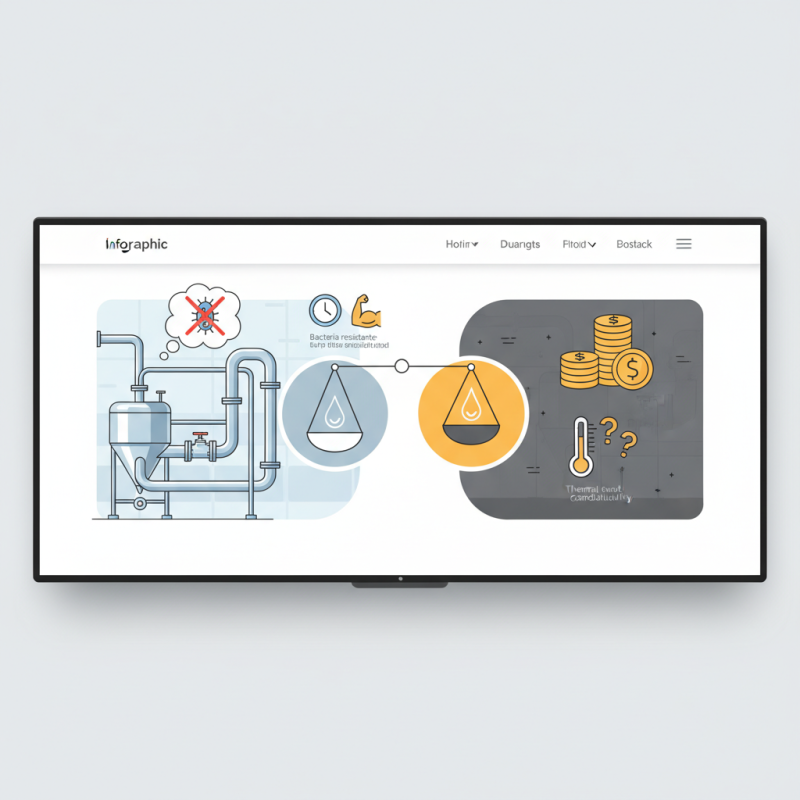
Stainless steel is widely recognized for its exceptional hygienic properties. One of its most significant advantages is its non-porous surface. Bacteria and contaminants struggle to cling to stainless steel surfaces. This feature makes cleaning much more effective. Regular cleaning protocols can easily remove residues without worrying about contamination.
Another critical property is its resistance to corrosion. In sanitary environments, exposure to water and chemicals is common. Stainless steel withstands these conditions, ensuring longevity and functionality. Unlike other materials, it does not degrade over time. This durability supports consistent hygiene practices, especially in food processing and healthcare.
While stainless steel shines in many applications, there are challenges. Scratches or dents can harbor bacteria if not addressed. Regular maintenance is crucial to prevent this. Reflection on the care required for stainless steel is essential. Proper training on cleaning and maintenance protocols can enhance its hygienic benefits. By recognizing its strengths and weaknesses, facilities can achieve optimal sanitation in their operations.
Stainless steel stands out as the premier choice for sanitary applications, mainly due to its superior resistance to corrosion and bacteria. Unlike materials like plastic or aluminum, stainless steel does not react with chemicals or food, making it safer for food preparation and medical equipment. The smooth surface of stainless steel means it is easier to clean and maintain. In comparison, other materials often have porous surfaces that can harbor bacteria.
Tips for choosing materials: look for those that meet hygiene standards. Stainless steel complies with both FDA and USDA regulations. This makes it reliable in various sanitary applications. While it provides excellent durability, it's worth noting that some stainless steel grades can be more susceptible to scratches. This can create hidden spaces for bacteria. Regular inspection is crucial.
Another factor to consider is cost. Stainless steel may initially be pricier than plastic or wood, but its longevity justifies the investment. It often requires less frequent replacement, making it cost-effective over time. Evaluate your specific sanitation needs when making a material choice. Remember, the right material can significantly impact health and safety outcomes.
Stainless steel has become the go-to material in the food and beverage industries due to its unique properties. It is non-reactive, which means it does not alter the taste of products. Reports indicate that nearly 70% of food processing equipment is made from stainless steel. This figure highlights the widespread reliance on this material.
Additionally, stainless steel is highly durable and resistant to corrosion. In environments where hygiene is crucial, its longevity makes it an ideal choice. A recent study showed that stainless steel surfaces can reduce bacterial growth by up to 99.9%. However, frequent cleaning is necessary to maintain these levels. Some facilities struggle with this, leading to possible lapses in hygiene.
Moreover, the aesthetic appeal of stainless steel cannot be overlooked. It gives equipment a modern look and helps in brand perception. Yet, not all stainless steel is created equal. Different grades exist, and choosing the right one is vital for different applications. The choice can directly impact performance and safety. Understanding these nuances is crucial for industry players aiming for compliance and quality assurance.
| Application | Material Type | Corrosion Resistance | Temperature Tolerance | Cleanability |
|---|---|---|---|---|
| Beverage Processing | 304 Stainless Steel | Excellent | -196°C to 870°C | High |
| Food Processing | 316 Stainless Steel | Excellent | -196°C to 870°C | Very High |
| Pharmaceutical Manufacturing | 2205 Duplex Stainless Steel | Outstanding | -50°C to 150°C | Exceptional |
| Brewing Equipment | 304 Stainless Steel | Good | -196°C to 870°C | High |
| Dairy Processing | 316L Stainless Steel | Excellent | -196°C to 870°C | Very High |
Stainless steel surfaces are crucial in sanitary applications due to their non-porous nature. This characteristic prevents bacteria buildup. Regular maintenance and cleaning are essential to uphold hygiene standards. Simple daily cleaning with warm water and mild detergent can keep surfaces clean. Use a soft cloth to avoid scratching. Tougher stains might require a diluted bleach solution.
It’s vital to dry the surfaces immediately after cleaning. Water spots can lead to rust, undermining the steel’s purpose. Be cautious with abrasive cleaners, as they can damage the finish. Routine inspections help identify any wear and tear. Noticing discrepancies early can prevent costly repairs later.
Educating staff about proper cleaning techniques is also vital. Misunderstandings can lead to inefficient practices. Reinforce the importance of keeping stainless steel in optimal condition. This awareness fosters a culture of maintenance. Ultimately, consistent care is key to leveraging stainless steel's durability for sanitary applications.
Stainless steel plays a crucial role in sustainable practices within sanitary applications. Its recyclability greatly reduces environmental impact. According to the International Stainless Steel Forum, over 85% of stainless steel can be recycled. This not only conserves raw materials but also minimizes energy consumption during production. Recycling stainless steel uses only about 30% of the energy required to create new steel, significantly lowering greenhouse gas emissions.
While stainless steel is durable, its production process has room for improvement. For instance, the extraction of raw materials can be resource-intensive. The mining and processing of nickel, a key ingredient, often lead to soil and water disruptions. However, companies are exploring more environmentally friendly methods. Advanced technologies in stainless steel production aim to reduce waste and energy use.
Consumers often overlook the long-term benefits of using stainless steel. Its longevity results in less frequent replacements, reducing waste in the long run. A study indicated that 60% of environmental impacts occur during a product's lifecycle. Understanding the full impact can influence choices towards more sustainable options. The challenge remains in balancing production efficiency with environmental responsibility.
: Stainless steel resists corrosion and bacteria better than plastic or aluminum. Its non-reactive nature makes it safer.
Look for materials that comply with hygiene standards. Stainless steel meets FDA and USDA regulations.
Yes, it might cost more initially, but its durability leads to cost-effectiveness over time.
Use warm water and mild detergent daily. A soft cloth prevents scratches from cleaning.
Dry surfaces immediately after cleaning. Water spots can lead to rust.
Yes, over 85% of stainless steel is recyclable, significantly reducing environmental impact.
Certain grades can be prone to scratches, which may hide bacteria. Regular inspections are necessary.
Its production can be resource-intensive, especially nickel extraction, but advancements are reducing waste.
Regular care is crucial to extend the material's lifecycle and maintain hygiene standards.
Its longevity leads to fewer replacements, reducing overall waste and environmental impact.
Stainless steel is preferred for sanitary applications due to its unique properties that enhance hygiene and sanitation. Its resistance to corrosion, high temperatures, and ability to withstand various cleaning agents make it an optimal choice for environments requiring stringent cleanliness standards. Comparing stainless steel to other materials, it consistently demonstrates superior performance in preventing bacterial growth and contamination, making it indispensable in food and beverage industries.
Moreover, stainless steel applications extend beyond mere functionality; they contribute to sustainability with a long lifecycle and recyclability. Proper maintenance and cleaning practices further ensure that stainless steel surfaces remain hygienic, thereby promoting a safer environment. Overall, understanding why stainless steel is preferred for sanitary applications reveals its significant role in maintaining health standards across various industries.

Flowtera Pipe