Selecting pipes for oil and gas applications is a critical task that requires careful consideration. The right pipes ensure safety, efficiency, and longevity in some of the world’s most demanding environments. Factors like material, pressure ratings, and corrosion resistance play a vital role. Therefore, understanding how to select pipes for oil and gas applications is essential for any professional in the field.
Experienced engineers recognize the complexity of this decision. The diverse operating conditions of oil and gas wells vary widely. This variability can influence the lifespan and performance of the pipes used. Different materials offer distinct benefits, and a wrong choice may lead to costly failures. Additionally, not all suppliers provide the same quality, further complicating the selection process.
Reflecting on past choices can foster improvement. Analyzing previous projects reveals patterns and areas needing change. Each selection made can serve as a learning opportunity. This ongoing evaluation supports better decision-making for future applications. Careful consideration and a focused approach will ultimately lead to better results in the field of oil and gas.
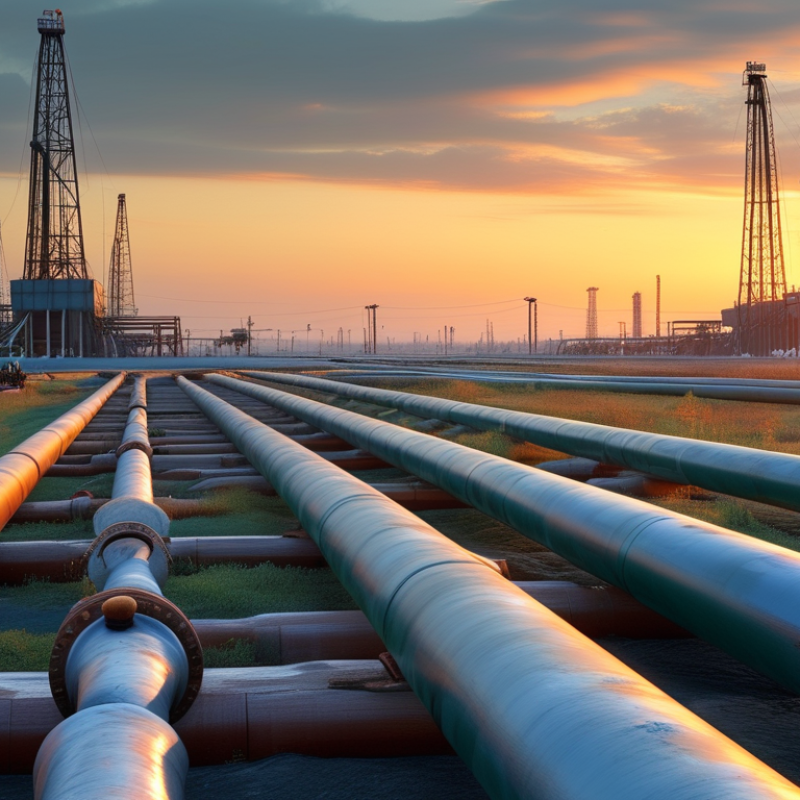
When selecting pipes for oil and gas applications, the choice of material is crucial. Corrosion resistance is a primary concern. According to the NACE International report, corrosion costs the oil and gas industry approximately $1.3 trillion annually. This highlights the need for materials that can withstand harsh environments. Stainless steel and carbon steel are often considered for their adaptability and strength.
Temperature and pressure ratings also play a key role in material selection. Pipes must be able to endure extreme conditions. For example, API 5L specifies requirements for line pipes commonly used in the industry. Engineers often refer to this and other standards to ensure safety and reliability. The selection of pipe materials is not merely a technical decision; it reflects compliance with industry norms and operational demands.
Sustainability is increasingly influencing material choice. With the rise of eco-friendly practices, companies are exploring materials that minimize environmental impact. For instance, recycled materials are gaining traction. However, the performance of these materials under stress and corrosion still requires thorough evaluation. Balancing innovation with reliability remains a challenge in selecting the right pipe materials.
When selecting pipes for oil and gas applications, understanding pressure ratings is crucial. These ratings indicate the maximum pressure a pipe can handle without failure. Choosing the right pressure rating ensures safety and efficiency in operations. In many cases, higher pressure ratings also mean thicker walls, which may increase costs.
Pressure ratings are determined by various factors, including material type, temperature, and the fluid being transported. For instance, carbon steel may have different ratings compared to stainless steel. Operators need to assess the specific conditions of their application. Not all environments are the same; corrosive substances can compromise pipe integrity.
Reflecting on real-world cases, oversights in pressure rating selection have caused significant setbacks. There have been incidents where inadequate ratings led to leaks or even ruptures. Such failures highlight the need for thorough analysis and caution during selection. The future of pipeline safety hinges on meticulous attention to these details.
Selecting the right pipes for oil and gas applications is crucial. Corrosion resistance plays a vital role in ensuring the longevity of pipeline systems. For optimal performance, consider the material of the pipes. Stainless steel and high-density polyethylene are known for their resistance to harsh environments. These materials can withstand significant corrosion, prolonging the life of your pipeline.
Another important tip is to assess the chemical composition of the fluids. Different materials react distinctively to various chemicals. Understanding how your pipeline will interact with the transported substances is essential. This knowledge can prevent unexpected failures and costly repairs.
Lastly, regular inspections and maintenance cannot be overlooked. No matter how robust the material, eventual wear and tear occur. Establishing a routine for checking the integrity of the pipes ensures any potential issues are caught early. This proactive approach can save significant resources in the long run.
This chart illustrates the corrosion resistance ratings of various pipe materials commonly used in oil and gas applications, helping to inform selection for longevity in pipeline systems.
In oil and gas applications, temperature tolerance is critical for pipe material selection. Conditions can reach extreme levels. According to the American Society of Mechanical Engineers (ASME), high temperatures drastically affect material properties. For instance, carbon steel pipes can lose significant strength when subjected to temperatures above 400°F. This heat can lead to premature failure, risking safety and operations.
Using materials like stainless steel can enhance temperature tolerance. A report from the International Journal of Oil, Gas and Coal Technology highlights that stainless steel can withstand temperatures up to 1400°F without losing structural integrity. However, the cost and availability of such materials can be challenging. Not all projects can afford expensive options, and sourcing can delay timelines.
Evaluating the operating environment is essential. Factors like pressure and chemical exposure must also be considered. Temperature isn't the only enemy; thermal cycling can create fatigue. An overlooked aspect is how fluctuations impact joints and connections. Even minor temperature variations can cause leaks, resulting in costly repairs. An awareness of these factors can improve decision-making in selection and design.
| Tip | Description | Material Example | Temperature Tolerance (°C) |
|---|---|---|---|
| 1. Assess the Operating Environment | Evaluate the specific conditions such as pressure, temperature, and chemical exposure. | Carbon Steel | -40 to 400 |
| 2. Consider Corrosion Resistance | Select materials that can withstand corrosive fluids to prolong service life. | Stainless Steel | -200 to 800 |
| 3. Check Thermal Expansion | Account for material expansion due to temperature changes to avoid stress failures. | PVC | 0 to 60 |
| 4. Assess Mechanical Strength | Choose pipes that can tolerate high mechanical stresses and pressures. | Ductile Iron | -10 to 300 |
| 5. Evaluate Cost-Effectiveness | Balance the initial cost with long-term performance and maintenance needs. | Copper | -200 to 200 |
Selecting pipes for oil and gas applications demands a careful balance between cost-effectiveness and quality. Industry reports reveal that poor pipe selection can lead to substantial financial losses—up to 30% of project budgets. Therefore, it is crucial to make informed choices without compromising safety and durability.
Cost considerations are pivotal. Many companies are tempted to choose cheaper materials to save money. However, this can lead to increased maintenance costs and higher failure rates. According to the American Society of Mechanical Engineers (ASME), using high-quality materials can reduce operational downtime significantly. Companies should consider total lifecycle costs instead of initial expenses.
When selecting pipes, prioritize corrosion resistance. Pipelines often face harsh environments. Choosing materials that resist degradation can prevent catastrophic failures. Look for pipes that comply with industry standards. Testing certifications bolster confidence in material performance.
Another tip: check compatibility with fluid types. Different fluids can corrode or damage certain materials. Ensure that the pipes you select can withstand the specific conditions of your operations. Understand your unique requirements and make sure to invest in quality that aligns with your operational goals.
: Corrosion resistance is the primary concern. It is vital for durability and safety.
Corrosion costs the industry approximately $1.3 trillion each year. This underscores the need for resilient materials.
Stainless steel and carbon steel are often selected for their strength and adaptability. They perform well under pressure.
They ensure that pipes can endure extreme conditions during operation. This adds to safety and reliability.
Companies seek eco-friendly materials that minimize environmental impact. However, their performance needs thorough evaluation.
High temperatures can drastically reduce the strength of materials like carbon steel. This can lead to premature failures.
Yes, stainless steel can endure temperatures up to 1400°F without losing integrity. Its cost can be a concern, though.
Pressure, chemical exposure, and thermal cycling are critical factors. Each affects the durability and reliability of pipe materials.
Minor temperature variations can cause fatigue, leading to leaks. This can result in costly repairs.
Balancing innovation and reliability is challenging. Cost, availability, and performance under stress must all be considered.
When considering how to select pipes for oil and gas applications, several critical factors must be taken into account to ensure optimal performance and longevity. First, the choice of pipe material is crucial, as it must withstand the harsh conditions typically found in the industry. Understanding the importance of pressure ratings is essential; selecting pipes with appropriate pressure ratings can prevent catastrophic failures. Additionally, evaluating corrosion resistance is vital to maintaining integrity over time, while assessing temperature tolerance ensures that the materials can handle extreme environmental conditions.
Moreover, finding a balance between cost-effectiveness and quality is necessary to achieve reliable and durable pipeline systems. By carefully considering these factors—material selection, pressure ratings, corrosion resistance, temperature tolerance, and budget—industry professionals can make informed choices on how to select pipes for oil and gas applications, ultimately leading to safer and more efficient operations.

Flowtera Pipe