When dealing with extreme temperatures, selecting the right pipes is crucial. Understanding how to choose pipes for extreme temperatures can save you from costly repairs. Extreme environmental conditions demand specialized materials and construction methods. The pipes should withstand high heat or freezing conditions without compromising their integrity.
Expertise in pipe materials is essential. Different materials perform uniquely under temperature extremes. For instance, metals may expand or contract, while plastics can become brittle. Knowing these differences prevents mistakes that could lead to failures. Reliability is key when choosing pipes to ensure safety and functional longevity.
Reflection on past choices can also provide valuable insights. Sometimes, the cheapest option is not the best. It’s vital to research specifications and authenticity of the materials. Balancing cost and quality is part of the decision-making process. Taking time to investigate your options will lead to better outcomes in extreme temperature situations.
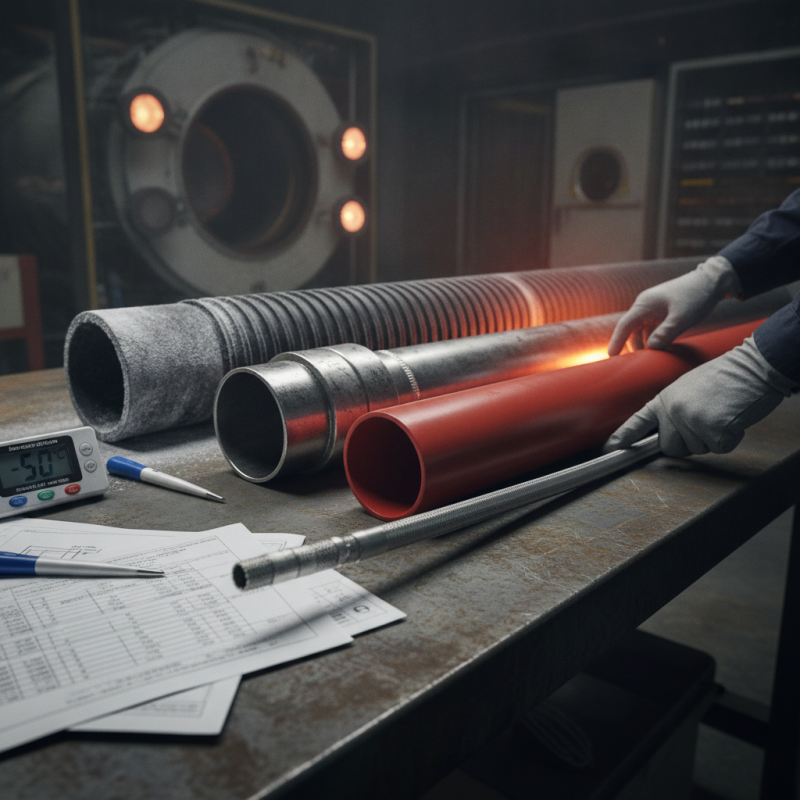
When selecting pipes for extreme temperatures, understanding the thermal properties of different materials is essential. According to industry reports, materials like stainless steel have high resistance to heat. They can typically withstand temperatures up to 1,500°F. However, they may become brittle at lower temperatures, which poses risks.
For extreme cold, materials such as PVC can become less effective. Research indicates that at temperatures below 32°F, PVC pipes might crack under pressure. Polyethylene is more flexible in cold, handling down to -200°F without breaking. Each material has a defined thermal range, which affects its durability.
Tip 1: Analyze the temperature range of your project. This ensures you select the right pipe material to prevent failure.
Choosing the right insulation is equally important. Insulation can maintain pipe temperature and prevent freezing or overheating. The right choice can improve efficiency and reduce energy costs.
Tip 2: Evaluate local climate conditions. Harsh weather can impact pipe performance.
Finally, don't ignore the pressure ratings. Different materials will handle extreme temperatures differently under stress. Ensuring compatibility with your system is crucial for safe operation.
When choosing pipes for extreme temperatures, evaluating material properties is critical. High and low-temperature conditions can significantly affect performance. A pipe's material must withstand thermal stress while maintaining integrity. Research is essential before making any decisions.
Consider metallic materials like stainless steel or copper. They offer excellent thermal resistance and durability. However, they may not be suitable for all applications. Assess the temperature range before selecting them. In some cases, specialized polymers perform better in extreme environments.
It's also important to consult experts. Their insights can help identify potential failures. Test the materials in real-life conditions to ensure reliability. Regular inspection and maintenance are crucial. Even the best pipes may experience fatigue over time. Taking these precautions can enhance safety and efficiency in high-stress scenarios.
| Material | Temperature Range (°C) | Thermal Conductivity (W/m·K) | Maximum Pressure (MPa) | Corrosion Resistance |
|---|---|---|---|---|
| Stainless Steel | -196 to 800 | 16 | 50 | Excellent |
| Copper | -200 to 1000 | 401 | 25 | Good |
| PVC | -40 to 60 | 0.19 | 7 | Poor |
| HDPE | -40 to 60 | 0.45 | 5 | Fair |
| Graphite | -200 to 3000 | 95 | >100 | Excellent |
Choosing pipes for extreme temperatures involves understanding thermal expansion characteristics. Different materials react uniquely to heat. Metals, like steel and copper, expand when heated. Their expansion rates vary significantly. This makes understanding the precise thermal expansion crucial for any project.
Consider factors like temperature ranges and application environments. For instance, PVC pipes have lower thermal expansion than metals. This property can influence the choice in high-temperature scenarios. Proper installation techniques can mitigate risks related to expansion. Miscalculations here can lead to leaks or failures.
Proper testing of materials will help you understand their thermal properties. A test may reveal surprising limits. Sometimes, you’ll find that a pipe chosen for its strength fails in heat. It’s crucial to evaluate your selections continuously. Remember, the right choice reduces risks and increases lifespan.
This chart illustrates the thermal expansion characteristics of various pipe materials at extreme temperatures. It highlights the expansion rates, which are crucial for engineers to consider when selecting pipes for high-stress environments.
When selecting pipes for extreme temperatures, understanding the impact of corrosion is crucial. Corrosion, accelerated by elevated temperatures, can significantly weaken pipe integrity. According to a report by the National Association of Corrosion Engineers, corrosion can reduce the lifespan of pipes in high-temperature environments by up to 50%. This calls for a closer examination of material choices.
High temperatures often lead to increased oxidation rates. For instance, carbon steel may perform adequately at low temperatures, but at extreme levels, it succumbs to accelerated corrosion. When exposed to temperatures above 300°C, even stainless steel can face challenges. It is not immune to factors such as pitting and crevice corrosion. Thus, ensuring that the chosen material can withstand specific temperature ranges is vital.
Selecting the right coating or corrosion inhibitor is equally important. Some coatings can offer a temporary shield, but they may degrade over time, especially under harsh conditions. Regular inspections and maintenance are necessary. Neglecting to assess these factors can lead to failures. In extreme temperature applications, anticipate unexpected challenges. An informed approach helps mitigate risks and ensures long-term reliability.
When selecting insulation for extreme temperature applications, the emphasis should be on effectiveness and durability. Proper insulation reduces energy loss and protects pipes from temperature fluctuations. High-performance materials, like fiberglass and foam, are vital for this purpose. They enhance efficiency and resilience, ensuring long-term performance.
One critical tip is to consider thermal conductivity. Lower conductivity ratings indicate better insulation performance. This factor directly influences energy efficiency and cost-effectiveness. Also, remember to assess the insulation’s temperature range. Select materials that can withstand not just extreme highs but also lows.
Ensure proper installation, as gaps can lead to significant thermal loss. Misalignment or incomplete coverage can compromise insulation's effectiveness. Regular inspections help identify wear and tear, enabling timely repairs. In extreme environments, these small details can make a significant difference. Keep learning and adapting your approach to stay ahead in managing temperature extremes effectively.
: Material properties, thermal stress resistance, and application suitability are essential factors to evaluate.
Research helps understand how materials perform under extreme conditions, which affects safety and efficiency.
Metallic materials like stainless steel and copper are known for their thermal resistance and durability.
Specialized polymers can outperform metals in certain extreme environments.
Corrosion can significantly weaken pipe integrity, reducing lifespan by up to 50% in high-temperature conditions.
At high temperatures, carbon steel faces accelerated corrosion, compromising its effectiveness.
Routine inspections can help identify fatigue and prevent potential failures over time.
Coatings offer temporary protection but may degrade over time, requiring regular assessment.
New risks may arise due to thermal stress and material fatigue, making preparedness essential.
Understanding material properties and potential failures leads to better choices and enhanced reliability.
When it comes to how to choose pipes for extreme temperatures, it's crucial to understand the temperature ranges that various pipe materials can endure. Different materials, such as metals and plastics, exhibit varying degrees of resilience to both high and low temperatures, which can affect their performance in extreme conditions. Evaluating these material properties is essential, as it helps ensure that the selected pipes maintain their integrity during intense temperature fluctuations.
Additionally, one must consider the thermal expansion characteristics of the chosen pipe materials, as excessive expansion or contraction can lead to structural failures. Assessing the impact of corrosion under extreme temperature conditions is also vital, since harsh environments can significantly compromise the longevity of the piping system. Finally, selecting appropriate insulation tailored for extreme temperature applications ensures that pipes are protected and efficient, ultimately leading to a successful installation and operation.

Flowtera Pipe