Why stainless steel is preferred for sanitary applications is not just a question of appearance. It is about what happens after hundreds of cleaning cycles, when milk residue dries around a weld or moisture sits beneath a fitting. A hygienic surface must be durable, accessible, and cleanable. FDA food-manufacturing rules require equipment to be adequately cleanable and maintained to prevent contamination; stainless steel can support that goal when its grade, finish, welds, and installation are properly specified.
The scale of the material’s use is significant. worldstainless reported global stainless-steel crude production of 58.4 million tonnes in 2023. That figure covers many industries, not sanitary equipment alone, so it should not be mistaken for proof of hygienic performance. In practice, surface condition and equipment design matter as much as the alloy. As hygienic-design expert Professor John Holah has emphasized in his work, equipment must be designed with effective cleaning in mind. The point is simple. Stainless steel is not self-sanitizing.
These seven tips examine corrosion resistance, cleanability, durability, and other practical reasons stainless steel is widely chosen for sanitary applications. They also consider a less comfortable detail: poor finishing or inaccessible joints can undermine even a well-chosen material. A shiny surface is not enough.
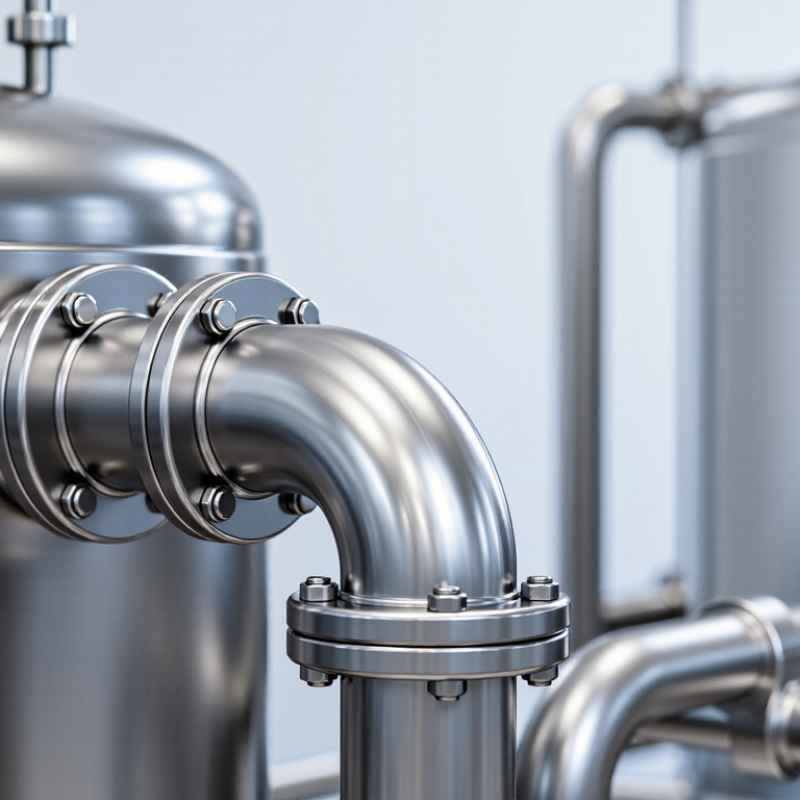
Sanitary spaces demand surfaces that tolerate frequent washing without becoming difficult to inspect. Stainless steel’s chromium-rich passive layer helps resist corrosion, while smooth, properly finished surfaces leave fewer places for soil to collect. At a sink, for example, a rounded joint is easier to clean than a crevice packed with dried residue.
The CDC’s 2019 survey found that about 3.2% of patients in U.S. acute-care hospitals had at least one healthcare-associated infection. That figure is a reminder that hygiene depends on systems, not one material alone.
Details matter. Fabrication quality, welds, drainage, and cleaning routines all influence performance. A scratched panel or poorly sealed seam can undermine an otherwise sound installation. Stainless steel is also nonporous and withstands many common cleaning processes, but chemical compatibility varies by grade and exposure. Chlorides, including those in some cleaners, can cause pitting under unfavorable conditions. Not magic.
In food preparation and healthcare settings, specify a suitable grade and surface finish for the actual environment, then verify that joints are cleanable and water does not pool. The European Hygienic Engineering & Design Group’s hygienic-design guidance emphasizes cleanability and drainage alongside material selection. Stainless steel supports sanitary practice; it cannot replace trained staff, validated cleaning, or regular inspection. That distinction is easy to overlook.
Stainless steel is valued in sanitary settings because its dense, nonporous surface gives liquids and food residue fewer places to lodge. On a smooth, intact worktop, a wipe can reach more of the contact area than it can on cracked plastic or chipped coatings. That matters. The FDA Food Code 2022 calls for food-contact surfaces to be smooth, durable, and easily cleanable. Stainless steel can meet those criteria when properly finished and maintained; the material alone does not make a surface sanitary.
Nonporous does not mean bacteria cannot survive there. A 2003 study in the Journal of Food Protection examined foodborne pathogens on stainless steel and other food-contact materials, showing that contamination may persist on surfaces. Cleaning and sanitizing remain essential. In practice, staff should remove visible soil, apply an approved sanitizer at its labeled concentration, and respect the required contact time. Pay attention to welds, scratches, and joints, where residue can collect. A small flaw can undermine an otherwise smooth surface. That point is easy to overlook. The CDC estimates that roughly one in six people in the United States gets a foodborne illness each year; this figure is not specific to stainless steel, but it underscores why consistent surface hygiene matters.
Typical thermal conductivity of common materials (W/m·K)
Stainless steel’s smooth, nonporous surface is easy to clean and does not absorb moisture, helping limit places where bacteria can persist. Thermal conductivity is shown for material context; it is not a measure of bacterial growth. Values are typical approximations and vary by grade and temperature.
7 Tips Why Stainless Steel Is Preferred for Sanitary Use?
Corrosion resistance protects more than appearance. It helps keep food, water, and pharmaceutical surfaces cleanable. The NACE IMPACT study estimated global corrosion costs at US$2.5 trillion annually, equal to about 3.4% of global GDP. Poor material selection can therefore create costly hygiene risks. Stainless steel resists moisture, many cleaning chemicals, and repeated washing when its grade and finish suit the process.
Look closely at seven practical points: select a suitable grade, control surface roughness, protect welded areas, remove iron contamination, use compatible detergents, inspect scratches, and repair damaged zones quickly. Austenitic grades commonly used in sanitation form a passive chromium-oxide layer. That layer is thin, but it repairs itself when oxygen is available. Chlorides can challenge it. Higher-alloy options may perform better near salt, brine, or aggressive chemicals. The wrong cleaner can still cause pitting.
Cleanability depends on details. EHEDG guidance emphasizes hygienic design, smooth surfaces, and drainage without stagnant pockets. A polished tank may appear perfect, yet a rough weld can trap residue beneath a biofilm. That is where experience matters. Operators should verify concentration, temperature, contact time, and rinsing, rather than trust labels alone. Stainless steel is not maintenance-free. I have seen minor scratches ignored until discoloration exposed deeper corrosion. That delay is avoidable, though many facilities still underestimate it.
| Tip | Sanitary Advantage | Why It Matters | Practical Guidance |
|---|---|---|---|
| 1 | Choose corrosion-resistant grades | Stainless steel’s chromium-rich passive surface helps resist rust and many forms of corrosion. Corrosion can create rough, damaged areas that are harder to clean and may compromise equipment integrity. | Grade 304 is widely used in many food-processing environments. Grade 316, which contains molybdenum, generally offers better resistance to chlorides and some aggressive cleaning conditions. Confirm suitability for the actual chemicals and process. |
| 2 | Specify a cleanable surface finish | Smooth, well-finished surfaces are easier to wash and are less likely to retain residues than surfaces with deep scratches, pits, or crevices. | Define the required finish in the equipment specification. In some hygienic applications, a surface roughness of Ra ≤ 0.8 µm is used as a target, but the appropriate value depends on the process and applicable standards. |
| 3 | Minimize crevices and dead spaces | Gaps, sharp internal corners, and poorly drained areas can trap product or wash water, making effective cleaning more difficult. | Use hygienic design principles: smooth transitions, accessible joints, continuous welds where appropriate, and layouts that drain and can be inspected. |
| 4 | Match the alloy to cleaning chemicals | Chemical concentration, temperature, contact time, and chloride content all affect corrosion risk. A suitable grade can still be damaged by incompatible or poorly controlled cleaning conditions. | Review chemical supplier guidance and equipment limits. Control sanitizer concentration, temperature, and exposure time, and rinse when required by the validated cleaning procedure. |
| 5 | Prevent contamination from other metals | Embedded iron particles from carbon-steel tools or handling can rust on a stainless surface and create spots that are mistaken for failure of the stainless alloy. | Use clean, dedicated tools and protect stainless surfaces during fabrication and installation. Remove fabrication residues using an appropriate, qualified cleaning or passivation process. |
| 6 | Inspect welds and surface condition | Heat tint, rough welds, cracks, and damaged areas can impair corrosion resistance or leave locations where residues collect. | Include visual checks and suitable surface-quality criteria in fabrication and maintenance procedures. Repair defects with methods appropriate for the alloy and hygienic application. |
| 7 | Maintain and verify the cleaning process | Corrosion-resistant material supports hygienic operation, but it does not replace effective cleaning, sanitizing, inspection, or process validation. | Follow documented cleaning procedures, inspect for deposits or corrosion, and verify cleaning effectiveness using methods appropriate to the facility’s food-safety or process-quality program. |
Note: Stainless steel performance depends on grade, surface condition, design, exposure, and maintenance. Confirm material selection against the specific process and applicable requirements.
A smooth stainless steel finish gives dirt and product residue fewer places to hide. On a tank wall or work surface, tiny pits and deep scratches can trap moisture and organic material. These areas may be harder for cleaning solutions to reach. Smooth does not mean perfectly immune to contamination, but it makes routine cleaning more predictable.
In practice, staff can apply detergent, rinse, and inspect a polished surface without working around rough seams or visible grooves. A clean cloth should glide across the metal rather than snag. That small detail can reveal a damaged spot worth checking. Smooth finishes also help sanitizing or sterilizing steps work more consistently, because residues are less likely to shield microbes from the process. Follow the equipment maker’s validated cleaning instructions; surface appearance alone cannot confirm that a surface is sanitary.
There is a trade-off. A highly polished finish can still become scratched through abrasive pads, harsh chemicals, or careless handling. And a smooth panel joined with a poor weld may remain difficult to clean. Regular inspection matters. Look closely at corners, welds, and drain areas, where water can linger after rinsing. Smoothness helps, but good design and careful maintenance complete the job.
Stainless steel suits sanitary equipment because it combines corrosion resistance with a durable, cleanable surface. In practice, the grade matters. Type 304 often works well in many food and beverage settings, while type 316 offers added resistance to chlorides and some cleaning chemicals. Neither grade is immune to damage. That matters. Salt residues, harsh chemicals, or prolonged moisture can still cause staining or pitting, especially around joints and poorly drained areas.
Choosing a grade starts with the process, not a label. Consider the product, washdown routine, temperature, and water chemistry. Then inspect the details: smooth welds, rounded internal corners, and surfaces without deep scratches are easier to clean thoroughly. A polished finish can help, but it cannot compensate for bad fabrication or trapped residue. Check material certificates and confirm that fittings, valves, and welds are suitable for the same service conditions. One detail is easy to miss: maintenance practices can affect service life as much as the original material choice. Even well-selected steel needs sensible cleaning and regular inspection. Be cautious about assuming that a higher grade solves every problem; sometimes the real weakness is a crevice, a stagnant pocket, or an unsuitable cleaning method.
It resists corrosion and has a smooth, nonporous surface that is easier to clean. The right finish and maintenance still matter.
No. Bacteria can remain on stainless steel. Remove visible soil, use a suitable sanitizer, and follow its labeled contact time.
Rough welds, scratches, open seams, and pooled water can trap residue. Small flaws count.
Match the grade and finish to the environment, cleaning chemicals, and exposure to moisture or salt. One choice does not fit every setting.
Yes. Chlorides and incompatible cleaners may cause pitting under unfavorable conditions. Check chemical compatibility and use instructions.
Keep welds smooth and cleanable, remove iron contamination, and inspect for discoloration or corrosion. A polished panel alone is not enough.
No. It supports sanitary practice, but trained staff, validated cleaning, and regular inspection remain essential.
Verify detergent concentration, temperature, contact time, and rinsing. Labels help, but actual conditions matter.
Standing water can leave moisture and residue in place. Design surfaces and joints to drain without stagnant pockets.
Stainless steel plays an important role in sanitary environments because it combines hygiene, strength, and ease of maintenance. Its nonporous surface does not readily absorb moisture or trap residue, helping limit places where bacteria can grow. This makes routine cleaning more effective and supports safer conditions in settings where cleanliness is essential. Corrosion resistance also matters: a surface that withstands frequent washing and exposure to cleaning agents is less likely to deteriorate or become difficult to keep sanitary.
Smooth finishes make stainless steel easier to wash and sterilize by reducing crevices where contaminants may collect. Its durability can also help maintain a cleanable surface over time, even with regular use. When selecting stainless steel for sanitary applications, consider the material grade, the environment it will face, and the finish required for cleaning. Together, these qualities explain why stainless steel is preferred for sanitary applications: it offers a practical balance of hygienic performance, corrosion resistance, and long-term reliability.

Flowtera Pipe