Explore our high-performance structural profiles and specialized alloy tubes engineered to withstand high-pressure, extreme temperatures, and severe mechanical stress.
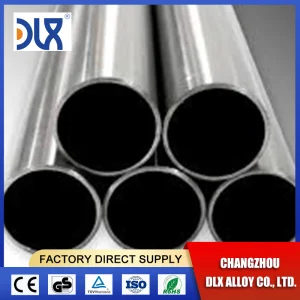
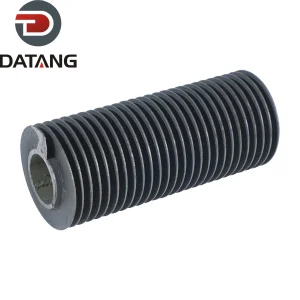
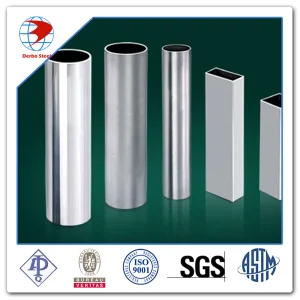
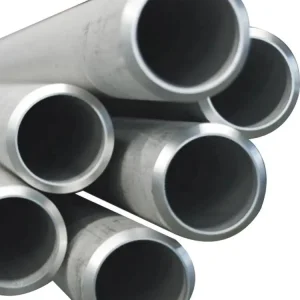
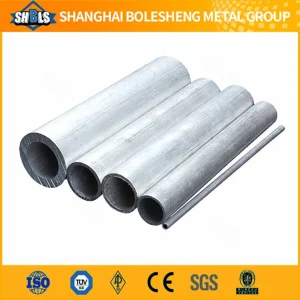
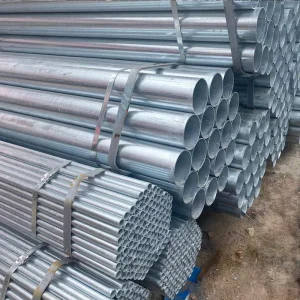
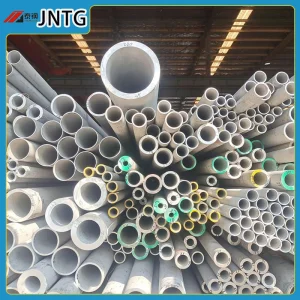
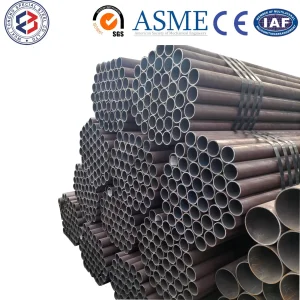
Alloy steel rectangular tubes and hollow structural sections (HSS) have evolved from standard framing materials into highly engineered components critical to modern infrastructure. Across industrial, structural, mechanical, and marine fields, these components offer unmatched structural efficiency and torsional load-carrying performance. In mechanical dynamics, a rectangular profile yields a far higher second moment of area (moment of inertia) than solid configurations of similar weight. This geometric advantage translates directly into material conservation and reduced architectural mass.
Globally, as architectural designs push for longer clear spans, higher seismic resilience, and lower structural weight, structural designers increasingly choose high-strength low-alloy (HSLA) steel. Standard carbon steel hollow sections are often insufficient for deep-water offshore platforms, long-span bridges, heavy machinery booms, and high-altitude architectural columns. Specialized alloy chemistries—incorporating manganese, chromium, molybdenum, nickel, and vanadium—allow manufacturers to balance high yield strength with exceptional weldability and low-temperature impact toughness.
International industrial markets call for reliable supply partners who can produce tight dimensional tolerances, customized chemical profiles, and verified mechanical properties. As the manufacturing core shift emphasizes resource efficiency and decarbonized construction, sourcing high-grade alloy steel rectangular tubes from a technically advanced manufacturer is critical to staying competitive in complex global engineering tasks.
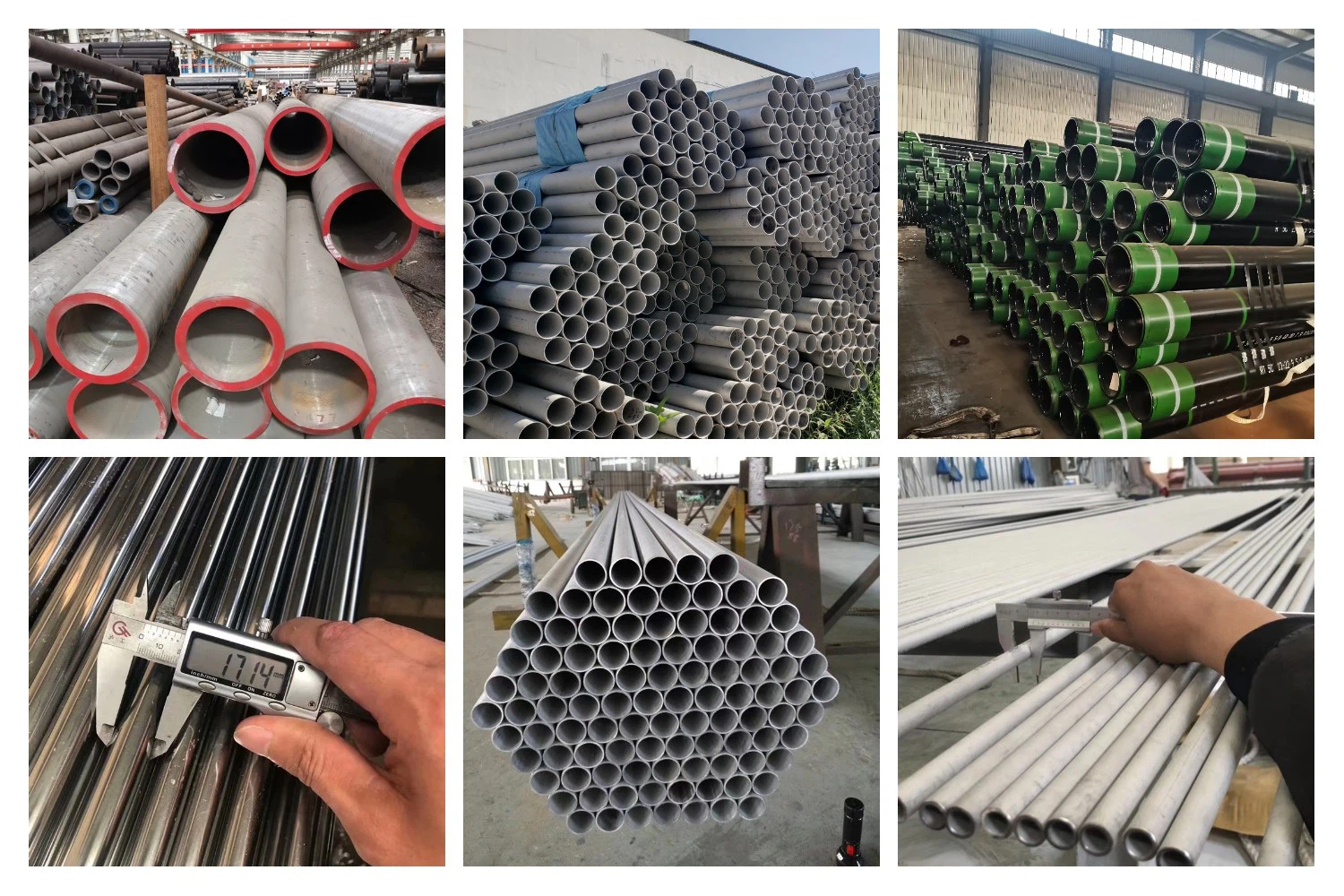
From raw ladle refining to precise cold-forming and structural thermal treatment processes.
Adding precise ratios of Chromium (Cr), Molybdenum (Mo), and Nickel (Ni) enhances hardenability, high-temperature creep strength, and resistance to environmental cracking. Trace amounts of titanium or niobium refine the crystalline structure, ensuring mechanical toughness even in sub-zero working conditions.
We use automated heavy-duty roll forming and high-frequency induction welding (HFIW) or cold drawing for seamless configurations. This control guarantees square corners, uniform wall thickness, minimal structural twist, and highly precise straightness across long lengths.
To eliminate residual stress from cold-forming, our rectangular profiles undergo controlled stress-relieving, normalizing, or full quenching and tempering (Q&T). This thermal tuning yields a uniform martensitic or bainitic structure, crucial for resisting high mechanical impact.
Compared to standard structural I-beams and open channels, rectangular hollow structural sections (HSS) provide closed-loop structural profiles. This geometry increases resistance to torsional loading and lateral-torsional buckling by up to 200 times. Consequently, engineers can optimize structural weight in high-rise, dynamic marine, and machinery applications.
| Alloy Grade Classification | Primary Alloying Elements | Tensile Strength (MPa) | Yield Strength (Min MPa) | Primary Application Fields |
|---|---|---|---|---|
| ASTM A519 / AISI 4130 | Cr, Mo, Mn | 655 - 850 | 460 - 590 | Aerospace, Drilling Equipment, Automotive Racing Frames |
| ASTM A519 / AISI 4140 | Cr, Mo, Mn, C | 750 - 1000 | 600 - 750 | High-Load Axles, Drive Shafts, Hydraulic Columns |
| EN 10210 / S355J2H | Mn, Si, C | 470 - 630 | 355 | Heavy Civil Infrastructure, Offshore Frameworks |
| EN 10210 / S460NH | Mn, Nb, V, Al | 550 - 720 | 460 | High-Rise Columns, Extreme Load Crane Booms |
Why sourcing from Guangzhou Flowtera Pipe Co., Ltd. provides a competitive global advantage.
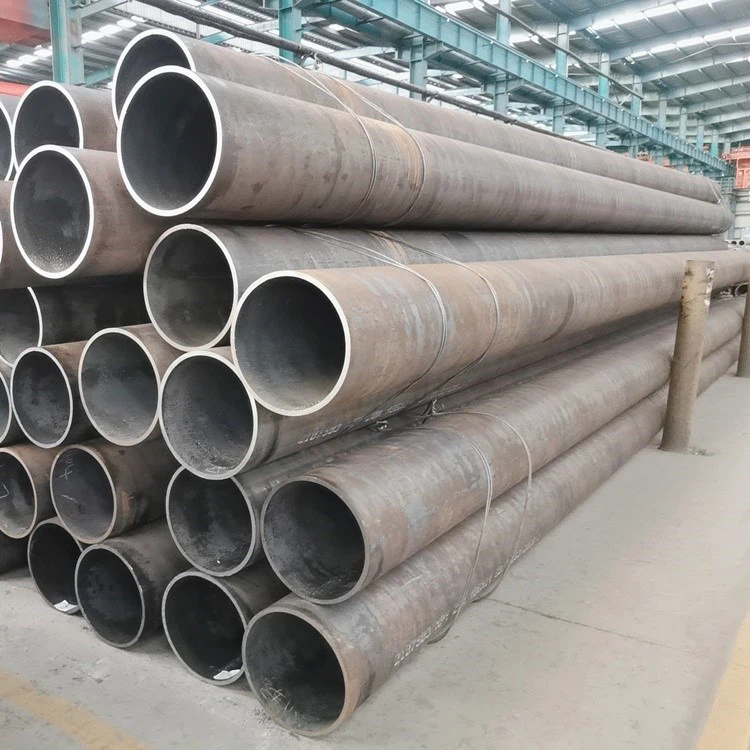
China's steel industrial ecosystems provide distinct supply chain advantages. Our operations in Guangzhou—a key global logistics and manufacturing hub—give us access to deep raw materials networks, advanced metallurgical processing, and direct marine, rail, and air shipping connections. This integration enables Guangzhou Flowtera Pipe Co., Ltd. to transition quickly from raw material procurement to custom profile manufacturing and international shipping.
This localized efficiency is supported by several strategic factors:
By controlling the entire process from smelting analysis to final packaging, we shield global buyers from price volatility, shipping delays, and quality inconsistencies.
How high-performance alloy steel rectangular sections perform in demanding real-world conditions.
In earthquake-prone urban regions, building designs require materials with high yield ratios and excellent plastic deformation properties. Using EN 10210 S460NL or ASTM A500 Grade C rectangular hollow sections provides high yield strength and ductility. Under seismic loads, these columns absorb energy without sudden failure, ensuring building integrity and occupant safety.
Offshore oil platforms, subsea templates, and coastal wind farms face corrosive saltwater environments and cyclic wave loads. Our heavy-walled, high-strength alloy tubes (such as AISI 4140 and super duplex alloys) are treated to resist hydrogen-induced cracking (HIC) and sulfide stress corrosion cracking (SSCC), maintaining structural strength over long periods.
Mobile crane booms and heavy mining chassis need to maximize reach and capacity while minimizing dead weight. High-yield-strength alloy rectangular profiles allow engineers to design lighter, stronger mechanical booms. This optimization improves crane load capacities and reduces fuel consumption during vehicle transport.
Guangzhou Flowtera Pipe Co., Ltd. operates under strict quality management systems certified to ISO 9001. We verify that all alloy steel rectangular tubes conform to international project requirements, including ASTM, EN, and DIN standards. We back our processes with comprehensive metallurgical documentation and physical inspection protocols:
UT & Eddy Current Inspected
Certified Quality System
Material Certification Traceability
Defect Tolerance Rate
A decade of engineering growth and reliable global supply chain execution.
Established in 2011, Guangzhou Flowtera Pipe Co., Ltd. began as a regional supplier of standard steel pipes for construction and mechanical applications. Through technical investment and quality control, the company expanded in 2015 into high-performance alloy steel and stainless steel piping, adding modern production lines for seamless and welded tubes.
In 2019, Flowtera updated its testing capabilities by introducing automated inspection systems and precision testing equipment. This upgrade ensures full compliance with international standards and demanding project requirements. Today, our product range includes seamless alloy steel pipes, welded stainless steel tubes, duplex and super duplex pipes, and custom profiles for high-pressure, high-temperature, and corrosive environments.
As a specialized manufacturer, Flowtera integrates manufacturing technology with efficient supply chain management to serve global clients in oil and gas, petrochemicals, power generation, shipbuilding, and infrastructure. We deliver reliable, certified piping solutions to projects worldwide.
Began as a regional supplier of standard carbon steel structural tubes in Guangzhou.
Transitioned into advanced alloy steel, stainless steel, and custom hollow structural sections.
Introduced automated NDT testing, ISO 9001 systems, and expanded global exports.
Answers to key technical questions about alloy steel rectangular tubes.
Hot-rolled rectangular sections are formed at high temperatures, making them cost-effective for large-scale structural frames where visual finish is secondary. Cold-drawn tubes are finished at room temperature, providing tighter dimensional tolerances, sharper corner profiles, and a smooth surface finish. Cold-drawing also increases mechanical strength through work hardening, which is critical for precision machinery applications.
Standard carbon steel requires higher carbon levels to achieve high yield strength, which can lower weldability and increase cracking risk in the heat-affected zone (HAZ). Micro-alloying adds tiny amounts (under 0.15% total) of niobium, vanadium, and titanium. This maintains low carbon equivalent (CEV) values, allowing structural welding without extensive pre-heating, even at high yield strengths.
For high-corrosion environments, we offer hot-dip galvanizing (complying with ASTM A123 or EN ISO 1461), custom multi-layer epoxy powder coatings, and fusion bonded epoxy (FBE) linings. For extreme environments, we manufacture rectangular profiles in highly corrosion-resistant materials, including 316L stainless steel and 2205/2507 duplex alloys.
Our production facilities use multi-axis roller straighteners and laser measurement systems. Every rectangular tube is tested for twist, camber, and wall thickness variance. This ensures our profiles meet or exceed the tolerances specified in standards like ASTM A500 and EN 10219.
Explore our full line of industrial carbon, alloy, and stainless steel piping solutions.
 Flowtera Pipe