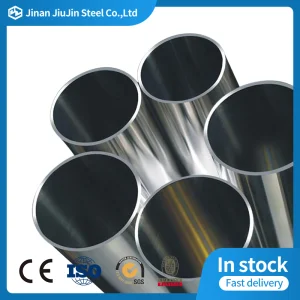
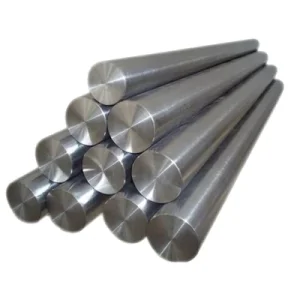
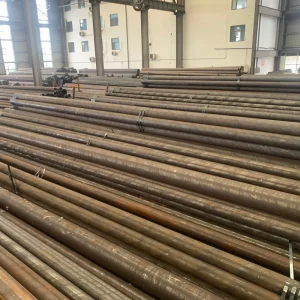
Explore our high-performance line of seamless, welded, and specialized alloy structural tubing manufactured for high-stress infrastructure and mechanical projects.
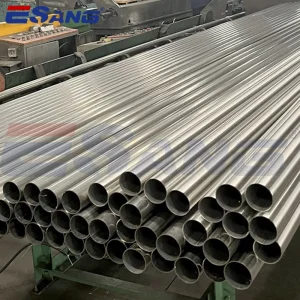
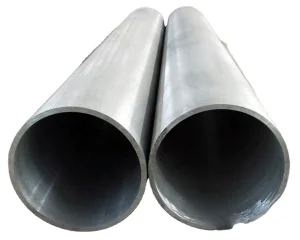
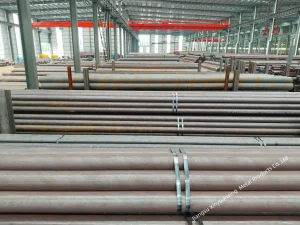
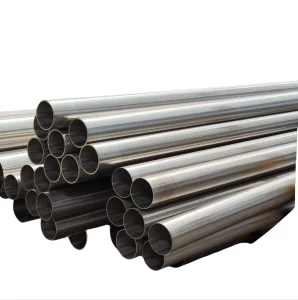
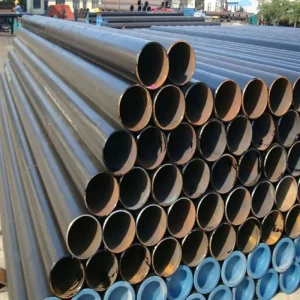
In modern civil engineering, megastructures, and high-load industrial machinery, the integrity of structural support frames relies heavily on structural carbon steel tubes. Global procurement professionals must navigate not just costs, but strict chemical metallurgy profiles, seismic resistance factors, and precise dimensional tolerances. As a leading manufacturer in China, Guangzhou Flowtera Pipe Co., Ltd. delivers high-performance carbon and alloy steel tubes that anchor heavy industries worldwide.
Whether specifying hollow structural sections (HSS) for dynamic architectural geometries, offshore wind farm arrays, or high-pressure steam distribution pipelines, matching steel grade chemical composition with target environmental loads is critical. Understanding the nuances between standard carbon formulations and high-tensile alloy derivatives represents the margin between engineering failure and decades of maintenance-free service.
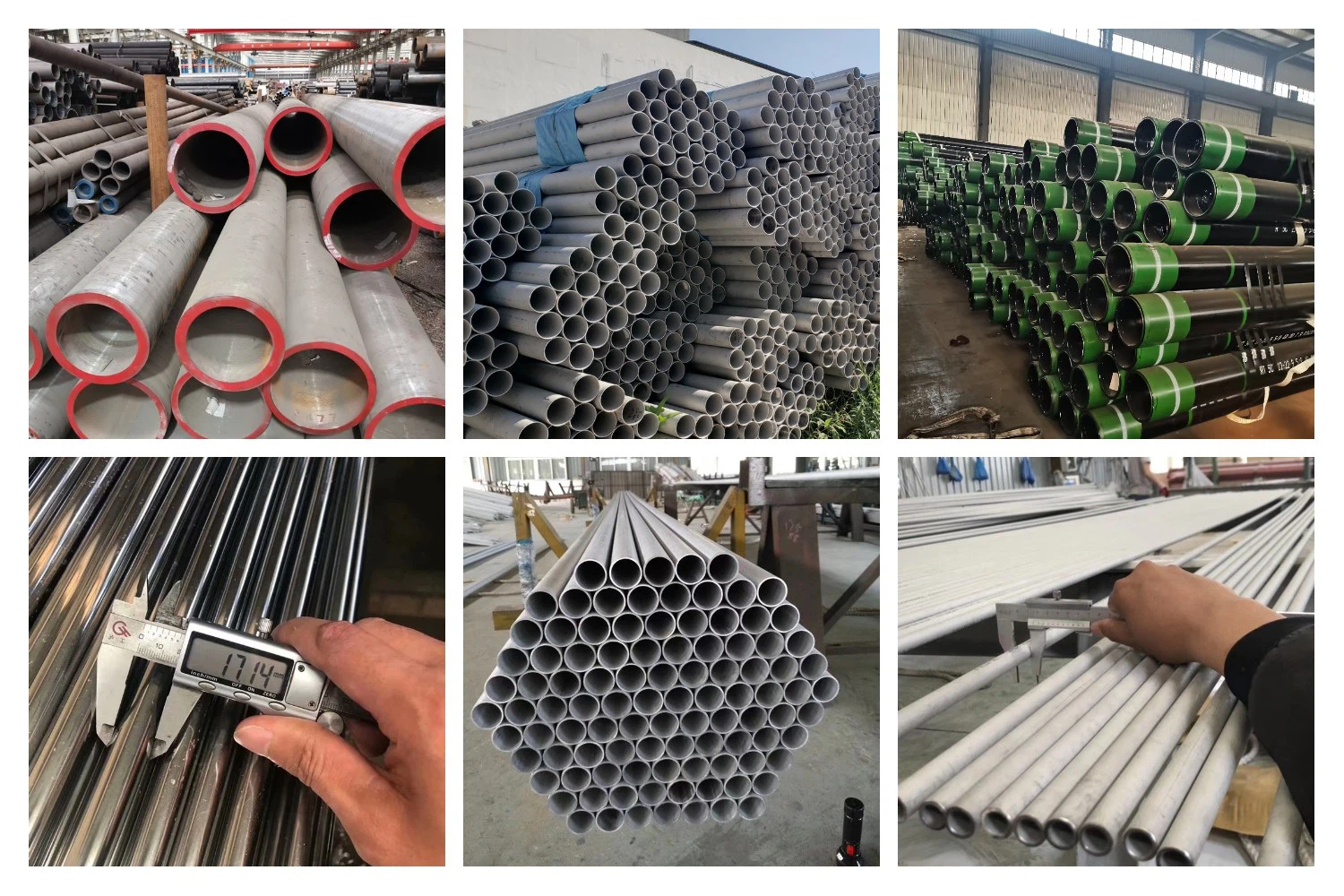
Founded & Regional Launch
Alloy & Stainless Steel Expansion
Automated Inspection & Precision Testing
Standardized Quality System
Comparing standard architectural and high-performance mechanical grades for heavy engineering industries.
| Steel Grade Designation | Standard Specification | Yield Strength ($R_e$ min, MPa) | Tensile Strength ($R_m$, MPa) | Typical Heavy Industrial Applications |
|---|---|---|---|---|
| Gr. B / Gr. C | ASTM A500 / A501 | 310 - 350 | 400 - 485 | Architectural trusses, seismic frames, structural columns, machinery frames |
| S355J2H / S355NH | EN 10210 / EN 10219 | 355 | 470 - 630 | Offshore platform jackets, bridge foundations, crane booms, wind energy masts |
| Grade B / C | ASTM A106 / A53 (Seamless) | 240 | 415 | High-pressure fluid transport, high-temperature steam lines, thermal pipe jackets |
| 15CrMoG / 34CrMo4 | EN 10297 / GB 5310 | ≥ 490 | ≥ 980 | High-pressure gas cylinders, aerospace hydraulic circuits, heat-resistant steam systems |
Technical Insight: Carbon Equivalent Value (CEV) Formula & Weldability
To avoid cold cracking in heavy structural columns, we control the Carbon Equivalent Value using the formula:
$$CEV = C + \frac{Mn}{6} + \frac{Cr+Mo+V}{5} + \frac{Ni+Cu}{15}$$
By maintaining our CEV values below 0.43%, Flowtera structural carbon steel tubes guarantee excellent field welding without the absolute need for prolonged preheating stages, saving up to 30% in onsite installation hours.
We utilize Thermo-Mechanical Control Processing to achieve ultra-fine grain steel structures. This results in superior yield-to-tensile ratios and exceptional low-temperature Charpy V-notch impact toughness for polar or deepwater structures.
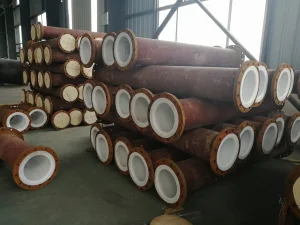
For corrosive chemical loops, geothermal energy facilities, or high-salinity infrastructure, we manufacture advanced PTFE-lined structural piping and dual-layer composite steel structures that withstand extreme acids and alkali systems.
Our quality verification processes utilize automated hydrostatic testing, real-time ultrasonic scanning, and computerized eddy current inspection lines to eliminate microscopic defects prior to shipping.
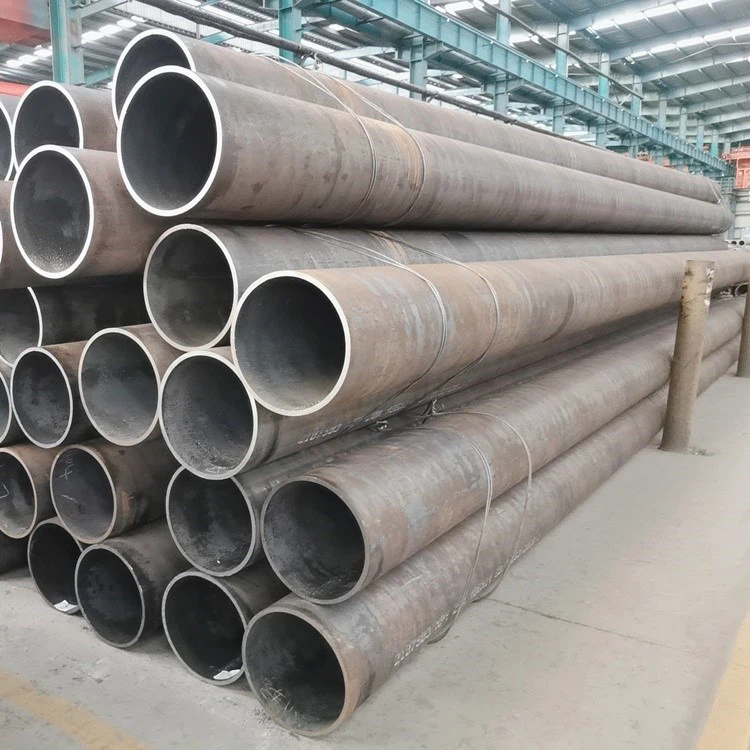
Established in 2011, Flowtera began its journey as a regional supplier focused on basic carbon steel tubes for general construction, civil piping, and architectural structural applications. Through strategic engineering investments, we expanded in 2015 to manufacture high-performance alloy steel and stainless steel piping solutions.
In 2019, Flowtera completed its transition to a high-precision, smart-manufacturing hub by integrating modern inspection technologies. This included online ultrasonic non-destructive testing (NDT), hydrostatic stress testing benches, and advanced spectrometry tools for chemical element verification.
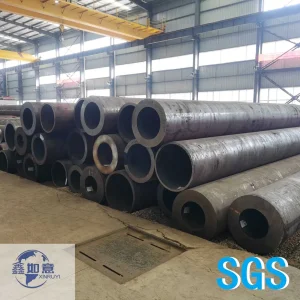
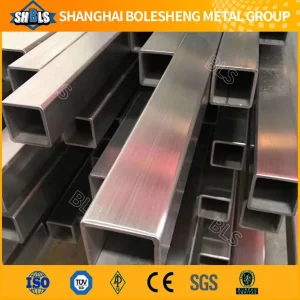
Today, our factory produces customized hollow structural sections, high-alloy tubes, heat-resistant steam pipes, and duplex stainless pipes that comply with strict ASTM, EN, DIN, and ISO 9001 quality management guidelines.
Overcoming logistics and compliance hurdles in international steel pipe procurement.
Procurement departments are constantly exposed to complex anti-dumping duties, tariff barriers, and fluctuating freight rates. Flowtera maintains structured relationships with international customs clearance brokers, facilitating smooth freight paths. We offer transparent country-of-origin documentation and mill test certificates (MTC) matching EN 10204 3.1 & 3.2 formats, ensuring zero cargo holdups at international ports.
Full traceability back to the initial steel billet heat number.
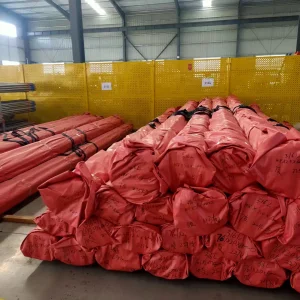
Strategically located in Guangzhou, a core logistics and maritime shipping hub in Southern China, Flowtera leverages adjacent port systems to offer fast international lead times. By working closely with global inspection agencies such as SGS, TÜV, and BV, we conduct pre-shipment inspections right at our manufacturing floor, ensuring that what arrives at your construction site complies 100% with local design specifications.
Direct port access with customized sea, rail, and land freight combinations.
Flowtera is leading the transition towards smarter, low-carbon, and highly resilient structural steel products.
With the global push toward Net-Zero carbon emissions, modern construction projects require materials with lower embodied carbon footprints. Flowtera is actively investigating hydrogen-reduced iron inputs and electric arc furnace (EAF) production lines to reduce total greenhouse gas outputs during raw processing stages.
As structural engineers push the limits of skyscrapers and long-span truss bridges, requirements for higher yield stress steel (such as S460 and S690 variants) are escalating. Our research and development efforts are focused on micro-alloying techniques (using Titanium, Niobium, and Vanadium additions) to create thin-walled structural carbon tubes that outperform thick-walled alternatives, reducing raw structural weight by up to 25%.
Get professional advice on mechanical properties, sourcing standards, and manufacturing variables from our technical engineering department.
Complete your project specifications with our high-pressure, heat-resistant, and structural alloy piping options.
 Flowtera Pipe