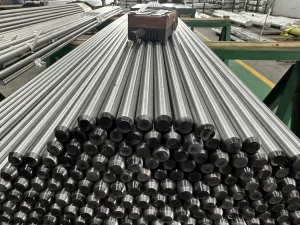
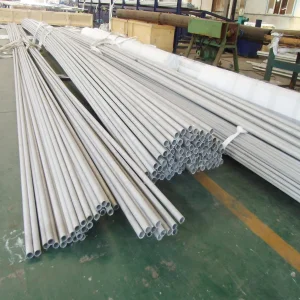
In global industrial systems, sub-zero operations demand specialized materials capable of maintaining mechanical integrity without risking brittle failure. Low Temperature Carbon Steel (LTCS) pipes are engineered specifically to combat the vulnerability of standard structural steel in freezing temperatures. In standard carbon steels, as the operating temperature drops, the material transitions from a ductile state (where it bends and deforms safely under stress) to a brittle state (where it fractures catastrophically with little to no warning). This critical threshold is known as the Ductile-to-Brittle Transition Temperature (DBTT).
As a leading China Wholesale Low Temperature Carbon Pipes Manufacturer & Supplier, Guangzhou Flowtera Pipe Co., Ltd. leverages metallurgical precision, advanced grain refinement, and thermal treatments to lower this transition point, providing safe and continuous performance at temperatures as low as -45°C to -101°C (-50°F to -150°F). Through controlled addition of alloying elements like manganese and nickel, coupled with complete aluminum killing process, we supply global industries with reliable, high-grade piping configurations tailored for modern liquid gas handling, Arctic processing, and sub-zero offshore utility networks.
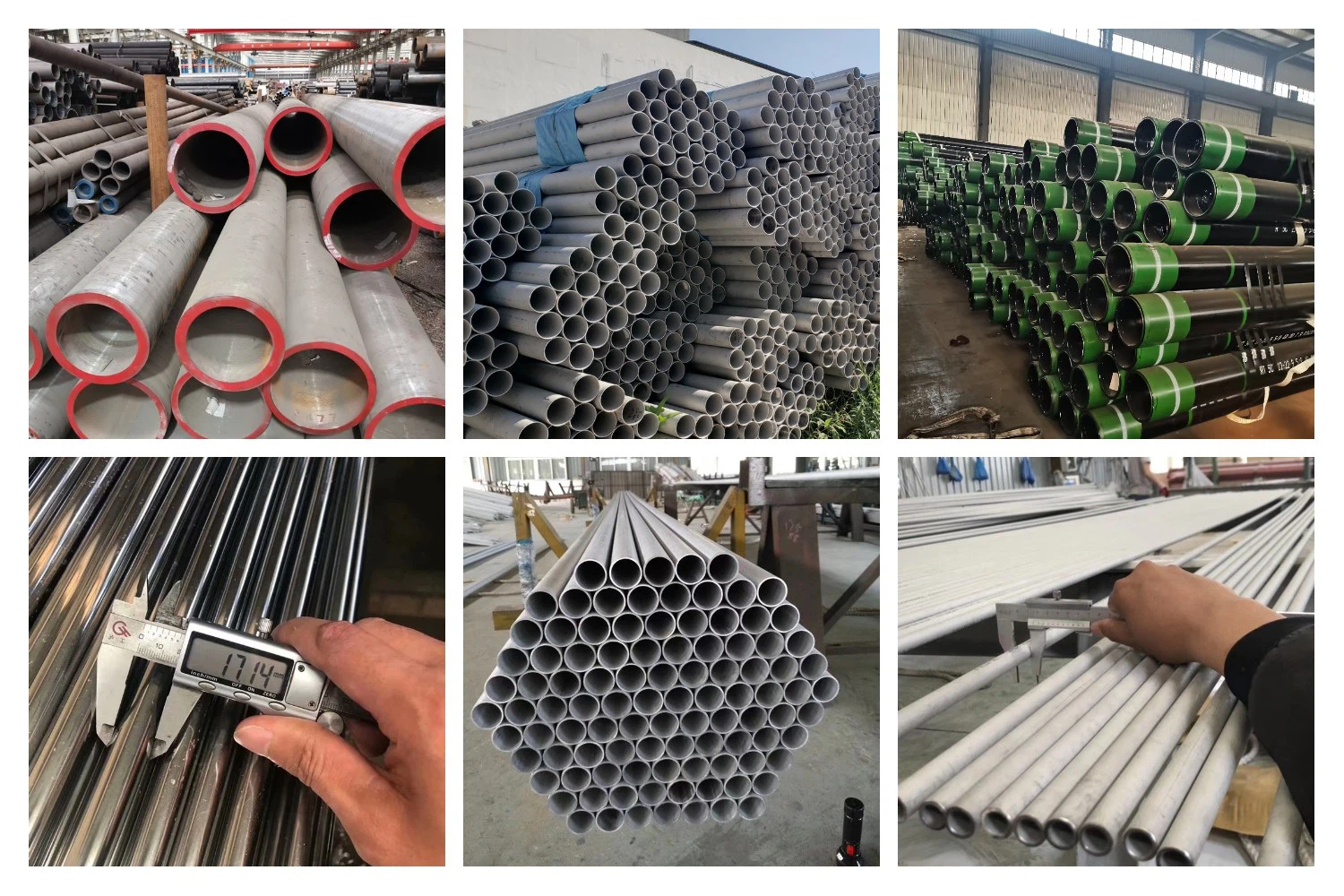
Since 2011, establishing reliable global supply chains for critical fluid transmission applications.
A comparative overview of prevalent low-temperature and high-strength piping standards used globally.
| Specification / Grade | Minimum Service Temp | Key Chemistry Focus | Mechanical Yield Strength (Min) | Primary Application Domain |
|---|---|---|---|---|
| ASTM A333 Grade 6 | -45°C (-50°F) | Max 0.30% C, 0.50-1.35% Mn, Al-killed | 240 MPa (35 ksi) | General petrochemical utility, gas plant headers |
| ASTM A333 Grade 3 | -101°C (-150°F) | 3.25% - 3.75% Ni addition for sub-zero stabilization | 240 MPa (35 ksi) | LNG cryogenic operations, liquid ethylene terminals |
| Q345E (GB/T 1591) | -40°C | Fine grain alloy, Micro-alloyed (V, Nb, Ti) | 345 MPa | Low-temperature pressure vessels and heavy machinery |
| ASTM A333 Grade 8 | -195°C (-320°F) | 9% Nickel steel alloy chemistry | 515 MPa (75 ksi) | Highly specialized ultra-cold LNG tankers & pipelines |
Providing engineered piping systems to support massive energy infrastructure worldwide.
Liquefied Natural Gas (LNG) processing plants compress gas down to extreme sub-zero levels (-162°C) for storage and shipping. From pre-cooling circuits to terminal regasification, specialized LTCS and nickel alloy pipes provide structural safety and absolute thermal resistance.
Arctic and sub-arctic offshore exploration fields pose immense structural risks due to high winds, icy seas, and prolonged freezing weather. Our normalized seamless carbon steel pipes meet the impact limits required to safely transport high-pressure petroleum products.
Modern petrochemical cracking processes and desalinization units frequently feature deep temperature drops in cryogenic separators. Employing high-grade alloy and carbon steel pipelines eliminates catastrophic pipe bursts, ensuring stable facility operations.
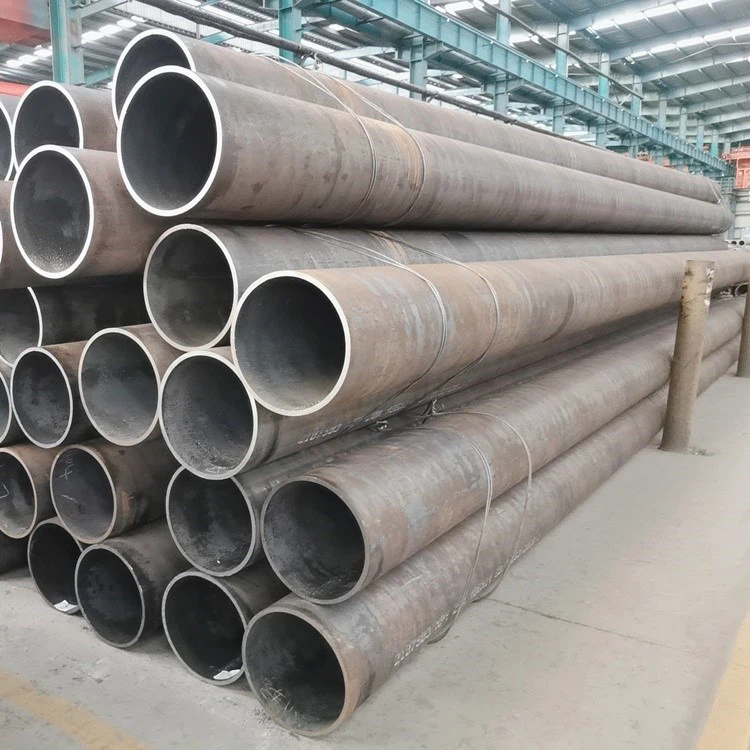
Founded in 2011 in the strategic industrial cluster of Guangzhou, China, Guangzhou Flowtera Pipe Co., Ltd. has established itself as an authoritative manufacturer and exporter of alloy steel pipes, stainless steel tubes, and low-temperature carbon pipes. In our first phase, we supplied standard structural pipes for local mechanical engineering projects. Recognizing the global pivot toward complex offshore and LNG projects, we expanded our manufacturing framework in 2015 to produce specialized seamless and welded alloy steel pipes.
To assure absolute safety in dangerous, high-pressure environments, in 2019 Flowtera introduced next-generation, automated non-destructive testing (NDT) systems, precision ultrasonic measurement, and cryogenic Charpy V-notch testers at our QA lab. Every piece of steel departing our line is certified under ISO 9001 and strictly conforms to critical international engineering codes including ASTM, EN, and DIN.
How Flowtera is adapting to the future of energy transition, hydrogen transport, and eco-friendly manufacturing.
As the global energy sector pivots toward carbon neutrality and clean fuels, the demands placed on pipeline infrastructures are changing dramatically. Flowtera's R&D division is actively working to resolve the challenges associated with Hydrogen Embrittlement in low-temperature environments. Standard carbon steels can absorb hydrogen molecules, causing localized cracking under low-temperature stresses. By refining grain size and optimizing carbon equivalent values (CEV), Flowtera is developing next-generation LTCS products capable of safe, long-term transport of blended hydrogen and natural gas mixtures.
Furthermore, our modern production lines incorporate automated rolling mills and precise cooling hoods that minimize thermodynamic variance across the tube profile. This smart thermal control ensures that every millimeter of the pipe exhibits uniform mechanical parameters, reducing onsite welding complications and preventing localized stress points. Our long-term focus lies in supplying eco-efficient solutions for Carbon Capture, Utilization, and Storage (CCUS) projects, where supercritical CO2 is transported under high pressure and low temperatures.
Every shipment is backed by international verification standards to guarantee complete mechanical and chemical integrity.
Conducted in specialized cryogenic cooling chambers, this test confirms that our ASTM A333 Grade 6 and Grade 3 pipes achieve the mandatory impact energy absorption (typically minimum 18-20 Joules) at their lowest certified operational limit.
Our facility utilizes Ultrasonic Testing (UT), Eddy Current testing, and Hydrostatic testing systems. This guarantees 100% flaw detection, ensuring zero micro-fractures, weld seams porosity, or wall thickness variations.
We provide full chemical and physical Mill Test Certificates (MTC) conforming to EN 10204 3.1. When specified, we facilitate third-party inspection (SGS, TÜV, BV, Lloyd’s Register) to issue 3.2 certifications for high-integrity projects.
Technical clarity from Flowtera's engineering and metallurgical specialists.
 Flowtera Pipe