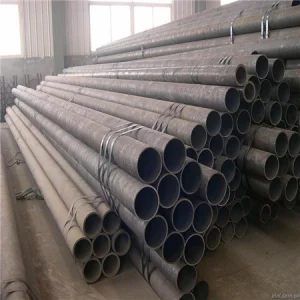
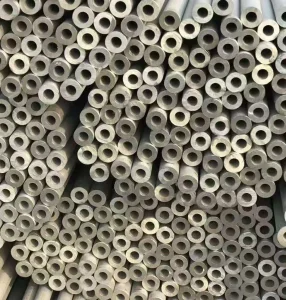
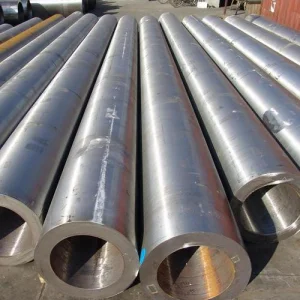
Certified High-Performance Alloy, Stainless, Carbon Steel, and Polymer Piping Systems
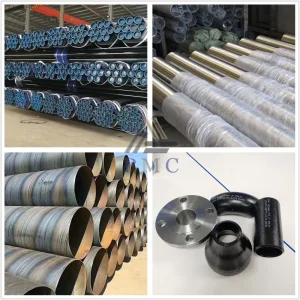
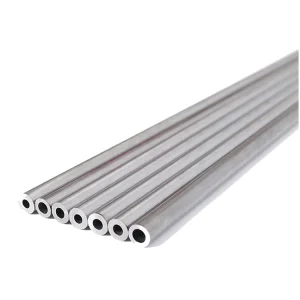
How Advanced Polymer Engineering is Redefining Low-Temperature Fluid Conveyance for Global Infrastructure
In modern industrial engineering, fluid handling at sub-zero and sub-freezing operating temperatures presents an immense physical challenge. Standard unplasticized polyvinyl chloride (PVC-U) systems typically suffer severe ductile-to-brittle transition (DBT) when exposed to environmental temperatures dropping below 0°C. Under cold shock loading or continuous inner hydrostatic pressure, standard PVC chains freeze into a rigid, glass-like state, leading to catastrophic micro-fractures, pipe burst failure, and costly operational shutdowns.
As a leading Chinese wholesale exporter of specialized piping systems, Guangzhou Flowtera Pipe Co., Ltd. has spearheaded the development and export of low-temperature resistant thermoplastic piping alongside our established carbon steel and stainless steel portfolios. By synthesizing advanced impact modifiers (such as CPE, acrylic rubbers, and MBS copolymers) into high-purity PVC resin matrices, engineering teams can suppress the brittle transition threshold without sacrificing tensile strength or chemical inertness.
Analyzing Glass Transition Temperature ($T_g$), Elastomeric Micro-Phases, and Stabilizer Matrices
To understand how a China Wholesale Low Temperature PVC Pipes Exporter achieves certified sub-zero performance, one must examine the polymer physics at the molecular level. Standard PVC features a Glass Transition Temperature ($T_g$) of approximately +80°C. Well below this range, at ambient conditions between -10°C and -40°C, the long polymer chains lose their segmental mobility. Without structural modification, any mechanical impact creates intense stress concentrations that propagate rapidly across cross-linking boundaries.
By blending Chlorinated Polyethylene (CPE) or core-shell acrylic impact modifiers into the rigid PVC resin, we create a interpenetrating elastomeric phase. These microscopic rubbery domains act as energy absorbers during high-velocity impacts at -30°C, stopping micro-crack propagation before structural cleavage occurs.
Flowtera utilizes non-toxic Calcium-Zinc (Ca-Zn) thermal stabilization systems coupled with organic co-stabilizers. This prevents polymer degradation during high-shear twin-screw extrusion, maintaining original chain length and molecular weight distribution crucial for low-temperature ductility.
Unlike flexible soft PVC, industrial low-temp pressure pipes are rigid or semi-rigid. The formulation precisely balances ultra-low volatility internal lubricants and low-molecular weight plasticizing agents to lower the embrittlement point while retaining high yield strength (≥ 45 MPa at 23°C).
| Physical Parameter | Test Standard | Standard PVC-U Pipe | Low-Temperature PVC Formulation | Engineering Benefit |
|---|---|---|---|---|
| Charpy Impact Strength (-20°C) | ISO 179 / ASTM D6110 | ≤ 3.5 kJ/m² (Brittle Failure) | ≥ 12.5 kJ/m² (Ductile Behavior) | Prevents fracture during cold handling & ice formation |
| Min. Continuous Service Temp. | ISO 1452 / Internal | 0°C (32°F) | -40°C (-40°F) | Suitable for arctic installation & quick-freezing plants |
| Vicatt Softening Temperature | ISO 306 (B50) | ≥ 80°C | ≥ 76°C - 82°C | Maintains thermal stability under variable process heat |
| Tensile Yield Strength (23°C) | ISO 527 / ASTM D638 | 48 - 55 MPa | 45 - 52 MPa | Preserves pressure containment capabilities (PN10-PN25) |
| Linear Thermal Expansion Coeff. | ASTM E831 | 7.0 × 10⁻⁵ /K | 5.2 × 10⁻⁵ /K | Reduces pipe movement and joint stress in freeze/thaw cycles |
Integrating State-of-the-Art Extrusion Lines with Precision Inspection Infrastructure in Guangzhou
Guangzhou Flowtera Pipe Co., Ltd. is a specialized manufacturer of alloy steel pipes, stainless steel tubes, and engineered thermoplastic piping systems, providing reliable industrial piping solutions for global engineering and infrastructure projects. Based in Guangzhou, a key industrial and logistics hub in China, the company integrates advanced manufacturing technology with efficient supply chain management to ensure consistent quality and timely delivery.
Established in 2011, Flowtera began as a regional supplier of standard steel pipes for construction and mechanical applications. By 2015, the company expanded into high-performance alloy steel and stainless steel piping, investing in modern production lines for seamless and welded tubes. In 2019, Flowtera further strengthened its capabilities by introducing precision testing equipment and automated inspection systems, enabling compliance with international standards and demanding project requirements.
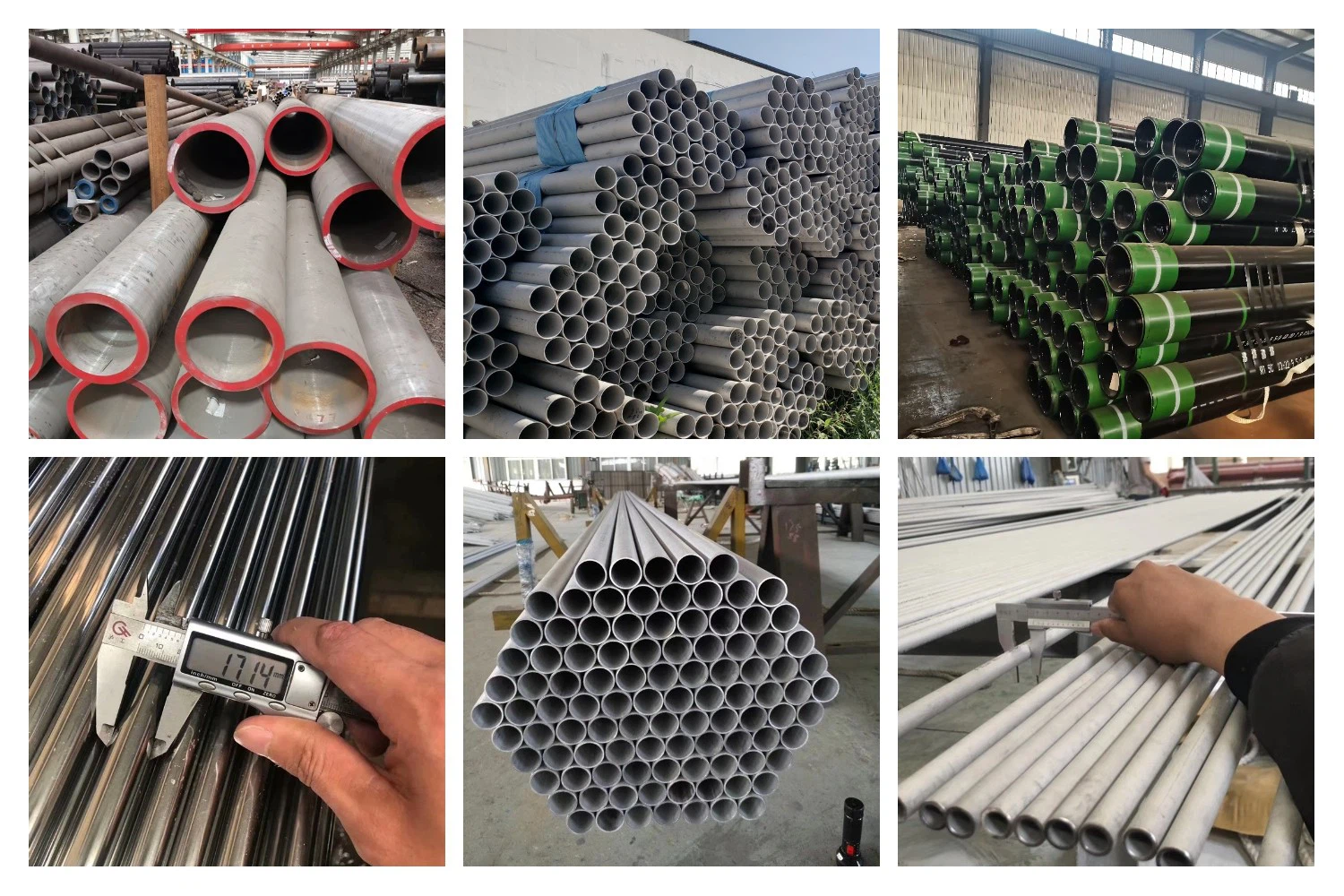
Our facility houses high-torque twin-screw extruders equipped with gravimetric dosing units to ensure strict molecular homogenization of low-temperature additives across all pipe wall thicknesses.
Ultrasonic wall-thickness scanners and online laser diameter gauges perform real-time measurements across 100% of production runs, ensuring tolerance conformity to ISO 1452 and DIN 8062.
Direct raw resin sourcing agreements with global petrochemical giants provide Flowtera with raw material stability, insulating international wholesale buyers from severe price volatility.
Full Alignment with ASTM, EN, DIN, and ISO International Regulatory Metrics
Global engineering firms, EPC contractors, and municipal procurers require uncompromised regulatory alignment. Guangzhou Flowtera operates under strict quality management systems and holds certifications including ISO 9001, with products meeting ASTM, EN, and DIN standards. Committed to innovation, safety, and customer satisfaction, Flowtera continues to serve clients worldwide with durable and cost-effective piping solutions.
Before any container departs Guangzhou port, our internal QC department executes a rigorous 4-step physical check:
Deploying Low-Temperature PVC Systems Across High-Stress Industrial Environments
In mega-scale logistics hubs and blast freezer facilities operating between -15°C and -35°C, standard drainage pipes freeze and shatter upon ice expansion. Low-temp PVC maintains elasticity, absorbing freeze expansion without longitudinal cracking during secondary defrosting cycles.
In Northern European, North American, and Central Asian regions, shallow buried mains endure seasonal frost heaves and ground movement at -25°C. The enhanced flexural modulus of modified PVC prevents joint dislodgement and pipe fracture caused by soil swelling.
Vessels sailing in arctic waters face severe icy spray and mechanical vibrations. Stainless steel piping suffers from pitting in salt air, while regular PVC fails from cold shock. Flowtera’s UV-stabilized low-temp PVC provides corrosion-proof deck drainage.
Ground-source heat pump circuits often circulate sub-freezing glycol-water mixtures (-5°C to -12°C). Low-temp PVC lines maintain tight solvent-weld bond integrity under continuous ground thermal cycling.
Industrial processing facilities handling chilled acids, alkalis, and saline slurries require non-reactive piping. Modified PVC eliminates internal scale buildup, resisting chemical attack where metallic pipes degrade.
High-altitude mining sites in the Andes or Central Asia face extreme daily temperature swings (-20°C night to +25°C day). Low-temp PVC handles ambient solar UV alongside sub-zero fluid transportation without embrittlement.
Decarbonization, Smart Monitoring, and Advanced Polymer Hybrid Systems
The global industrial piping landscape is experiencing major technological shifts driven by environmental mandates, energy efficiency imperatives, and smart infrastructure integration. Over the next decade, exporters and manufacturers who lead in information gain and technological innovation will define the market.
Transitioning from traditional stabilizer matrices toward 100% bio-based organic stabilizers derived from renewable oil sources. Flowtera is evaluating bio-attributed PVC resins that reduce product carbon footprints by up to 35% while retaining identical low-temperature impact capabilities.
Future low-temperature installations will embed continuous optical fiber or conductive traces within the PVC pipe wall. This allows operators to monitor strain, internal ice blockages, and temperature deltas in real-time before structural failure can occur.
With nickel and molybdenum price fluctuations impacting stainless steel costs, engineering procurement groups are substituting metal alloys with low-temperature PVC-U and PVC-C in non-extreme temperature chemical lines, cutting project capex by up to 60%.
Direct Answers to Critical Sourcing, Installation, and Material Questions
Comprehensive Engineering Supplies by Guangzhou Flowtera Pipe Co., Ltd.
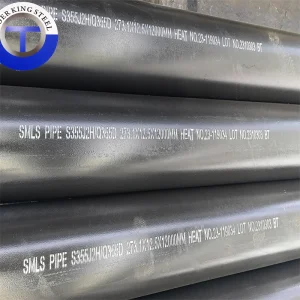
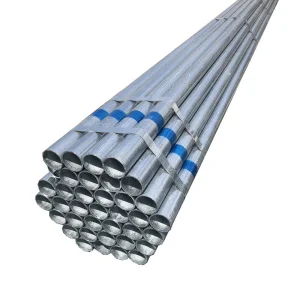
Your Trusted Chinese Wholesale Exporter for Sub-Zero & High-Performance Piping Systems
Guangzhou Flowtera Pipe Co., Ltd. is a specialized manufacturer of alloy steel pipes and stainless steel tubes, providing reliable industrial piping solutions for global engineering and infrastructure projects. Based in Guangzhou, a key industrial and logistics hub in China, the company integrates advanced manufacturing technology with efficient supply chain management to ensure consistent quality and timely delivery.
Established in 2011, Flowtera began as a regional supplier of standard steel pipes for construction and mechanical applications. By 2015, the company expanded into high-performance alloy steel and stainless steel piping, investing in modern production lines for seamless and welded tubes. In 2019, Flowtera further strengthened its capabilities by introducing precision testing equipment and automated inspection systems, enabling compliance with international standards and demanding project requirements.
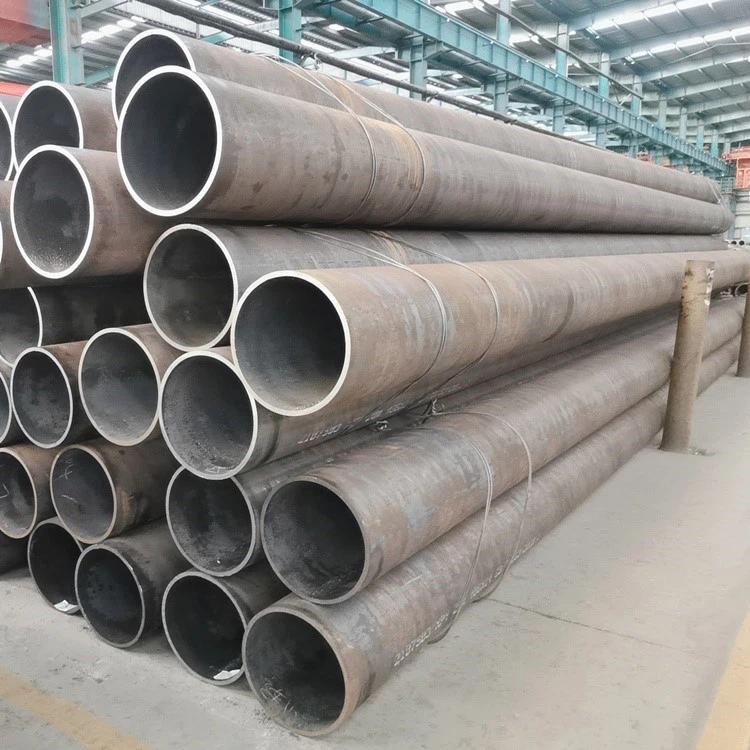
The company’s product range includes seamless alloy steel pipes, welded stainless steel tubes, duplex and super duplex pipes, as well as customized solutions for high-pressure, high-temperature, and corrosive environments. These products are widely used in industries such as oil and gas, petrochemical, power generation, shipbuilding, and construction.
 Flowtera Pipe