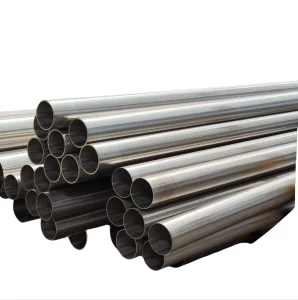
Exploring structural integrity, fluid dynamics, and metallurgy indicators in modern high-pressure environments.
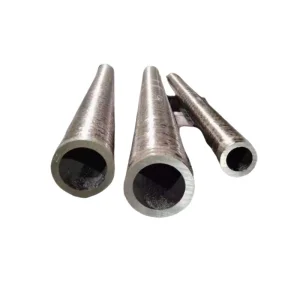
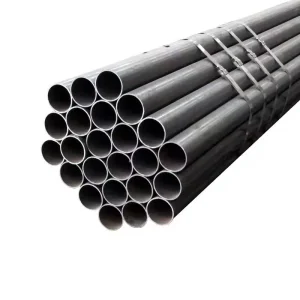
Unlike welded pipes that contain a longitudinal heat-affected zone prone to stress-corrosion cracking, seamless steel pipes are formed through solid billet piercing. This creates a homogeneous steel boundary capable of handling multidirectional hoop stresses.
Utilizing high-purity carbon-manganese matrices, our products are engineered to function optimally in low-temperature environments down to -45°C (ASTM A333) and high-temperature steam services scaling up to 550°C (ASTM A106 Grade B / C).
Constructed specifically for structural systems requiring high safety factors. The absence of weld defects minimizes catastrophic failure opportunities in refineries, high-pressure steam distribution grids, and offshore deep-sea pipelines.
"In heavy industrial fluid systems, the selection of piping material dictates the life expectancy of the overall asset. Seamless carbon steel pipes remain the gold standard due to their isotropic mechanical properties, ensuring complete radial uniformity of strength under extreme pressure fluctuations."
Deciphering engineering standards to align with mechanical parameters and installation demands.
| Standard Specification | Common Industrial Grades | Key Material Characteristics | Ideal Application Environment |
|---|---|---|---|
| ASTM A106 / ASME SA106 | Grade A, Grade B, Grade C | High-temperature service, silicon-killed steel, high tensile stability. | Petroleum refineries, petrochemical plants, high-pressure steam power systems. |
| ASTM A53 / ASME SA53 | Grade A, Grade B (Type S) | General use, structural load properties, simple mechanical machining compatibility. | Steam, water, gas, air pipelines, and low-pressure structural setups. |
| API 5L / ISO 3183 | PSL1 & PSL2 (Gr. B, X42, X52, X60, X65, X70) | Strict chemical limits, fracture toughness validation, sour service compatibility (NS). | Cross-country crude oil transportation, natural gas distribution, offshore risers. |
| ASTM A333 / ASME SA333 | Grade 1, Grade 3, Grade 6 | Fine-grain normalized microstructure, Charpy V-notch tested down to -45°C. | Cryogenic fluid transportation, Arctic engineering installations, liquefied gas transport. |
| ASTM A192 / ASME SA192 | Low Carbon Steel Boiler Grade | Optimized thermal conductivity, precise wall tolerance, high ductility. | High-pressure superheaters, boiler tubes, heat exchangers, condenser tubes. |
The selection of the specific standard depends heavily on chemical concentrations (Carbon Equivalent Value - CEV) and mechanical properties like Yield Strength and Ultimate Tensile Strength. At Guangzhou Flowtera Pipe Co., Ltd., we execute continuous testing to ensure every batch of raw material complies with the exact requirements of international project engineers.
Seamless carbon steel pipes must perform reliably under diverse geographic, atmospheric, and corrosive conditions. From sub-zero offshore fields in the North Sea to high-temperature oil and gas processing stations in the Middle East, our materials are optimized to handle severe conditions:
These customized material behaviors reduce local project execution risks, ensuring compliance with local environmental laws and plant safety codes.
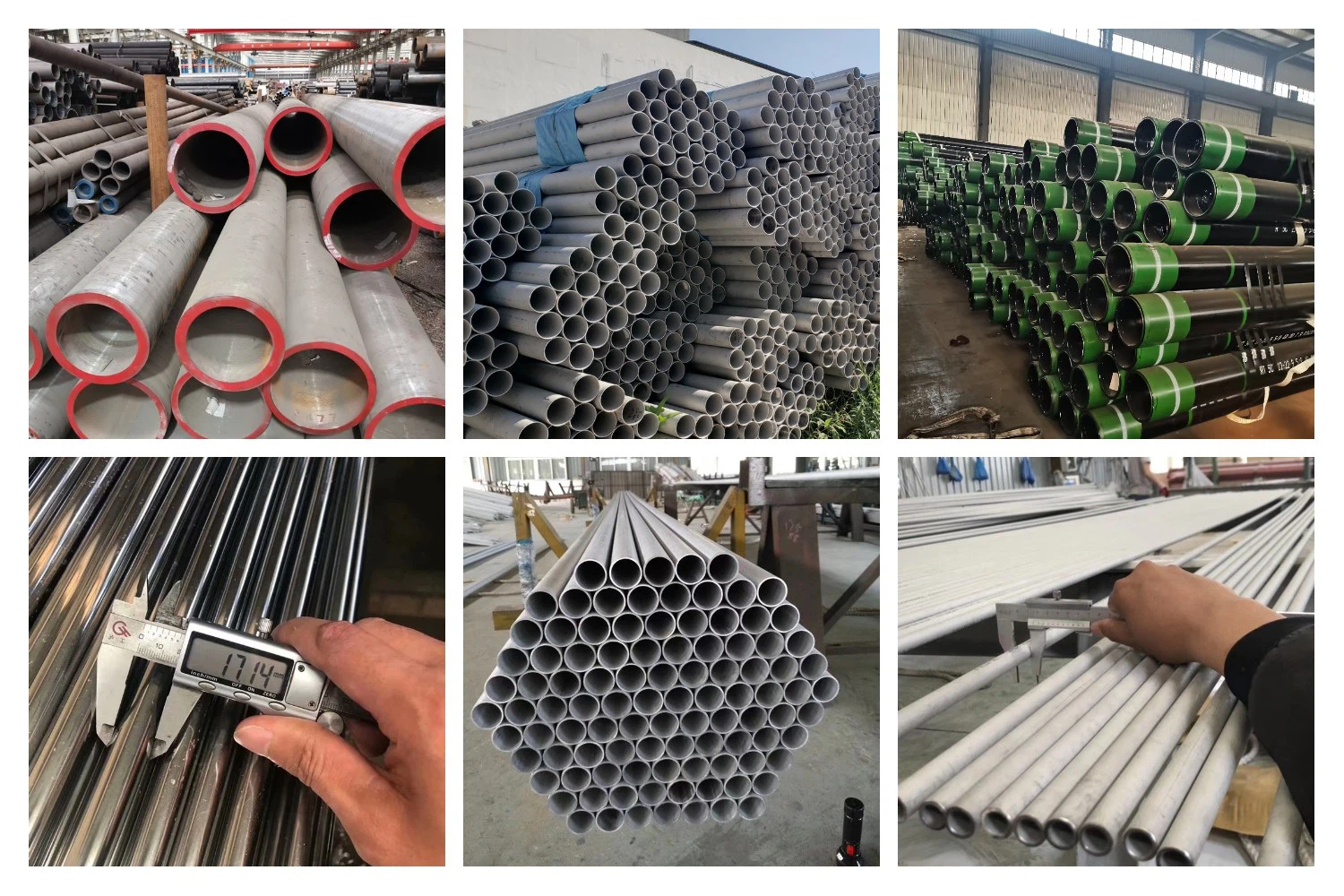
Leveraging domestic raw material integration, high-capacity automation, and rapid port logistics.
We source raw steel rounds from top-tier Chinese domestic steel producers. This ensures consistent chemistry, minimal non-metallic inclusion rates, and structural homogeneity throughout the production cycle.
Established in 2011 as a regional standard pipe distributor. By 2015, we expanded into high-performance alloy and stainless steel seamless pipe fabrication. In 2019, we introduced computerized automation for ultrasonic inspection and structural load testing.
Operating out of Guangzhou, one of China's premier maritime and logistics hubs, we minimize inland transportation delays. This allows us to load, secure, and clear shipments for international freight in record turnaround times.
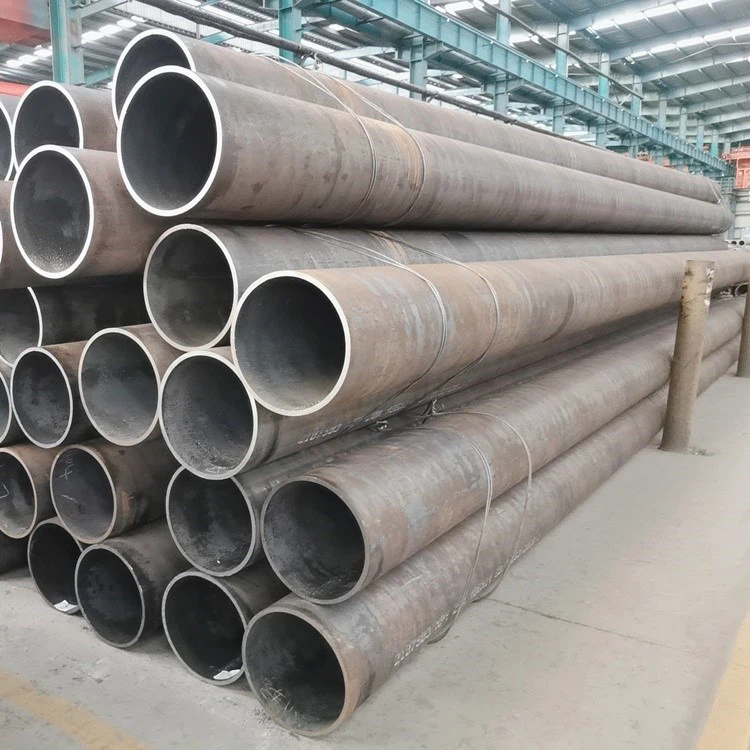
Modern engineering projects require strict dimensional control. To address this, our manufacturing facilities integrate cold-drawing and hot-rolling techniques:
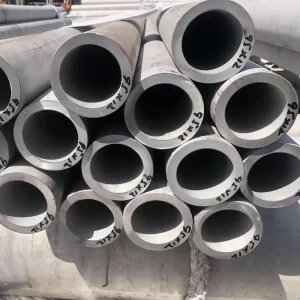
Hot-Rolled Seamless Pipes: Best suited for large-diameter pipelines, structural piles, and heavy-walled pressure vessels. Steel billets are heated above recrystallization temperatures and pierced, creating high structural density and optimal resistance to internal stress.
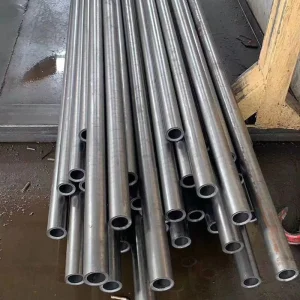
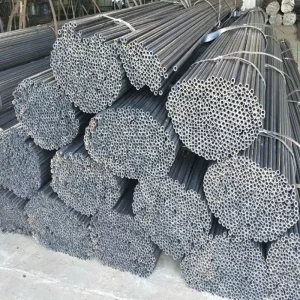
Cold-Drawn Precision Pipes: Ideal for mechanical tubes and heat exchangers requiring tighter tolerances, smooth finishes, and higher tensile limits. Solid billets are cold-drawn through custom sizing dies, improving dimensional accuracy.
Both manufacturing pathways feature precise thermal treatments to optimize grain size and yield-to-tensile ratios.
Every seamless steel pipe is subjected to strict quality control to guarantee absolute reliability under pressure.
Each pipe is pressurized internally to verified limits to ensure no structural weeping or pinhole leaks exist, validating the integrity of the steel matrix.
Uses high-frequency sound waves to scan the entire steel body, detecting internal inclusions, voids, or thickness variations with high precision.
We provide full chemical and mechanical Mill Test Certificates (MTC) with every delivery, detailing raw heat analysis, elongation values, and impact testing.
To resist external corrosion, we offer 3-Layer Polyethylene (3LPE), Fusion Bonded Epoxy (FBE), black varnishing, and hot-dip galvanizing options.
Adapting pipeline manufacturing to meet carbon-reduction goals and support clean energy infrastructure.
As the energy industry transitions toward cleaner alternatives, the demands on transport pipelines are changing. Hydrogen transport requires pipelines resistant to hydrogen embrittlement. Standard carbon steels can crack when exposed to atomic hydrogen under pressure. Guangzhou Flowtera Pipe Co., Ltd. is refining alloy and manufacturing techniques to design carbon steel matrices with optimized carbide dispersions. These act as benign hydrogen traps, preventing embrittlement.
In addition, our manufacturing facilities are continually working to reduce energy consumption. By optimizing furnace designs, recycling heat from the rolling process, and sourcing steel billets with higher recycled content, we offer products with a lower carbon footprint without compromising mechanical performance.
Answering common technical questions on ordering, customization, design codes, and delivery.
ASTM A106 is designed specifically for high-temperature and high-pressure steam service, containing silicon additions that improve thermal stability and creep resistance. ASTM A53 is a general-purpose pipe specification commonly used for low-to-medium pressure liquid pipelines, structural framing, or air distribution.
Our standard testing program includes hydrostatic testing, ultrasonic examination, visual dimensional checking, and chemical analysis. For critical projects, we can also perform Charpy impact testing (especially for low-temperature service under ASTM A333), hardness testing, and third-party inspections (SGS, TUV, BV).
To prevent rust during transit, pipes are coated with light oil, clear lacquer, or black varnish. Pipe ends are covered with plastic caps to protect the inner surface and beveled edges from moisture and impact. Heavy structural options can be hot-dip galvanized or coated with 3LPE/FBE.
Yes. We offer standard schedules (SCH 40, SCH 80, SCH 160, SCH XXS) as well as custom OD and wall thickness combinations. Custom requirements are met through precision cold-drawing, with sizing dies tailored to your project specs.
Standard stocked items can be shipped within 7 to 10 days of order confirmation. For custom manufacturing runs, processing and heat-treating typically takes 25 to 45 days, depending on the volume and technical requirements.
Yes, we supply pipeline grades (such as API 5L PSL2) that meet NACE MR0175 guidelines. These grades feature low sulfur and carbon content, along with specific heat treatments, to resist Hydrogen-Induced Cracking (HIC) and Sulfide Stress Cracking (SSC) in sour gas environments.
 Flowtera Pipe