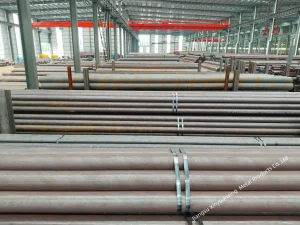
In the modern industrial landscape, the integrity of sub-surface and sub-sea infrastructure is the cornerstone of global energy security. Guangzhou Flowtera Pipe Co., Ltd. stands at the forefront of this mission as a premier China FBE Coated Line Pipes manufacturer. Fusion Bonded Epoxy (FBE) is not merely a coating; it is a thermosetting polymer technology that provides a molecular bond to the steel surface, creating an impermeable barrier against the most aggressive environmental catalysts.
Our commitment to E-E-A-T (Experience, Expertise, Authoritativeness, and Trustworthiness) ensures that every meter of line pipe leaving our factory meets the rigorous demands of ASTM, API 5L, and CSA Z245.20 standards. By integrating advanced thermodynamic application processes with high-grade carbon and alloy steel, we provide a lifecycle solution that drastically reduces Maintenance, Repair, and Operations (MRO) costs for stakeholders in the petrochemical and water transmission sectors.
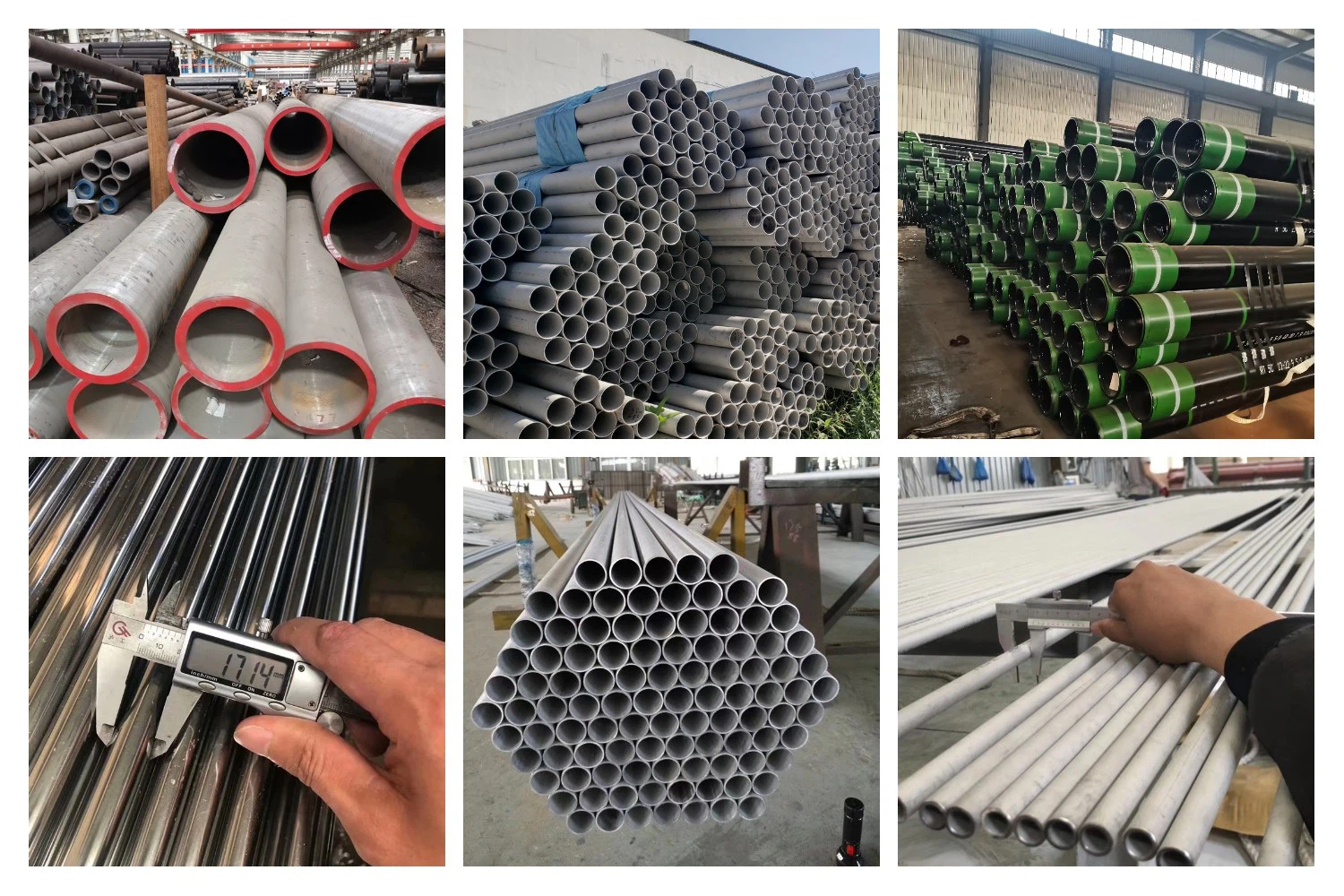
The efficacy of an FBE coated pipe is determined in the first few seconds of production. At Flowtera, our process follows a high-precision roadmap:
Established Year
Annual Tonnage
9001 Certified
Global Export Markets
The global industrial sector often faces volatility in raw material pricing and logistical delays. However, being based in Guangzhou—a primary global logistics and steel hub—allows Guangzhou Flowtera Pipe Co., Ltd. to offer unparalleled supply chain resilience.
Our factory leverages the proximity to high-quality steel billets and specialized epoxy resin producers, ensuring that our lead times are 30% faster than the industry average. By integrating vertical manufacturing—from the production of ERW and Seamless pipes to the final FBE coating application—we maintain total control over the Quality Assurance (QA) cycle.
We combine steel manufacturing and coating under one roof, eliminating transit damage and reducing costs.
Located near major ports, facilitating rapid deployment to the Middle East, Southeast Asia, and the Americas.
We are currently researching the integration of nano-particles into the epoxy matrix to enhance impact resistance and thermal stability for high-temperature fluid transmission.
Our upcoming production lines will focus on Dual-Layer FBE, featuring a base layer for corrosion protection and a top layer for mechanical protection against rocky backfills.
Moving towards 100% VOC-free powder coatings and closed-loop heat recovery systems in our Guangzhou facility to meet global ESG standards.
The future of line pipes lies in "Information Gain"—where the pipe itself provides data. We are exploring the integration of fiber optic sensors within the FBE coating layers to allow real-time monitoring of pipeline strain, temperature, and leakage, transitioning from passive protection to active intelligence.
FBE coated pipes are not a "one-size-fits-all" product. Flowtera customizes solutions for diverse localized environments:
Our FBE coatings are optimized for high soil temperatures and resistance to cathodic disbondment, critical for the oil and gas corridors of Saudi Arabia and the UAE.
For seawater desalination plants and offshore platforms, our pipes provide superior resistance to chloride-induced corrosion and marine growth.
In high-density urban areas like Singapore or London, our FBE coated pipes ensure 50+ years of maintenance-free service for potable water systems.
As the world moves toward Hydrogen, we are testing FBE coatings for their ability to mitigate hydrogen embrittlement in repurposed steel pipelines.
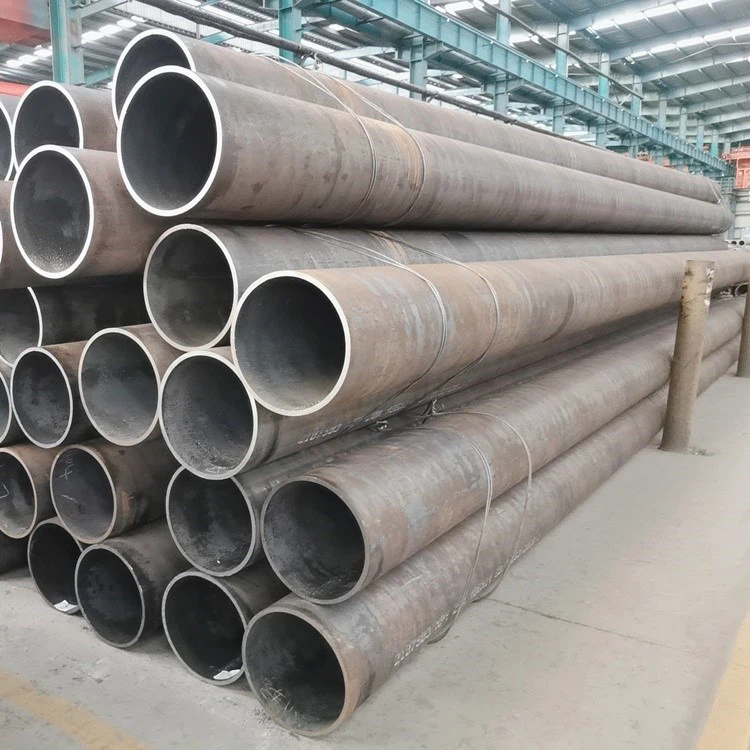
Established in 2011, Flowtera began as a regional supplier of standard steel pipes for construction. By 2015, we transitioned into high-performance alloy and stainless steel, recognizing the global need for more durable materials. In 2019, we introduced automated inspection systems, solidifying our status as a premium manufacturer.
Today, we operate under ISO 9001 certification, serving industries ranging from power generation to shipbuilding. Our commitment to innovation, safety, and customer satisfaction makes us a trusted partner for global engineering firms.
When manufactured to Flowtera's standards and coupled with a properly designed cathodic protection system, FBE coated pipes can exceed a service life of 50 to 75 years in underground environments.
FBE provides superior adhesion and resistance to cathodic disbondment. While 3LPE offers better mechanical protection against physical damage, FBE is the preferred choice for high-temperature services and where chemical bonding is prioritized.
Yes, specifically formulated FBE powders are certified to NSF/ANSI 61 standards, making them safe for internal coating in drinking water transmission lines.
We provide a "cutback" at the pipe ends (typically 50mm to 150mm) where the steel is left bare to allow for welding. After the joint is made, a field joint coating (FJC) such as heat-shrink sleeves or liquid epoxy is applied.
 Flowtera Pipe