High-integrity alloy, sanitary, and structural steel lines built to withstand harsh fluid dynamics, corrosive chemistry, and extreme thermal transitions.
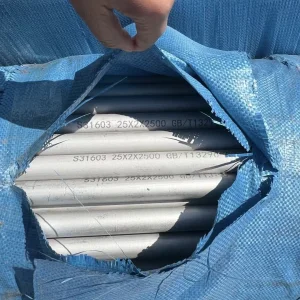
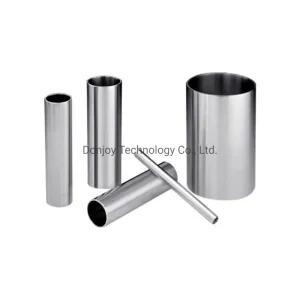
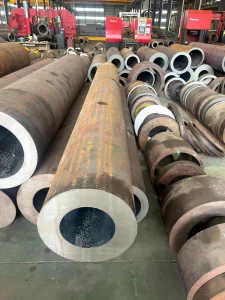
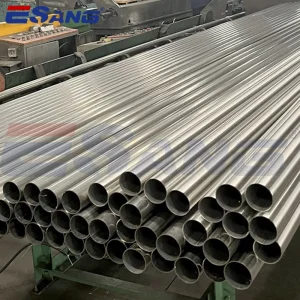
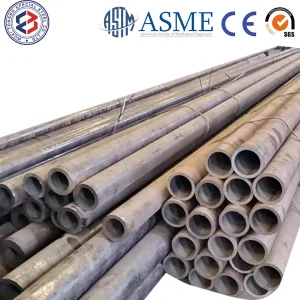
Modern commercial infrastructure demands an uncompromising approach to active life safety. At the heart of these fire suppression schemes lies the fire sprinkler steel pipe network, a critical fluid containment system designed to remain dormant under constant hydrostatic pressure, yet instantly deliver high-volume suppression flow in life-critical events. Structuring these installations requires deep engineering insight into metallurgical fatigue, pressure boundaries, and corrosion mechanics.
Historically, default installations utilized carbon steel pipes governed by ASTM A53. However, with the complex design paradigms of today's mega-complexes, high-rises, and industrial sites, design engineers are shifting towards high-performance alloy structures, specialized internal coatings, and custom stainless options. Modern systems must balance hydraulic efficiency, weight distribution, and decades-long resilience against Microbiologically Influenced Corrosion (MIC).
Utilizing high-strength materials allows for minimized wall thickness (Schedule 10 vs Schedule 40), yielding a wider internal diameter. This increases the Hazen-Williams C-value, decreasing system friction losses and allowing smaller, more cost-efficient pipe dimensions to meet NFPA 13 pressure requirements.
Uncontrolled oxygenated water and microbiological colonization can result in pipe wall thinning, pinhole leaks, and clogged sprinkler orifices. Upgrading to high-alloy, duplex stainless steel, or applying factory hot-dip galvanization is key to mitigating system decay.
Modern structural demands have replaced standard threading with grooved couplings and advanced welding. Prefabricated, roll-grooved, and cut-grooved steel tubes reduce construction timelines by up to 60%, delivering structural flexibility in seismic areas.
Guangzhou Flowtera Pipe Co., Ltd. is a specialized manufacturer of alloy steel pipes and stainless steel tubes, providing reliable industrial piping solutions for global engineering and infrastructure projects. Based in Guangzhou, a key industrial and logistics hub in China, the company integrates advanced manufacturing technology with efficient supply chain management to ensure consistent quality and timely delivery.
Established in 2011, Flowtera began as a regional supplier of standard steel pipes for construction and mechanical applications. By 2015, the company expanded into high-performance alloy steel and stainless steel piping, investing in modern production lines for seamless and welded tubes. In 2019, Flowtera further strengthened its capabilities by introducing precision testing equipment and automated inspection systems, enabling compliance with international standards and demanding project requirements.
The company’s product range includes seamless alloy steel pipes, welded stainless steel tubes, duplex and super duplex pipes, as well as customized solutions for high-pressure, high-temperature, and corrosive environments. These products are widely used in industries such as oil and gas, petrochemical, power generation, shipbuilding, and construction.
Guangzhou Flowtera Pipe Co., Ltd. operates under strict quality management systems and holds certifications including ISO 9001, with products meeting ASTM, EN, and DIN standards. Committed to innovation, safety, and customer satisfaction, Flowtera continues to serve clients worldwide with durable and cost-effective piping solutions.
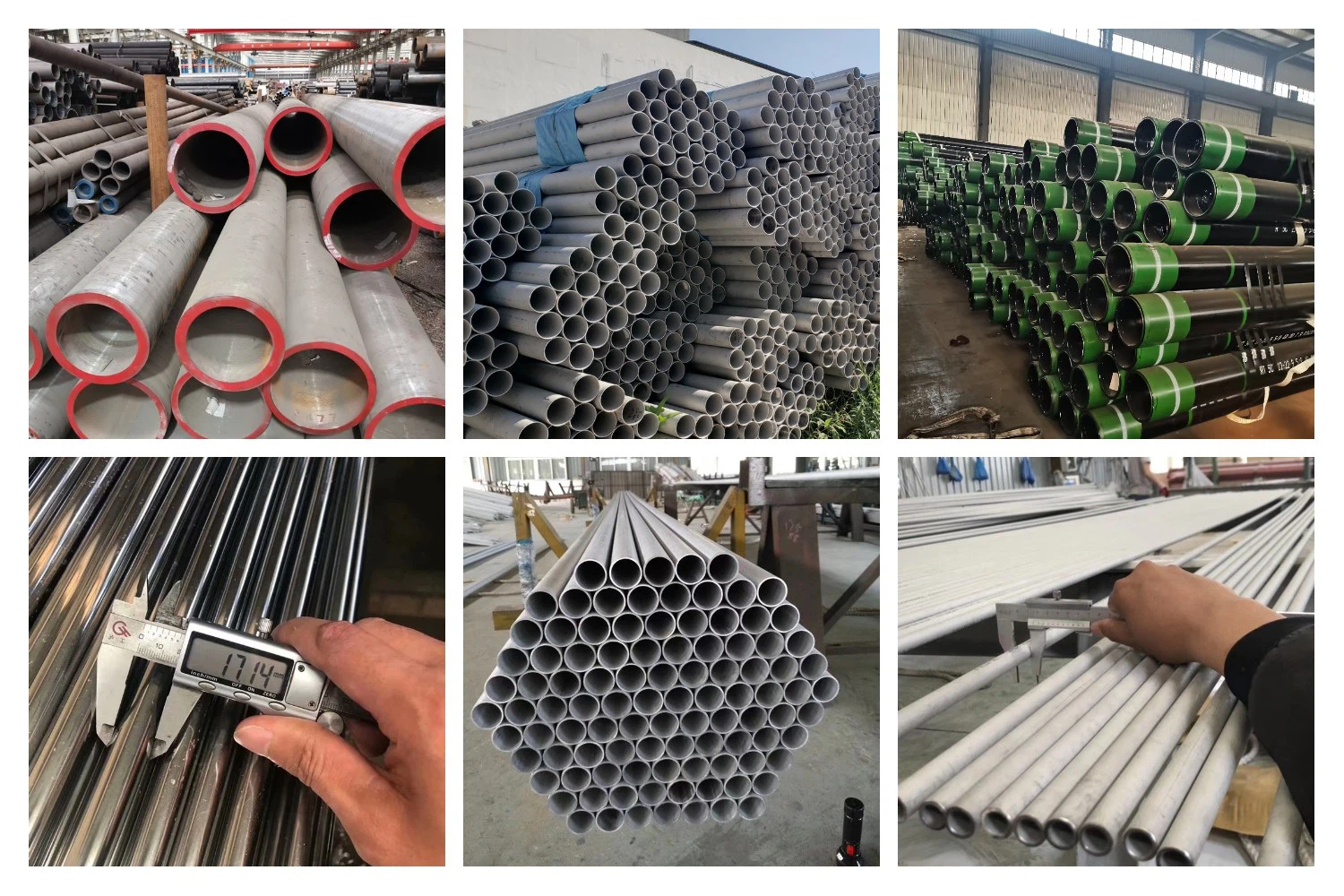
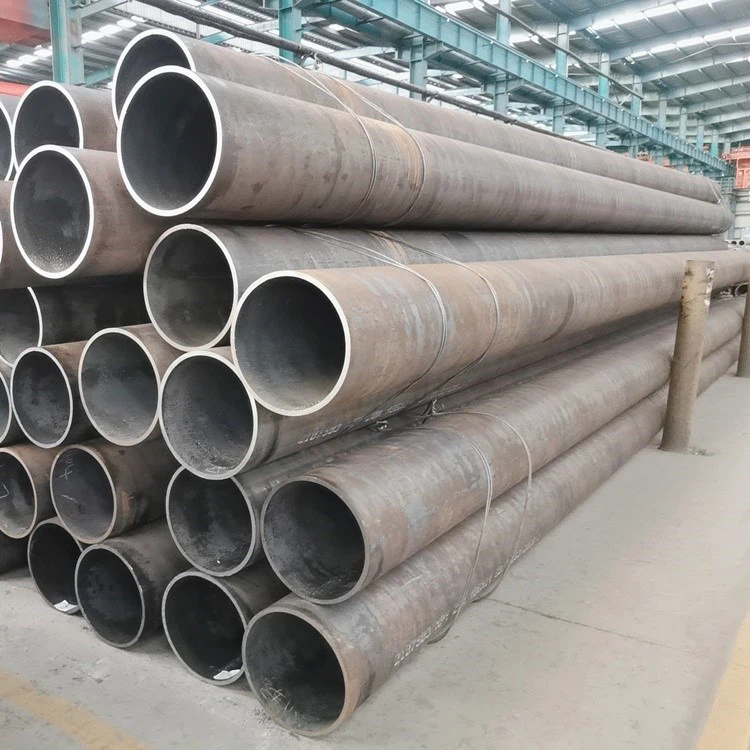
Sourcing pipeline packages for massive industrial, chemical, or multi-family high-rise residential installations demands robust supply-chain evaluation. Sourcing specialists must navigate regional tariff frameworks, certification guidelines, and mechanical limits. A failure to secure qualified materials can jeopardize building certification, inflate insurance premiums, or trigger complete system failure during pressure events.
To successfully execute global procurements, projects must adhere to three foundational quality principles:
| Material Classification | Standards Compliance | Common Applications | Corrosion Protection Options | Pressure Class Rating |
|---|---|---|---|---|
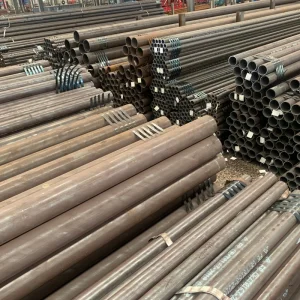
| Carbon Steel | ASTM A53, ASTM A795, EN 10255 | Wet Pipe Fire Suppression, Dry Valve Systems | Hot-Dip Galvanized, Internal Epoxy, Red Primer | Up to 300 PSI (20.7 Bar) |
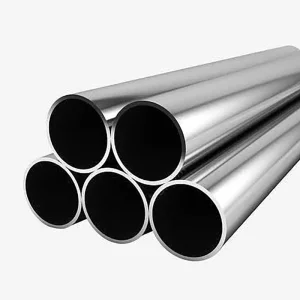
| Stainless Steel (304L/316L) | ASTM A312, EN 10217-7, JIS G3459 | Offshore Rigs, Marine, Chemical Facilities | Passive Film Layer (Highly Corrosion Resistant) | Up to 500 PSI (34.5 Bar) |
| Alloy Steel | ASTM A335, EN 10216-2, ASTM A333 | Boilers, High-Temp Power Gen, Geothermal | Pre-heat Treated, Thermal Spray Aluminium | High Pressure (Exceeding 500 PSI) |
| Super Duplex Steel | ASTM A790, UNS S32750/S32205 | Desalination Plants, Deep Ocean Firewalls | Highly resistant to pitting, pitting resistant equivalent (PREN > 40) | Extreme High Pressure (up to 1500 PSI) |
Fire protection networks operate within a wide variety of structural and ambient conditions. Industrial engineers specify different piping strategies depending on physical, thermodynamic, and chemistry challenges. Understanding the core application environments ensures long-term integrity and trouble-free maintenance.
In unheated warehouses or sub-zero environments, wet systems run the risk of freezing, expanding, and rupturing pipes. Engineers utilize dry pipe or pre-action systems, charging the network with pressurized nitrogen or air. For these demanding installations, using high-integrity, hot-dip galvanized carbon steel or stainless steel is essential to limit corrosion from residual condensation.
Marine environments, chemical plants, and refineries present severe external and internal corrosion risks. Standard carbon steel pipes will experience rapid oxidation when exposed to sea spray, marine salt, and chemical fumes. Deploying premium stainless steel (like SUS316L, duplex S32205, or super duplex alloys) offers long-term resistance to chloride pitting, ensuring optimal fluid flow in critical moments.
Vertical structures require high pressure to deliver water to upper levels. The lower portions of riser mains must withstand severe hydrostatic loads, frequently exceeding 300 PSI. Sourcing high-tensile, seamless alloy or carbon steel tubes ensures these systems perform safely under heavy pressure profiles.
As the construction and manufacturing sectors adopt digital workflows, the fire suppression industry is implementing smarter technologies, automation, and sustainable materials.
Modern developers utilize Building Information Modeling (BIM) to map complete structures. Factories prefabricated, cut, and groove pipes off-site. Delivery of pre-assembled segments allows for rapid plug-and-play installation, reducing jobsite errors.
Future networks will feature real-time pressure, flow, and temperature tracking sensors. Sourcing piping compatible with monitoring fittings enables operations teams to locate minor leaks, pressure drops, or blocks before they escalate.
Decarbonizing construction is driving demand for green steel. Leading piping manufacturers are leveraging electric arc furnace (EAF) production powered by renewable energy, reducing the environmental footprint of structural safety components.
Expert technical insights regarding material specifications, industry safety regulations, and project management best practices.
Fire protection systems generally specify Schedule 10 or Schedule 40 steel pipes. Schedule 40 pipes feature thicker walls, providing higher structural integrity for threaded connections. Schedule 10 pipes have thinner walls, saving weight and material costs. However, they require roll-grooved mechanical connections rather than traditional threading, as threading would compromise the thin pipe wall.
Hot-dip galvanizing coats the interior and exterior of carbon steel pipes with a protective zinc layer. In wet fire protection systems, this zinc barrier shields the underlying steel from oxygen and moisture. This process minimizes oxidation and rust buildup, which could otherwise restrict flow or block critical sprinkler nozzles during activation.
Marine and offshore platforms are exposed to saltwater, humidity, and chemical vapors. Standard carbon steel pipes corrode quickly in these conditions. Stainless steel 304L and 316L alloys contain chromium and nickel, creating a passive oxide layer that resists chloride pitting and structural degradation.
Flowtera pipes undergo strict Non-Destructive Testing (NDT), including hydrostatic testing, eddy current analysis, and ultrasonic inspections. Ultrasonic testing checks for consistency in wall thickness and welds, while hydrostatic testing ensures the pipes can withstand the high-pressure surges typical of fire protection systems.
Yes, high-frequency Electric Resistance Welded (ERW) steel pipes are widely approved for fire sprinkler systems under ASTM A53 and ASTM A795. Modern automated manufacturing ensures strong, reliable welds. However, for extreme high-pressure applications or severe environments, engineers may still specify seamless alloy or stainless steel pipes to eliminate the weld seam entirely.
MIC is localized corrosion caused by microbes (like sulfate-reducing bacteria) present in water. In static systems like wet-pipe fire lines, these microbes can create corrosive deposits, resulting in pinhole leaks. This risk can be reduced by using corrosion-resistant stainless steel (316L), applying internal epoxy coatings, and treating the water with biocides.
Discover our comprehensive collection of mechanical, alloy structural, sanitary, and ultra-large diameter piping designed for critical project infrastructure.
 Flowtera Pipe