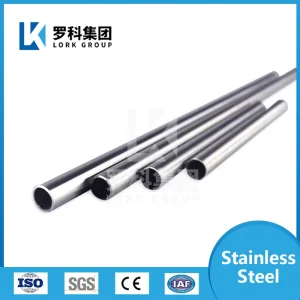
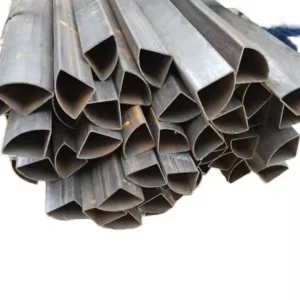
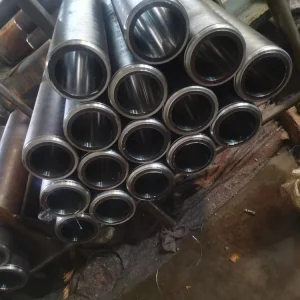
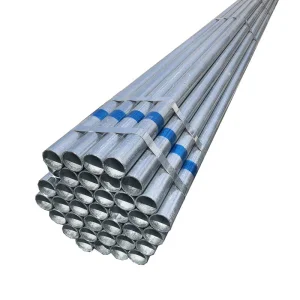
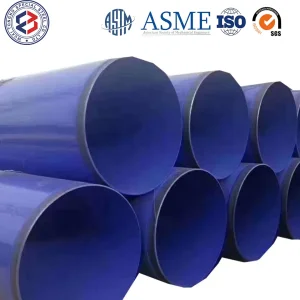
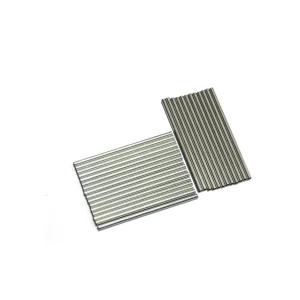
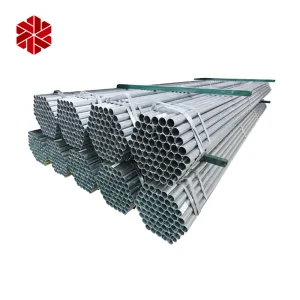
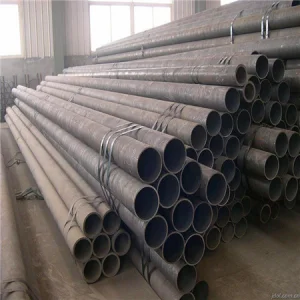
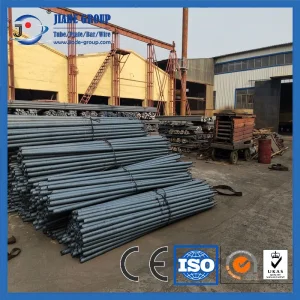
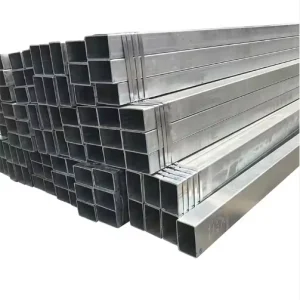
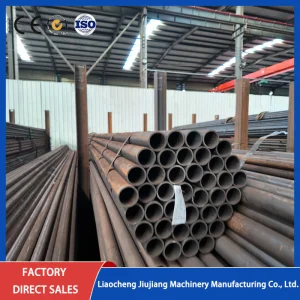
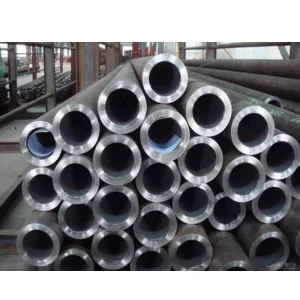
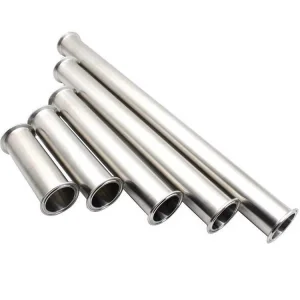
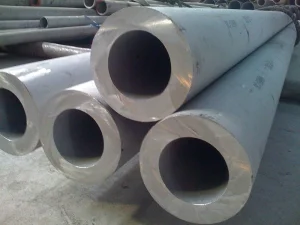
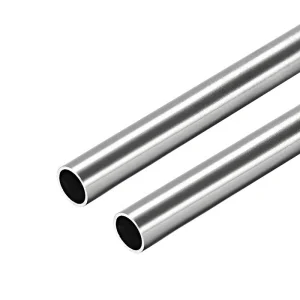
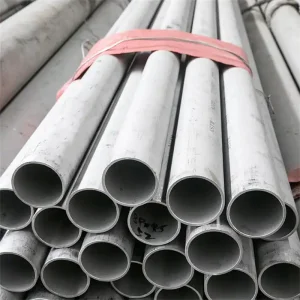
In the global fluid power sector, the precision of a hydraulic cylinder hinges entirely on the quality of its inner surface. Hydraulic honed tubes, typically manufactured from cold-drawn seamless steel (such as E355, ST52, or 20# steel), require rigorous standards in dimensional tolerance, straightness, and surface roughness (Ra). As a specialized manufacturer, Guangzhou Flowtera Pipe Co., Ltd. sits at the intersection of material science and high-precision mechanical engineering.
China has evolved into the world's premier hub for hydraulic tubing production due to a uniquely integrated supply chain. Unlike regional distributors, top-tier Chinese factories control the entire process—from steel smelting and rolling to cold drawing, heat treatment, and the critical final stage: honing or skiving & roller burnishing (SRB). This vertical integration minimizes lead times and maximizes quality control, ensuring that every tube meets the strict pressure requirements of modern hydraulic machinery.
For global procurement managers, identifying a reliable supplier requires evaluating technical benchmarks. Professional manufacturers must comply with:
The transition toward "Industry 4.0" is redefining how we supply hydraulic components. Recent trends highlight a shift towards automated quality inspection—using laser scanning and ultrasonic flaw detection—to verify the structural integrity of every meter of tubing. Furthermore, as the world moves toward green manufacturing, Chinese suppliers are increasingly adopting high-efficiency, low-pollution acid pickling and phosphating lines, ensuring compliance with international environmental standards while maintaining competitive pricing.
Guangzhou Flowtera Pipe Co., Ltd. is a specialized manufacturer of alloy steel pipes and stainless steel tubes, providing reliable industrial piping solutions for global engineering and infrastructure projects. Based in Guangzhou, a key industrial and logistics hub in China, the company integrates advanced manufacturing technology with efficient supply chain management.
Established in 2011, Flowtera began as a regional supplier of standard steel pipes for construction and mechanical applications. By 2015, the company expanded into high-performance alloy steel and stainless steel piping, investing in modern production lines for seamless and welded tubes. In 2019, Flowtera further strengthened its capabilities by introducing precision testing equipment and automated inspection systems, enabling compliance with international standards such as ASTM, EN, and DIN.
With a commitment to innovation, safety, and customer satisfaction, Flowtera continues to serve clients worldwide, providing durable and cost-effective solutions for the oil and gas, petrochemical, power generation, and construction industries.
1. What materials are best for high-pressure hydraulic cylinders?
Typically, low-carbon, cold-drawn seamless steel pipes (e.g., DIN 2391 / EN 10305-1, E355, ST52) are used. For corrosive environments, we recommend stainless steel grades like 304L or 316L, or specialized nickel alloys for extreme temperature applications.
2. What is the difference between Honing and Skiving & Roller Burnishing?
Honing is a traditional grinding process providing high surface accuracy. Skiving & Roller Burnishing (SRB) is faster, compressing the surface layer to increase hardness and create an excellent finish, which is ideal for high-speed, mass-production applications.
3. How do you ensure quality consistency?
We utilize ISO 9001 certified protocols, including 100% dimensional inspection, ultrasonic testing for internal flaws, and hydrostatic pressure testing to ensure every batch meets your project requirements.
 Flowtera Pipe