The Backbone of Modern Infrastructure and Energy Transport
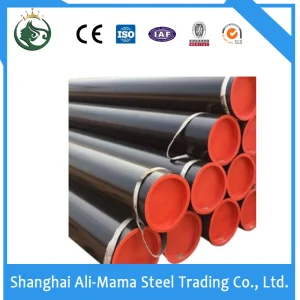
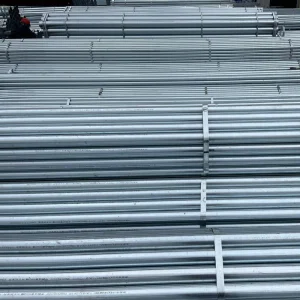
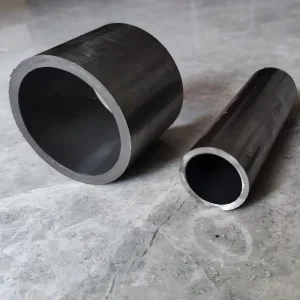
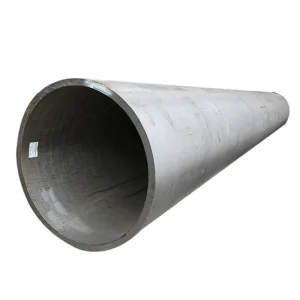
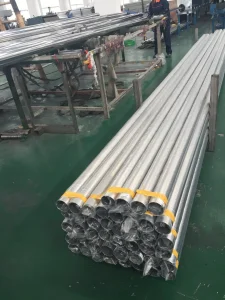
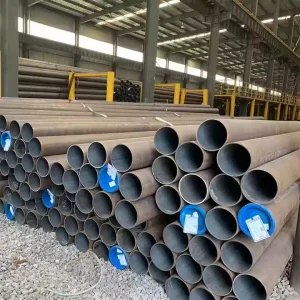
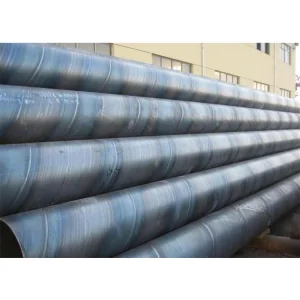
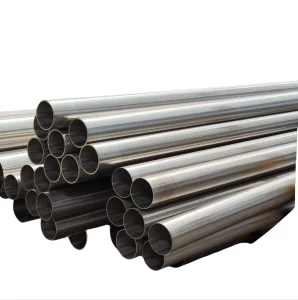
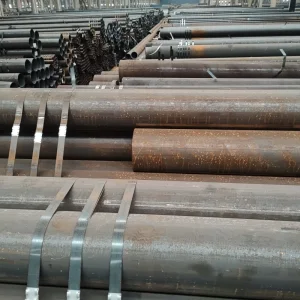
In the contemporary industrial landscape, Longitudinal Welded Pipes (including LSAW and ERW types) represent the critical veins of global infrastructure. These pipes are manufactured by bending steel plates or coils into a cylindrical shape and welding the seam longitudinally. As global energy demands shift and urban infrastructure reaches new heights, the market for high-grade longitudinal welded pipes has witnessed unprecedented growth. From the sprawling oil fields of the Middle East to the deep-water gas projects in the North Sea, these pipes are indispensable.
The international market for welded steel pipes is projected to reach billions by 2030, driven by rapid industrialization in Southeast Asia and the modernization of energy grids in North America and Europe.
Technological advancements in JCOE and UOE manufacturing processes have allowed factories to produce pipes with larger diameters and thicker walls, meeting the stringent safety requirements of high-pressure environments.
Global trade is governed by rigorous standards such as API 5L, ASTM, and DIN, ensuring that a pipe manufactured in China performs identically to one produced in Germany or the USA.
Currently, the industry is witnessing a "Flight to Quality." Procurement managers are no longer just looking for the lowest price; they are seeking proven expertise (E-E-A-T). Reliable longitudinal welded pipes must demonstrate high yield strength, excellent low-temperature toughness, and superior corrosion resistance, especially for "sour service" (H2S-rich) environments.
Longitudinal welded pipes are pivotally evolving to support the Hydrogen Economy. New metallurgical designs are being tested to prevent hydrogen embrittlement, allowing existing pipeline infrastructure to be repurposed for clean energy transport.
Modern factories are integrating AI and Machine Learning to monitor welding parameters in real-time. Automated Ultrasonic Testing (AUT) and Digital Radiography have replaced manual inspections, ensuring a zero-defect rate for every inch of the weld seam.
There is a growing demand for X80 and X100 grade steels. These high-strength alloys allow for thinner pipe walls without sacrificing pressure ratings, significantly reducing logistics costs and environmental footprints during installation.
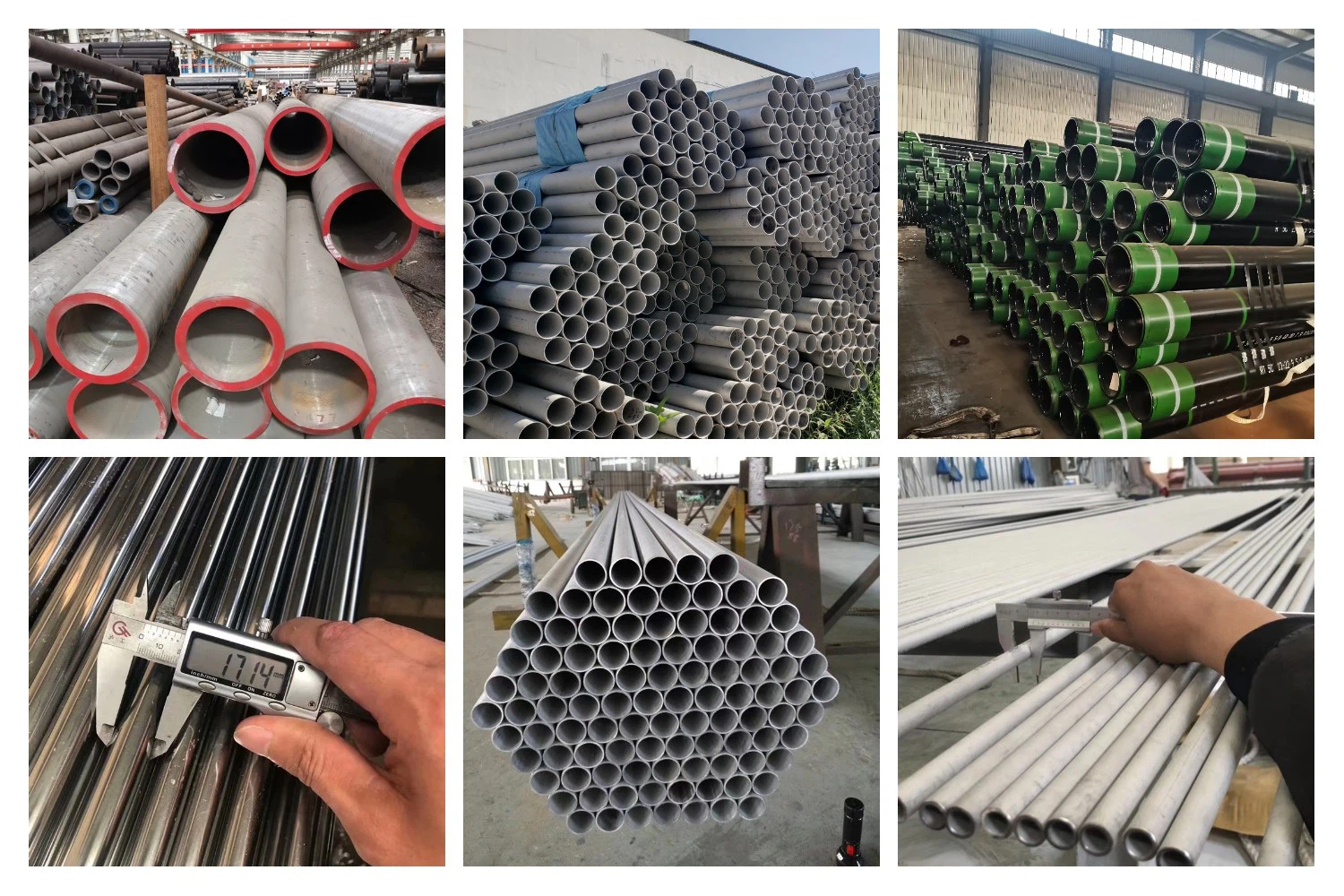
What Professional Buyers Look for in a Top-Tier Exporter
Buyers from the EU and Americas require ISO 9001, API 5L, and CE certifications. Authoritative documentation and MTC (Mill Test Certificates) are non-negotiable for project approval.
In a post-pandemic world, the ability to guarantee lead times is crucial. Exporters located near major ports, like Guangzhou, offer a distinct advantage in maritime logistics and multimodal transport.
Standard sizes often don't fit specialized engineering needs. The ability to provide customized beveling, 3LPE/FBE coating, and non-standard diameters is a key differentiator for top exporters.
On-time Delivery Rate
Countries Exported To
NDT Weld Inspection
Technical Support
Versatility Across Diverse Industrial Environments
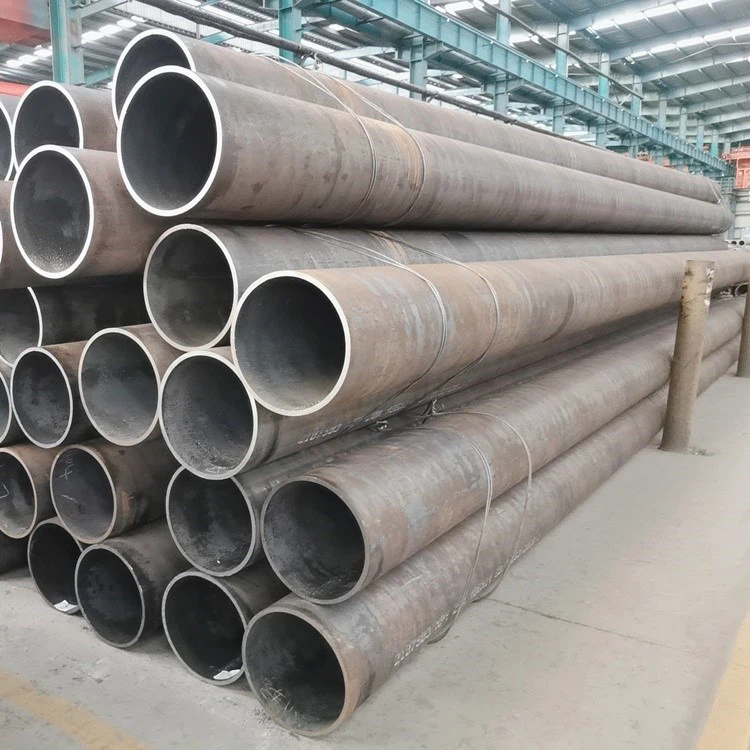
Urban Civil Engineering: In mega-cities, longitudinal welded pipes serve as the primary conduits for high-pressure water transmission and district heating systems. Their structural integrity makes them ideal for piling in soft soil foundations.
Offshore Oil & Gas: For subsea pipelines, pipes must withstand external hydrostatic pressure and internal corrosive fluids. Our LSAW pipes are engineered with precise roundness and wall thickness uniformity for deep-sea stability.
Heavy Machinery: Precision-welded tubes are widely used in hydraulic cylinders and crane booms, where mechanical strength and dimensional accuracy are paramount.
The Flowtera Competitive Edge in the Global Market
China remains the world's largest producer of steel, providing an unrivaled ecosystem for pipe manufacturing. As a leading factory in Guangzhou, Flowtera Pipe Co., Ltd. leverages several unique advantages:
Guangzhou Flowtera Pipe Co., Ltd. is a specialized manufacturer of alloy steel pipes and stainless steel tubes, providing reliable industrial piping solutions for global engineering and infrastructure projects. Based in Guangzhou, a key industrial and logistics hub in China, the company integrates advanced manufacturing technology with efficient supply chain management to ensure consistent quality and timely delivery.
Established in 2011, Flowtera began as a regional supplier of standard steel pipes for construction and mechanical applications. By 2015, the company expanded into high-performance alloy steel and stainless steel piping, investing in modern production lines for seamless and welded tubes. In 2019, Flowtera further strengthened its capabilities by introducing precision testing equipment and automated inspection systems, enabling compliance with international standards and demanding project requirements.
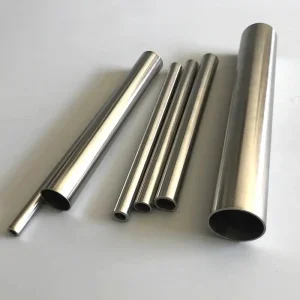
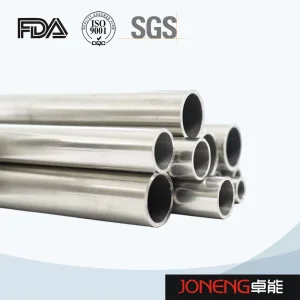
The company’s product range includes seamless alloy steel pipes, welded stainless steel tubes, duplex and super duplex pipes, as well as customized solutions for high-pressure, high-temperature, and corrosive environments. These products are widely used in industries such as oil and gas, petrochemical, power generation, shipbuilding, and construction.
Guangzhou Flowtera Pipe Co., Ltd. operates under strict quality management systems and holds certifications including ISO 9001, with products meeting ASTM, EN, and DIN standards. Committed to innovation, safety, and customer satisfaction, Flowtera continues to serve clients worldwide with durable and cost-effective piping solutions.
 Flowtera Pipe