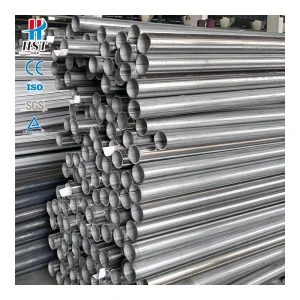
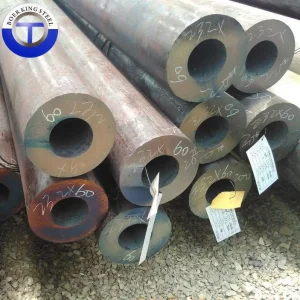
ASTM A519 4135 4140 Alloy Mechanical Seamless Steel Tube for Machinery Industry
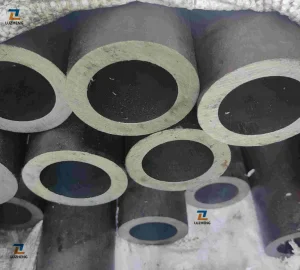
Alloy Structural Seamless Steel Tubes in 34nicrmov14-5 38xh3ma 35nicrmov12-5 38hn3mfa
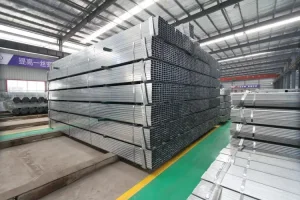
JIS G3444 Certified Alloy Mechanical Tube for General Structural and Machinery Parts
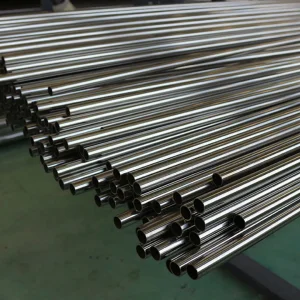
304 White Steel Pipe, Duplex Steel Stainless Steel Pipe, Available in Stock From The Manufacturer
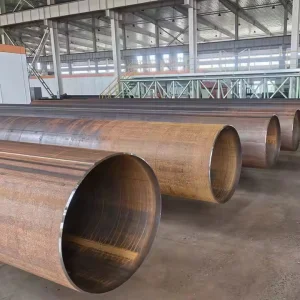
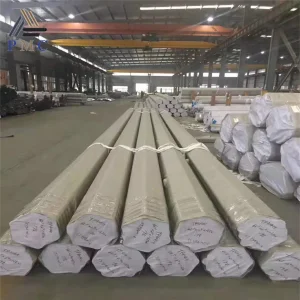
Industrial piping systems operating in high-temperature environments face severe physical and chemical challenges. These environments require materials that can withstand mechanical load, chemical oxidation, hydrogen attacks, and thermal creep without suffering catastrophic degradation. Heat resistant carbon steel and alloy pipes represent the core componentry of power grids, petrochemical units, refineries, and heavy steam systems globally.
While standard carbon steel pipes perform optimally up to 425°C (797°F), operations exceeding this threshold require specialized chromium-molybdenum alloy additions, precise thermal treatments, and grain-refining micro-alloys. Understanding the metallurgical mechanisms behind creep rupture strength, structural phase stability, and oxidation kinetics is crucial for structural design engineers and global procurement directors tasked with sourcing reliable piping.
Guangzhou Flowtera Pipe Co., Ltd. is a specialized manufacturer of alloy steel pipes and stainless steel tubes, providing reliable industrial piping solutions for global engineering and infrastructure projects. Based in Guangzhou, a key industrial and logistics hub in China, the company integrates advanced manufacturing technology with efficient supply chain management to ensure consistent quality and timely delivery.
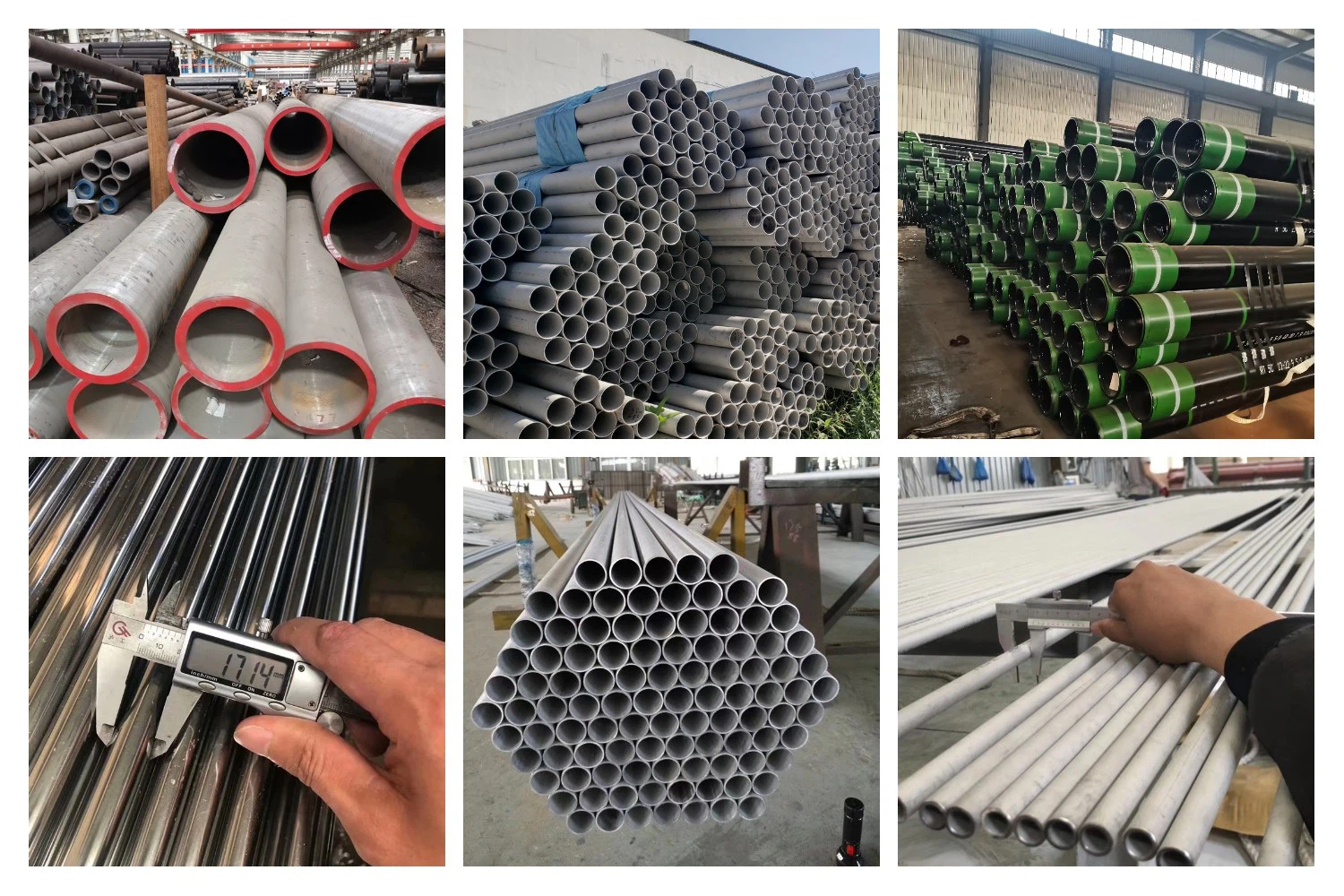
Established in 2011, Flowtera began as a regional supplier of standard steel pipes for construction and mechanical applications. By 2015, the company expanded into high-performance alloy steel and stainless steel piping, investing in modern production lines for seamless and welded tubes. In 2019, Flowtera further strengthened its capabilities by introducing precision testing equipment and automated inspection systems, enabling compliance with international standards and demanding project requirements.
The company’s product range includes seamless alloy steel pipes, welded stainless steel tubes, duplex and super duplex pipes, as well as customized solutions for high-pressure, high-temperature, and corrosive environments. These products are widely used in industries such as oil and gas, petrochemical, power generation, shipbuilding, and construction.
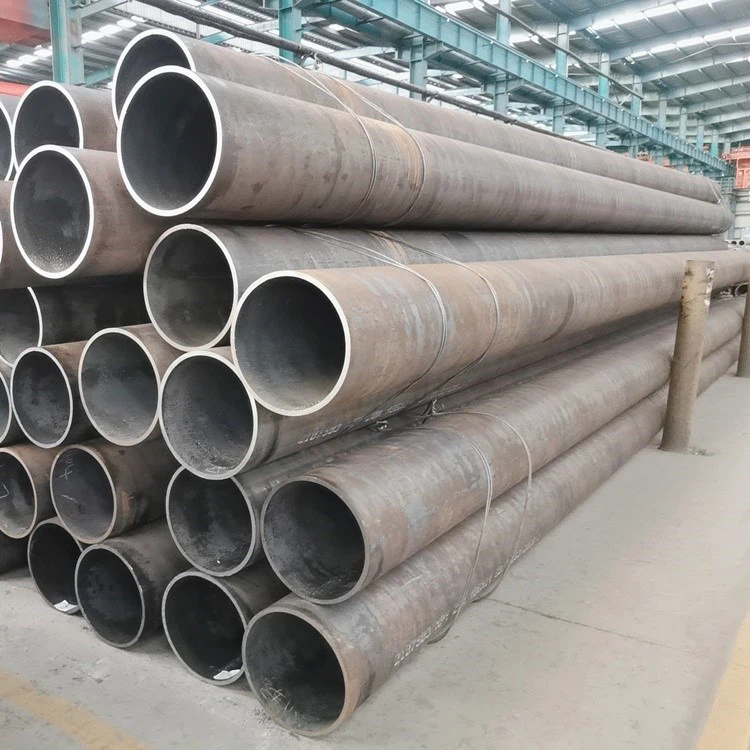
Guangzhou Flowtera Pipe Co., Ltd. operates under strict quality management systems and holds certifications including ISO 9001, with products meeting ASTM, EN, and DIN standards. Committed to innovation, safety, and customer satisfaction, Flowtera continues to serve clients worldwide with durable and cost-effective piping solutions.
Evaluating partners for critical piping requires assessing metallurgical expertise, raw material sourcing, fabrication tolerances, and quality verification protocols. Below is an overview of the top ten global leaders in heat-resistant carbon and alloy piping systems:
Highly integrated smart factory specializing in ASTM A335 (P91, P22, P11) and specialized high-temp heat exchanger tubing. Key strength: Digital-twin monitored thermal processing furnaces and direct access to major South China shipping networks.
Global leader in premium tubular solutions. Renowned for clean metallurgical melts and extensive R&D in creep-resistant materials for supercritical and ultra-supercritical power plants.
Innovator in high-grade heat resistant alloys containing cobalt and niobium. Offers premium seamless pipes with high creep rupture strength for hydrogen-fired boilers.
Global distribution network offering high-temperature carbon steel seamless pipes (ASTM A106) and alloy grades (ASTM A335). Excels in deep-water petrochemical plant integration.
Specializes in seamless hot-finished and cold-finished tubes in austenitic, nickel-base alloys, and heat resistant steels for chemical processing.
Pioneers in high-temperature furnace tubes. Their proprietary Sanicro series alloys provide oxidation resistance up to 1100°C.
Large-scale state-of-the-art mill. Delivers bulk high-temperature carbon pipes for domestic infrastructure and global oil and gas EPC projects.
Specialty manufacturer focusing on stainless steel and high-nickel alloy pipes for power plant reheating loops and refining reformers.
Provides robust heavy-wall heat-resistant carbon steel pipes for EPC contractors across the Middle East and Asia-Pacific regions.
Produces specialized boiler tubes and heavy-wall carbon steel pipes suited for low-temperature climates combined with high-temperature internal fluids.
The operating conditions of thermal plants are changing. Next-generation power stations and petrochemical cracking plants require piping capable of handling pressures up to 30 MPa and temperatures above 600°C. Under these conditions, standard carbon steel undergoes microstructural changes, including cementite spheroidization and graphitization, which reduce the steel's structural integrity.
To prevent structural failures, metallurgical research focuses on optimizing alloy compositions. For example, adding Chromium (Cr) increases corrosion and oxidation resistance by forming a protective Cr2O3 oxide film on the inner pipe surface. Molybdenum (Mo) increases lattice stability and creep resistance by restricting dislocation movements at high temperatures. Carbon (C) acts as a primary hardener, but must be balanced with Vanadium (V), Niobium (Nb), and Nitrogen (N) to form stable carbonitride precipitates.
Modern high-temperature pipes must also be compatible with hydrogen transport and combustion systems. High-temperature hydrogen attack (HTHA) can decarburize carbon steel by forming methane gas bubbles inside the grain boundaries. This leads to intergranular cracking. Sourcing carbon steel with stable carbide-forming elements (like Cr and Mo) is critical to prevent HTHA in hydrogen-blended pipelines.
Heat resistant carbon and alloy pipes are critical components in high-temperature industrial processes. Sourcing decisions directly impact safety, performance, and efficiency across key sectors:
Catalytic reforming and ethylene pyrolysis units process hydro-carbons at extreme temperatures. Under these conditions, sulfur and hydrogen compounds accelerate corrosion. Low-carbon, chrome-moly pipes prevent cracking and withstand high pressure during high-temperature hydrocarbon cracking.
Modern coal and gas-fired power plants use steam at high temperatures and pressures to increase thermal efficiency and reduce emissions. Main steam lines and reheat piping systems require ASTM A335 P91 or P92 piping to maintain structural integrity under high pressure and temperature.
Industrial waste heat recovery systems capture hot exhaust gases from chemical reactions to preheat combustion air or generate steam. The piping systems must withstand thermal cycling and acid gas condensation, which requires corrosion-resistant alloy steels.
Chinese manufacturers, such as Guangzhou Flowtera Pipe Co., Ltd., have upgraded production lines to integrate Factory 4.0 principles. These advancements help global sourcing managers secure high-quality piping components with shorter lead times.
Modern Chinese mills utilize automated temperature-controlled induction heating systems during heat treatment (Normalizing and Tempering). This control produces a uniform martensitic or bainitic structure across the entire length of the pipe, reducing variance in mechanical properties.
Guangzhou Flowtera's location in Guangzhou provides access to steel refineries, testing laboratories, and deep-water ports. This proximity reduces overland transport times and coordinates processing, inspection, customs clearance, and shipping from a single hub.
Compliance with standards (like ASTM A335) requires advanced testing. Chinese Factory 4.0 lines include inline automated Non-Destructive Testing systems:
Procuring high-temperature pipes requires verifying compliance with international design codes. The table below outlines key standards for heat resistant pipes:
| Specification | Typical Grades | Temp Limit | Primary Applications |
|---|---|---|---|
| ASTM A106 | Grade B, Grade C | Up to 425°C | High-pressure, medium-temperature carbon steel service. |
| ASTM A335 | P11, P22, P91, P92 | 550°C to 650°C | High-temperature power boiler headers and main steam lines. |
| EN 10216-2 | 16Mo3, 13CrMo4-5 | Up to 580°C | European standard seamless steel tubes for pressure purposes. |
| JIS G3458 | STPA 22, STPA 24, STPA 26 | Up to 600°C | Alloy steel pipes for high-temperature service in Japan/Asia. |
When evaluating suppliers, engineers should verify the following capabilities:
Importing piping components into markets like Europe, North America, or the Middle East requires strict compliance with local regulatory frameworks. Manufacturers must provide appropriate documentation for regional certification systems:
For European installations, piping materials must comply with the Pressure Equipment Directive (PED). Manufacturers must undergo audits by a European Notified Body (NoBo) and provide EN 10204 Type 3.1 or 3.2 material test certificates to verify traceability.
For projects in North and South America, manufacturers must meet the requirements of ASME Section II. Sourcing materials under ASME SA106 or SA335 specifications requires verifying the material has undergone all necessary mechanical, chemical, and non-destructive testing before delivery.
Customs clearance requires accurate Harmonized System (HS) code classification. Guangzhou Flowtera provides complete documentation packages, including certificates of origin, packing lists, and chemical-mechanical test certificates, to support international trade compliance.
Tp 310 310S 321 304 304L 316 316L 201 Sanitary Round Ss Seamless Stainless Steel Pipe Tube
Manufacturer Association Stainless Steel Thin Wall Pipe Sanitary Weld Tube
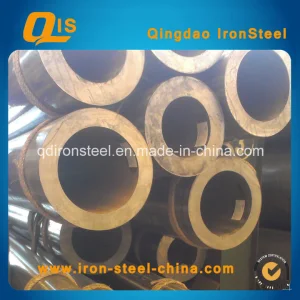
ASTM A335 P91 Hot Rolled Alloy Seamless Steel Pipe for High Pressure Boiler Pipe
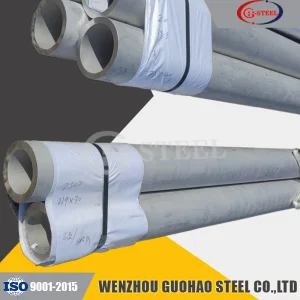
ASME SA789 UNS S32750 2507 Super Duplex Stainless Steel Seamless Tubes Pipes
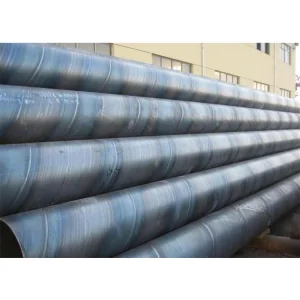
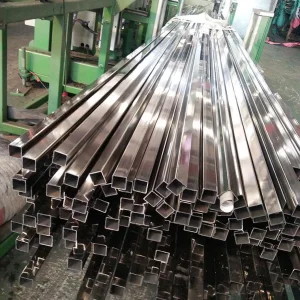
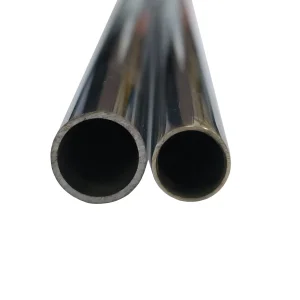
A519 Excellent Mechanical Properties Chrome Moly High Precision Alloy Steel Tube
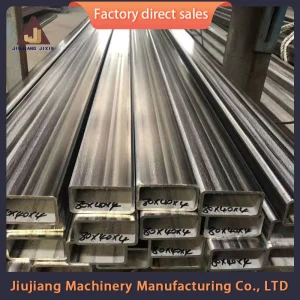
321 Stainless Steel Ss Seamless Pipe/ Tube Welded Hollow Steel Pipe Square Rectangular Metal Tube
 Flowtera Pipe