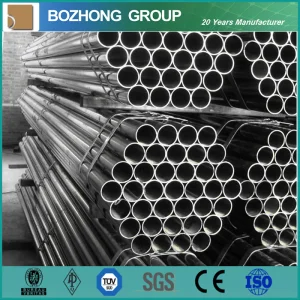
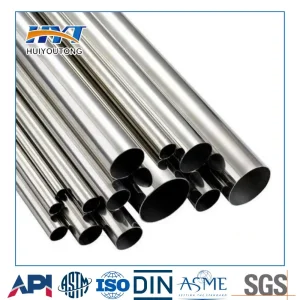
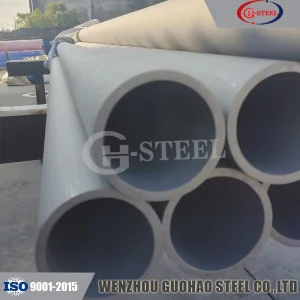
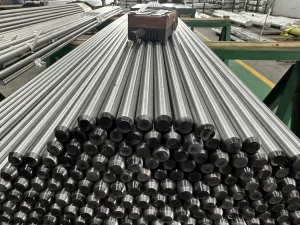
The Rajshahi Division, positioned dynamically in the northwestern region of Bangladesh, is transitioning from a primarily agrarian economy into a vital industrial corridor. Anchored by the major Padma River basin, Rajshahi's modern infrastructure initiatives call for advanced engineering components that can withstand regional challenges. Saline groundwater levels, highly shifting soil structures, and specific chemical runoff from agricultural estates require materials that far outperform conventional carbon and standard austenitic stainless steels.
As industrial centers, municipal water purification grids, and fertilizer processing networks expand in Rajshahi, the selection of materials for critical transport pipelines is no longer just a purchasing choice—it is a cornerstone of operational longevity and environmental security. This whitepaper analyzes the mechanical, metallurgical, and economic benefits of utilizing Duplex Stainless Steel (DSS) and Super Duplex Stainless Steel (SDSS) to elevate infrastructure reliability in this key region.
By bridging the gap between cost-efficiency and extreme corrosion resistance, duplex alloys provide the optimal lifecycle solution for local municipal planners, EPC contractors, and agricultural processors who wish to eliminate standard piping failures.
Consult our Metallurgy Experts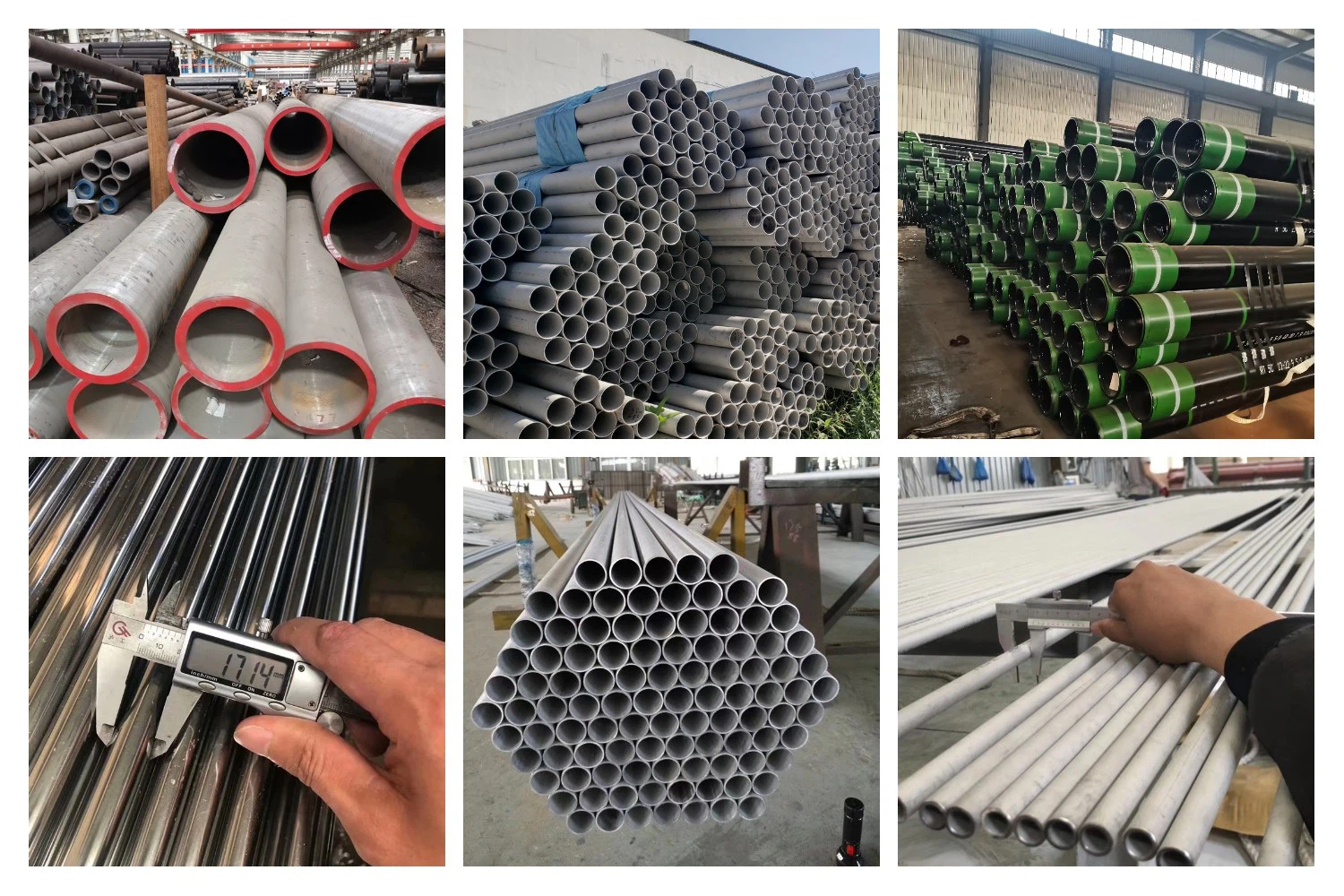
Duplex stainless steels possess a dual-phase microstructure consisting of approximately equal proportions of austenite and ferrite. This unique phase balance is achieved by combining high chromium content (ranging from 19% to 32%) and low to moderate nickel additions (3.5% to 8%), supplemented by molybdenum, nitrogen, copper, and tungsten. The result is a family of materials with mechanical and corrosion properties that capture the best attributes of both crystal structures.
| Duplex Grade | UNS Designation | PREN Value | Yield Strength (MPa) | Tensile Strength (MPa) | Primary Local Applications in Rajshahi |
|---|---|---|---|---|---|
| Duplex 2205 | UNS S31803 / S32205 | 32 – 35 | ≥ 450 | 650 – 880 | Irrigation lines, fertilizer plants, sugar processing mills |
| Super Duplex 2507 | UNS S32750 | > 40 | ≥ 550 | 750 – 1000 | Corrosive chemical processing, industrial wastewater plants |
| Alloy 254 SMO | UNS S31254 | > 42 | ≥ 300 | 650 – 850 | High-chloride media, heat exchangers, chemical reactors |
| Lean Duplex 2304 | UNS S32304 | 23 – 25 | ≥ 400 | 600 – 820 | Civil structures, urban municipal water channels |
A key differentiator is the Pitting Resistance Equivalent Number (PREN), calculated as $PREN = \%Cr + 3.3(\%Mo + 0.5\%W) + 16\%N$. With PREN levels starting above 32 for standard Duplex 2205 and climbing to over 40 for Super Duplex 2507, these pipes are designed to resist localized chloride pitting and crevice corrosion, which are common issues when processing groundwater and river runoff in northern Bangladesh.
Industrial sectors in Rajshahi must contend with unique geographic and climatic pressures. The presence of agricultural drainage carrying chemical nitrates, coupled with high groundwater salinity, accelerates corrosion in conventional piping systems.
For example, chemical fertilizer plants and sugar mills in the Rajshahi district require piping systems that are resistant to sulfurous and organic acids. Standard 304 or 316 grade stainless steel pipes can suffer from stress corrosion cracking (SCC) under high operating temperatures in these environments.
Duplex 2205 and 2507 seamless pipes offer the perfect solution. By maintaining a highly stable ferritic-austenitic microstructural balance, they are virtually immune to chloride-induced stress corrosion cracking and localized erosion. This is crucial for local municipal projects near the Padma River, where infrastructure must perform reliably for decades with minimal maintenance.
Get a Customized Project Quote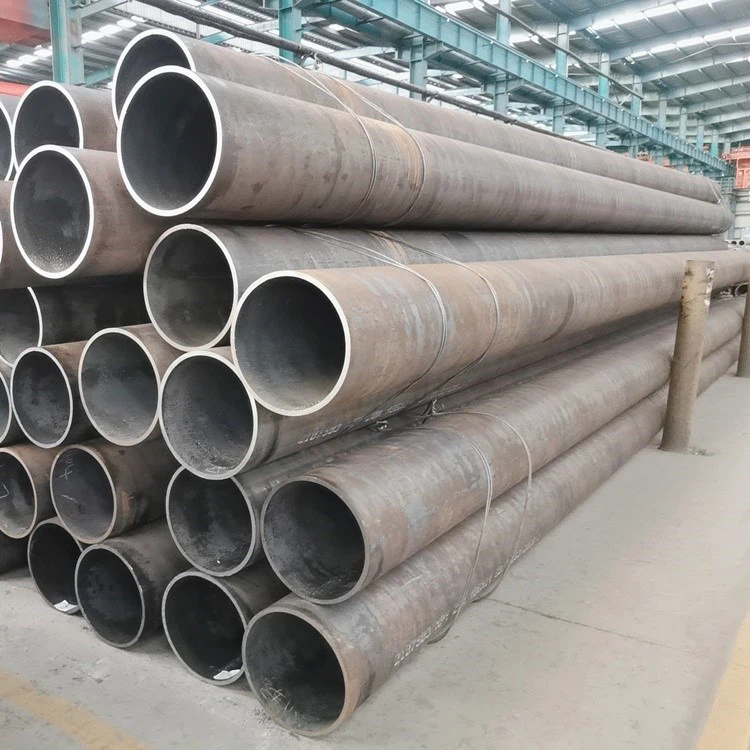
Guangzhou Flowtera Pipe Co., Ltd. is a premier manufacturer and exporter of alloy steel pipes and high-grade stainless steel tubes, delivering high-performance piping solutions to engineering and infrastructure projects worldwide.
Established in 2011, Flowtera began as a regional supplier of standard steel pipes for construction and mechanical applications. Recognizing the growing global demand for higher corrosion resistance and yield strength, the company expanded into high-performance alloy steel and stainless steel piping in 2015, investing in modern production lines for seamless and welded tubes. In 2019, Flowtera upgraded its capabilities by introducing precision testing equipment and automated inspection systems to ensure compliance with strict international project standards.
Today, our manufacturing facilities utilize advanced cold drawing, cold pilgering, and automated bright annealing processes to produce duplex, super duplex, and nickel alloy pipes. Operating under a strict ISO 9001 certified quality management system, every single length of duplex pipe is subjected to rigorous nondestructive testing (NDT), including hydrostatic testing, eddy current inspection, and ultrasonic verification. This level of quality control ensures that our pipes meet or exceed ASTM, ASME, EN, and DIN requirements when they arrive in the Rajshahi market.
We source only high-grade chemical raw materials to ensure a balanced 50:50 austenite-to-ferrite phase ratio in every batch.
Every single length of pipe undergoes mandatory hydrostatic testing, eddy current analysis, and ultrasonic inspections.
We handle secure ocean freight packaging and manage seamless custom clearances directly into Bangladesh ports.
Fertilizer production units in the Rajshahi and surrounding divisions handle highly corrosive inputs like nitric, phosphoric, and sulfuric acids. The superior resistance of Super Duplex 2507 (UNS S32750) and Alloy 254 SMO against localized pitting and stress corrosion cracking makes them the preferred choice for acid concentration piping, cooling jackets, and high-pressure process reactors.
Rajshahi's agricultural belt is famous for sugar production and mango pulp processing. The processing machinery in these factories must meet strict hygienic standards and withstand organic acids at elevated temperatures. Duplex 2205 seamless pipes are the ideal solution here. They provide high wear resistance to handle fibrous abrasive materials while remaining completely inert to food compounds.
Managing wastewater treatment and fresh water pipelines along the Padma River basin requires long-term reliability. Saline soils and corrosive elements in untreated wastewater can quickly compromise low-grade carbon steel pipes. By installing Lean Duplex 2304 or Standard Duplex 2205 piping, municipal authorities can design systems with service lives exceeding 50 years, significantly reducing repair costs and operational downtime.
Local power generation facilities utilize cooling systems that rely on natural water sources. The risk of biofouling and chloride corrosion in heat exchangers is high. The high heat conductivity and mechanical strength of duplex stainless steel pipes allow for thinner pipe walls, improving heat transfer efficiency while resisting microbial-induced corrosion (MIC).
As industrial engineering standards adapt to meet global environmental regulations, duplex stainless steel pipes are playing a vital role. Modern construction practices focus on lowering carbon footprints by reducing structural weight without compromising on safety.
Thanks to their high mechanical strength, duplex steel pipes allow engineers to specify thinner walls for piping systems. This translates to an average 30% reduction in weight compared to conventional 300-series stainless steel pipes. The benefits of this reduction are significant:
Furthermore, duplex stainless steel is fully recyclable, aligning with sustainable development practices. Flowtera is at the forefront of this shift, actively helping infrastructure developers in Bangladesh transition to resource-efficient and durable materials.
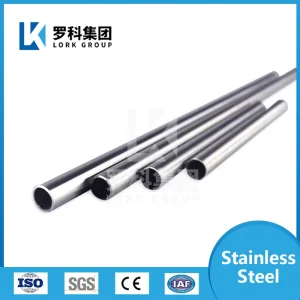
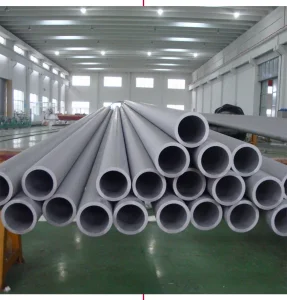
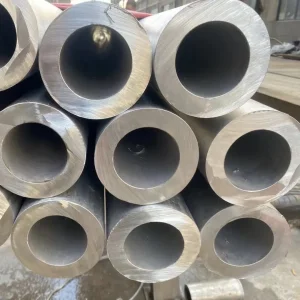
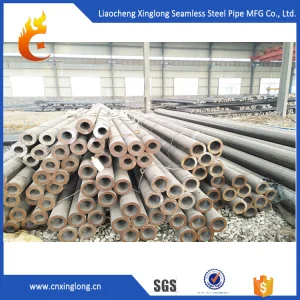
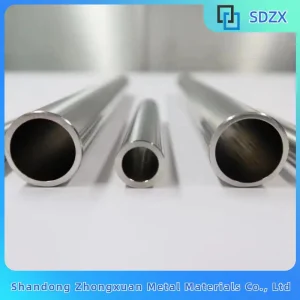
Other available models & materials for the Rajshahi Division:
Duplex stainless steels provide twice the mechanical yield strength of standard austenitic grades like 316L, while offering significantly higher resistance to stress corrosion cracking (SCC), pitting, and crevice corrosion. This allows engineers to design systems with thinner pipe walls, reducing total project weight and lowering shipping costs to Rajshahi.
Operating under an ISO 9001 certified quality system, Flowtera performs mandatory nondestructive testing (NDT), including hydrostatic testing, eddy current inspection, and ultrasonic verification. All shipments are packed in robust, seawater-resistant export packaging to ensure products arrive at Chittagong or Mongla ports—and onward to Rajshahi—in pristine condition.
For highly corrosive acid lines, Super Duplex 2507 (UNS S32750) and high-alloy 254 SMO are recommended. For standard mixing systems, storage vessels, and utility water lines, Duplex 2205 (UNS S31803 / S32205) offers an excellent balance of durability and cost-effectiveness.
Yes. All Flowtera duplex and super duplex steel pipes are manufactured to meet standards like ASTM A790 (seamless and welded pipes), ASTM A789 (tubing), ASME B36.19, and equivalent EN/DIN standards. We provide Mill Test Certificates (MTC) according to EN 10204 3.1 or 3.2 with every delivery.
Depending on order size and stock availability, manufacturing takes 15 to 30 days. Shipping from Guangzhou to Chittagong or Mongla ports takes approximately 10 to 15 days, followed by standard customs clearance and domestic transit to Rajshahi. We work closely with local logistics partners to ensure prompt delivery.
Connect with our metallurgical engineers to discuss chemical grades, size requirements, and competitive pricing for your projects in Rajshahi.
Send Inquiry Now Flowtera Pipe