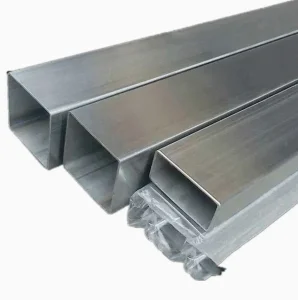
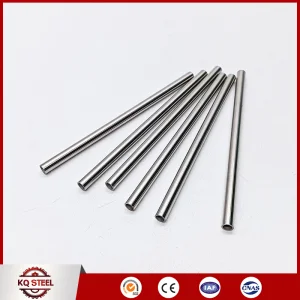
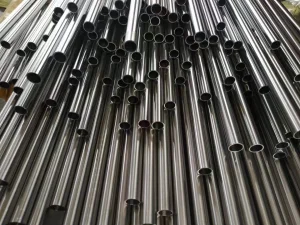
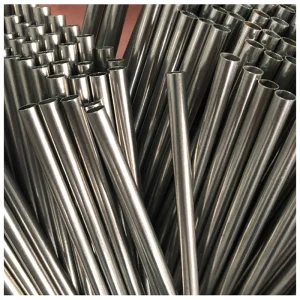
Featuring specialized micro-capillary and rectangular profiles engineered to withstand mechanical stress and extreme thermal variations common in the Baltic climate zone.
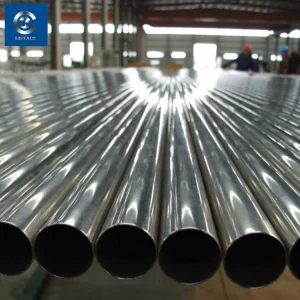
Latvia, positioned as a key logistics hub in the Baltic region, is experiencing a major industrial transition. Backed by initiatives from the Investment and Development Agency of Latvia (LIAA), local manufacturers are shifting from legacy heavy metals toward high-precision, low-weight structural materials. Among these, thin wall stainless steel tubes have emerged as a critical component in local machinery manufacturing, wood-processing systems, green heating grids, and pharmaceutical packaging lines in industrial centers like Riga, Liepāja, and Ventspils.
Modern engineering demands higher energy efficiency and localized durability. Traditional piping is heavy, difficult to install, and prone to internal scale accumulation. Thin-wall tubing (typically with a thickness under 2.0 mm down to 0.1 mm) resolves these issues. By leveraging premium grades like AISI 304, 316L, 321, and 310S, Latvian engineers can minimize material costs while maintaining superior structural integrity, resisting the saline marine air of the Baltic Sea, and meeting strict EU hygiene guidelines.
Choosing the correct alloy and dimensions determines the lifespan of industrial pipe networks. Standardized grades serve distinct environmental stresses:
| Steel Grade | Common Standard | Wall Thickness (Range) | Primary Physical Properties | Best Applied Scenarios in Latvia |
|---|---|---|---|---|
| AISI 304 / EN 1.4301 | ASTM A269 / EN 10217-7 | 0.5mm – 2.0mm | Excellent ductility, standard corrosion resistance, cost-efficient. | General HVAC, interior architecture in Riga, food preparation. |
| AISI 316L / EN 1.4404 | ASTM A269 / EN 10216-5 | 0.2mm – 2.0mm | Superior chloride pitting resistance due to Molybdenum additions. | Baltic marine engineering, harbor structures, pharmaceutical lines. |
| AISI 321 / EN 1.4541 | ASTM A269 | 0.3mm – 1.5mm | Titanium stabilized, resistant to intergranular corrosion. | Aviation exhaust systems, heavy power generation plants. |
| AISI 310S / EN 1.4845 | ASTM A312 | 1.0mm – 3.0mm | High nickel/chromium; oxidation resistance up to 1100°C. | Biomass furnaces, industrial ovens, district heating boilers. |
| AISI 409L / EN 1.4512 | DIN Standard | 0.8mm – 2.0mm | Good weldability, heat-resistant ferritic stainless steel. | Automotive exhaust manifolds, custom silencer fabrication. |
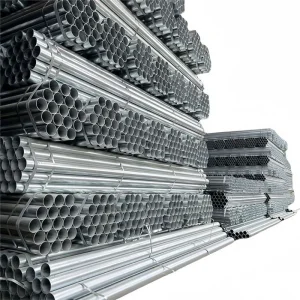
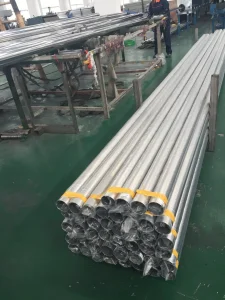
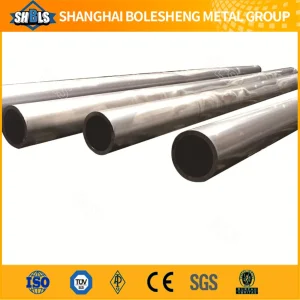
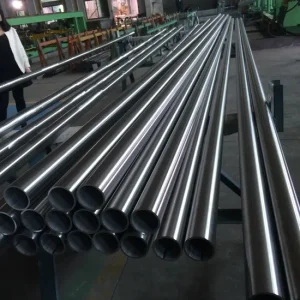
Thin-walled tubes are generally offered in two core manufacturing types: seamless (drawn over a mandrel for extreme pressure and reliability) and welded (highly cost-effective for decoration, exhaust, and lower-pressure lines). Below, we outline our specialized range, which is fully compatible with Baltic regulatory frameworks.
Precision-machined structural alternatives optimized for low weight and stable flow dynamics.
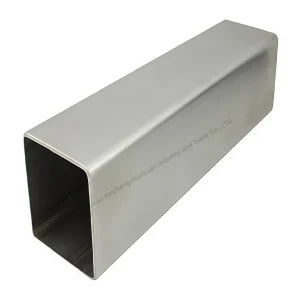
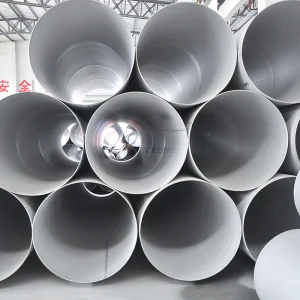
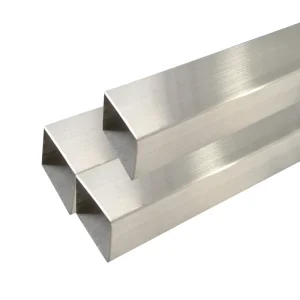
Globally, the push for decarbonization and manufacturing efficiency has placed thin-wall hollow sections at the forefront of mechanical engineering. Lightweight automotive framing, highly conductive solar thermal coils, and hydrogen transport lines require wall profiles that maximize volumetric flow while minimizing raw material weight. Because thinner walls cool faster and heat more uniformly, they are widely used in modern heat exchangers and evaporators.
By utilizing advanced cold-drawing and cold-rolling technologies, Flowtera produces thin-wall tubing with precise concentricity and smooth inner surfaces (Ra < 0.4 μm for sanitary applications). This prevents bacterial buildup and friction losses, which is why these tubes are widely used in chemical processing plants in Germany, dairy networks in Scandinavia, and advanced engineering plants throughout Northern Europe.
Latvian commercial activities have unique physical and regulatory requirements. Our thin-wall stainless tubes are designed to meet these specific regional needs:
Due to the high salinity of the Baltic Sea, offshore rigs, harbor cargo systems, and marine machinery require components that resist pitting corrosion. Our AISI 316L capillary tubes are widely used in marine sensor lines and hydraulic controls, ensuring long-term reliability under challenging environmental conditions.
Dairy, beverage, and wood product processing are cornerstone sectors of Latvia's economy. Using EN 1.4301 (304) sanitary thin-wall pipes prevents microbial contamination, simplifies clean-in-place (CIP) protocols, and ensures full compliance with European Food Contact Regulation EC 1935/2004.
As Latvia invests heavily in green municipal heating systems and geothermal projects, thin-walled tubes with high heat-transfer coefficients are increasingly in demand. Our custom micro-tubing ensures optimal thermal transfer and long service lives in domestic heat pumps.
Guangzhou Flowtera Pipe Co., Ltd. is a specialized manufacturer of alloy steel pipes and stainless steel tubes, providing reliable industrial piping solutions for global engineering and infrastructure projects. Based in Guangzhou, a key industrial and logistics hub in China, the company integrates advanced manufacturing technology with efficient supply chain management to ensure consistent quality and timely delivery.
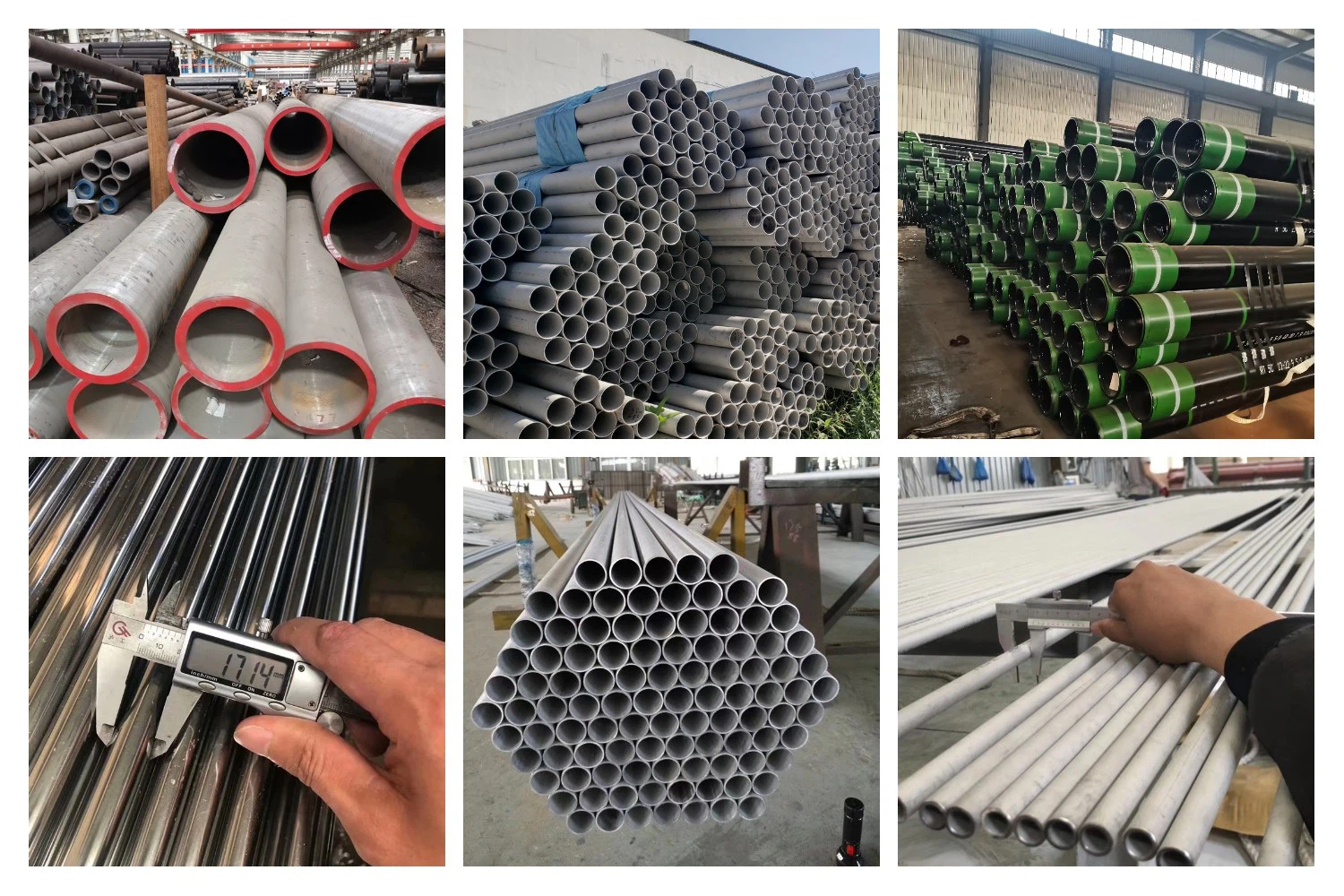
Established in 2011, Flowtera began as a regional supplier of standard steel pipes for construction and mechanical applications. By 2015, the company expanded into high-performance alloy steel and stainless steel piping, investing in modern production lines for seamless and welded tubes. In 2019, Flowtera further strengthened its capabilities by introducing precision testing equipment and automated inspection systems, enabling compliance with international standards and demanding project requirements.
The company’s product range includes seamless alloy steel pipes, welded stainless steel tubes, duplex and super duplex pipes, as well as customized solutions for high-pressure, high-temperature, and corrosive environments. These products are widely used in industries such as oil and gas, petrochemical, power generation, shipbuilding, and construction.
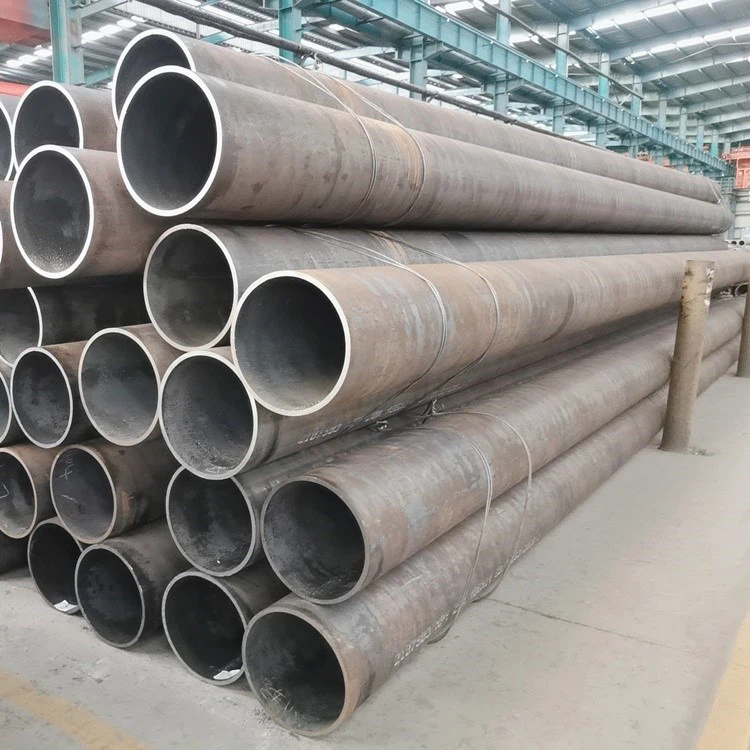
Guangzhou Flowtera Pipe Co., Ltd. operates under strict quality management systems and holds certifications including ISO 9001, with products meeting ASTM, EN, and DIN standards. Committed to innovation, safety, and customer satisfaction, Flowtera continues to serve clients worldwide with durable and cost-effective piping solutions.
As a global exporter, Flowtera manages delivery timelines for Baltic projects. We route our cargo through major shipping lanes from the Port of Guangzhou directly to the Freeport of Riga and the Port of Ventspils, ensuring continuous material supplies.
To operate reliably in pressure systems and safety-critical environments within the EU, thin-wall tubes must meet stringent compliance standards. Our manufacturing processes incorporate the following testing and quality protocols:
Every batch of thin-wall capillary and high-precision tubes undergoes 100% Eddy Current Testing (ECT) according to ASTM E426, or Hydrostatic testing. This process detects microscopic cracks, weld defects, or structural inconsistencies without damaging the tubing surface.
Using advanced cold-finishing technologies, we achieve wall thickness tolerances within ±0.05 mm and outer diameter tolerances of ±0.02 mm, providing the precision fit required for high-tech automated assembly systems.
All materials are supplied with detailed documentation detailing yield strength, tensile strength, elongation percentages, and hardness parameters (typically HRB ≤ 90 for optimal bendability and fabrication processing).
The industrial landscape is moving rapidly toward sustainable materials. Flowtera is actively investing in technical innovations to align with Europe's carbon-neutral goals:
Explore our complete range of certified stainless steel capillary, structural, and specialty tubes, serving clients across the Baltic region.
What wall thicknesses do you define as "thin wall" for your stainless steel range?
We generally define thin wall as tubing with wall thicknesses ranging from 0.1 mm to 2.0 mm. For specialty capillary tubes (OD under 6.0 mm), the wall thickness can be as fine as 0.08 mm to meet micro-fluidic requirements.
Are your tubes compliant with European Pressure Equipment Directive (PED) and DIN standards?
Yes. All of our structural and fluid transport tubes conform to EN 10217-7 (welded) and EN 10216-5 (seamless) standards. If required for pressurized installations, we provide testing and documentation conforming to PED 2014/68/EU guidelines.
How does Flowtera prevent stress corrosion cracking (SCC) in cold marine climates like the Gulf of Riga?
For marine and coastal environments, we recommend and supply AISI 316L (EN 1.4404) containing 2-3% Molybdenum. We also ensure correct solution annealing (typically heated to 1040°C–1100°C followed by rapid quenching) to eliminate residual manufacturing stresses and prevent pitting corrosion.
What custom post-manufacturing processing can you perform on thin-wall tubes?
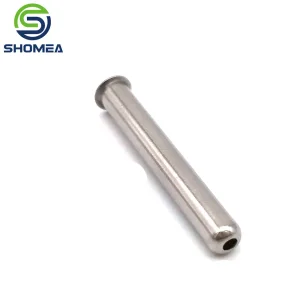
Our fabrication workshop can customize products with flare ends, closed ends, slotted walls, precision bending, and multi-stage reduction. We also offer mechanical polishing up to 800 grit (Mirror finish) and electro-polishing for medical or sanitary installations.
What is the typical transit lead time to the port of Riga, Latvia?
Ocean freight shipments from the Port of Guangzhou to the Freeport of Riga typically take between 35 and 45 days. For time-critical engineering projects, we can arrange air freight or express rail delivery across Eurasia, which reduces shipping time to 15–20 days.
Get in touch with our technical sales engineers for detailed product specifications, custom dimensions, or commercial pricing tailored for the Baltic market.
 Flowtera Pipe