Explore our core engineering configurations designed to withstand mechanical loads, severe humidity, and chemical exposure in state-of-the-art agricultural designs.
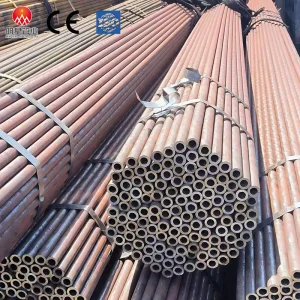
Guangzhou Flowtera Pipe Co., Ltd. is a specialized manufacturer of alloy steel pipes and stainless steel tubes, providing reliable industrial piping solutions for global engineering and infrastructure projects. Based in Guangzhou, a key industrial and logistics hub in China, the company integrates advanced manufacturing technology with efficient supply chain management to ensure consistent quality and timely delivery.
Established in 2011, Flowtera began as a regional supplier of standard steel pipes for construction and mechanical applications. By 2015, the company expanded into high-performance alloy steel and stainless steel piping, investing in modern production lines for seamless and welded tubes. In 2019, Flowtera further strengthened its capabilities by introducing precision testing equipment and automated inspection systems, enabling compliance with international standards and demanding project requirements.
Established
Quality Assured
UT Tested
Analyzing structural yield dynamics, mechanical resilience under climatic shifts, and strategic sourcing strategies for agricultural EPCs.
Modern commercial glasshouses require high structural yield strengths to support overhead lighting systems, heavy glass cladding, thermal screens, and extreme localized environmental loads such as severe wind gusts and heavy snow.
Controlled Environmental Agriculture (CEA) generates high levels of humidity, chemical mist from crop-protection sprays, and volatile organic compounds from organic fertilizers. Heavy-duty galvanization and high-grade alloys are essential to prevent microstructural rust.
Global multi-span greenhouse installations face complex logistical schedules. Working with a supplier located in a major transport hub like Guangzhou simplifies shipping logistics and minimizes lead times.
As greenhouse structures advance from basic polytunnels to automated multi-span glasshouses and vertical farms, the mechanical criteria for load-bearing components have intensified. Standard carbon steel pipes without customized metallurgical treatment are susceptible to premature failure due to microstructural oxidation. The agricultural industry requires specialized hollow profiles capable of supporting high static loads while maintaining minimal profile footprints to optimize solar radiation transmittance.
By implementing strict automated testing procedures alongside ASTM and EN standards, Guangzhou Flowtera Pipe Co., Ltd. ensures that every batch of pipes delivered to global projects possesses precise wall-thickness tolerances, high yield strength limits, and excellent welding properties, optimizing greenhouse frame setups worldwide.
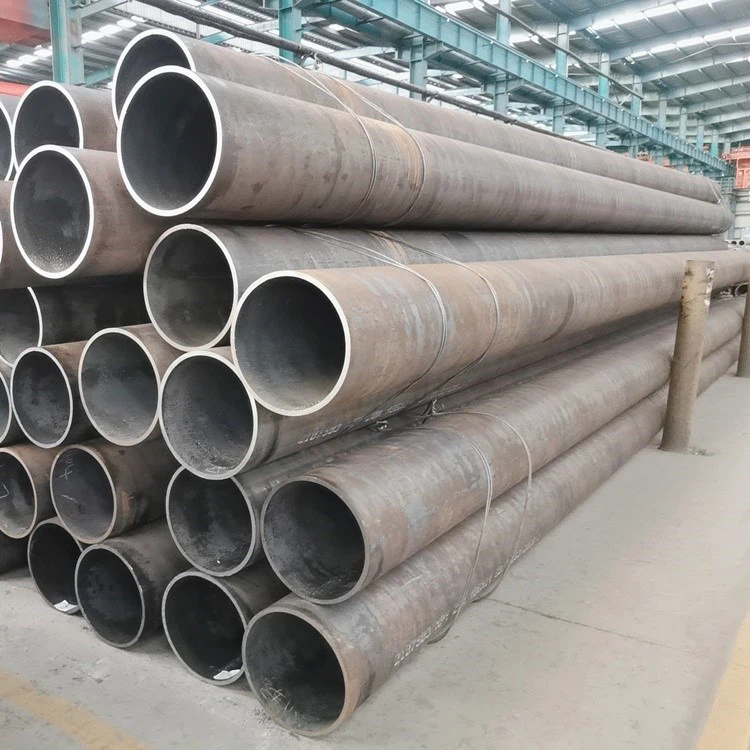
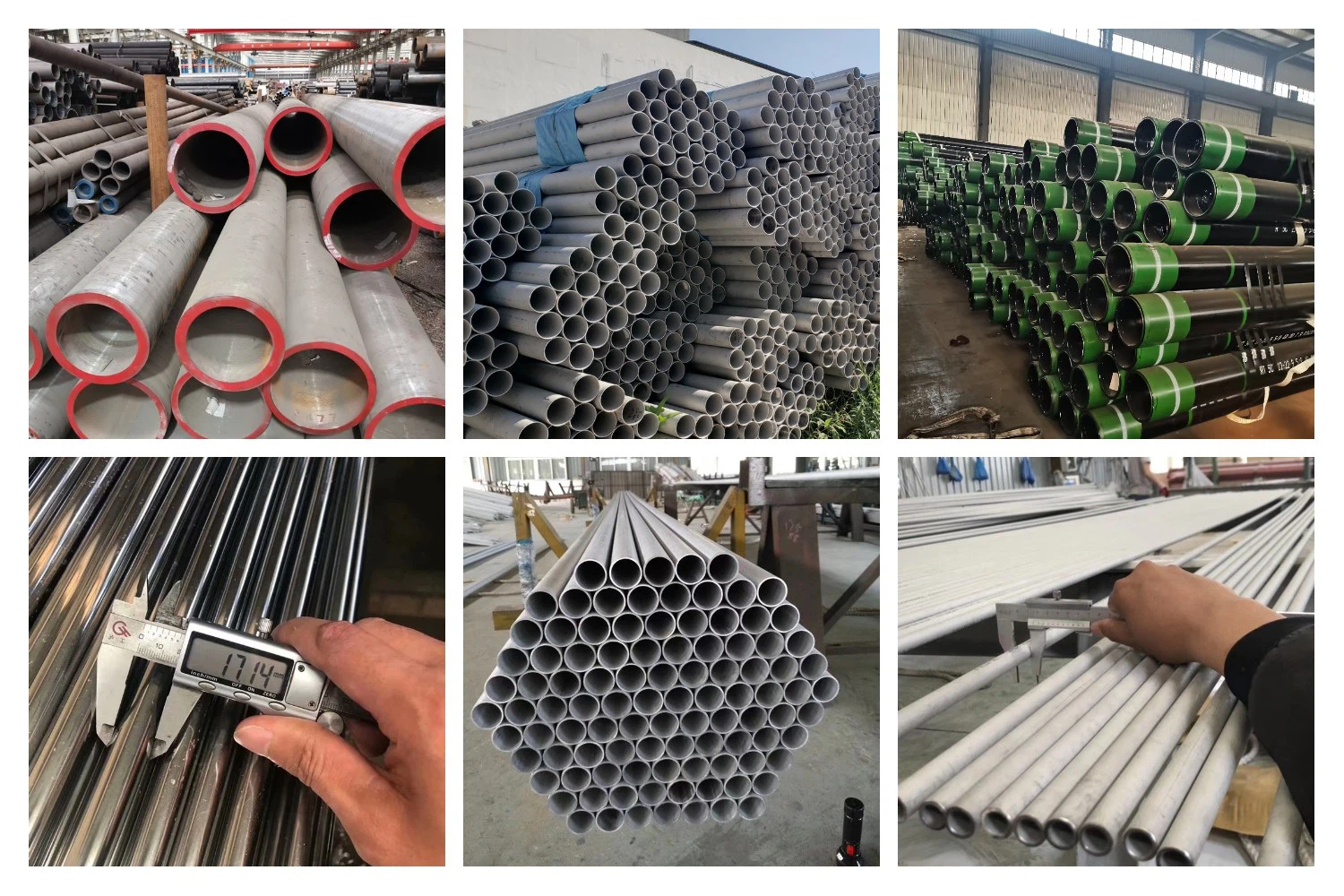
The manufacturing processes for our seamless and welded greenhouse structures focus on optimizing mechanical properties to meet high performance specifications. For high-humidity microclimates, we offer structural materials designed for durability:
Our manufacturing scope encompasses precise dimensional testing, hydrostatic verification, and ultrasonic testing to identify any structural inconsistencies. This level of quality management prevents mechanical failure in complex greenhouse framing applications.
The structural integrity of a commercial multi-span greenhouse depends on structural stress calculations. Steel frame members must resist dynamic physical forces without permanent mechanical deformation.
| Steel Grade / Spec | Yield Strength (Min) | Tensile Strength (Min) | Key Agricultural Use Case |
|---|---|---|---|
| ASTM A312 TP304 / TP304L | 205 MPa | 515 MPa | Corrosive misting pipes, high-humidity internal truss supports, guttering tracks. |
| S355 / ST52 (EN 10219) | 355 MPa | 470 - 630 MPa | Primary vertical support columns, heavy foundation piles, portal frames. |
| Super Duplex 2205 / 2507 | 450 / 550 MPa | 620 / 750 MPa | Geothermal heating fluid transport, coastal greenhouse frameworks, high salinity sites. |
| API 5L X42 / X52 / X60 | 290 - 415 MPa | 415 - 520 MPa | Large-scale structural frame systems & high-pressure heating fluid mains. |
Choosing the correct steel composition impacts structural longevity. Standard pre-galvanized pipes are suitable for moderate climates, but high-humidity environments, coastal setups, or greenhouse operations utilizing misting require structural elements with higher corrosion resistance. Using ASTM A312 or ASTM A789 stainless and duplex steel pipes reduces maintenance costs and protects structural integrity over the lifecycle of the system.
Technical answers to common engineering, procurement, and structural design questions.
Standard carbon steel oxidizes rapidly when exposed to humidity, temperature fluctuations, and agricultural chemicals. Hot-dip galvanizing provides a protective zinc barrier, while stainless steel (such as 304 or 316) contains chromium and nickel, creating a passive oxide layer that prevents corrosion from moisture and chemical misting.
Our facility utilizes automated rolling mills, computer-controlled heat treatment, and inline testing systems. We perform ultrasonic (UT) testing, hydrostatic pressure tests, and mechanical tensile evaluations to verify compliance with international standards, including ASTM, EN, and DIN.
For main columns, S355 and ST52 structural hollow sections are recommended. Their high yield strength (minimum 355 MPa) enables the design of lightweight vertical members with high load capacity, lowering total material requirements and optimizing interior space and light transmission.
Located near major shipping ports in Guangzhou, we can streamline logistics for global projects. This proximity supports consolidated ocean freight shipping, direct custom clearance, and optimized dispatch schedules, helping to meet tight construction timelines.
Standard carbon steel frames may show surface oxidation within 5 to 7 years in humid climates. In contrast, structures utilizing hot-dip galvanized coating or stainless steel grades (such as ASTM A312 TP304/TP316) can last over 25 years with minimal maintenance, providing long-term structural stability.
Yes. We provide custom manufacturing solutions for specific engineering requirements. By adjusting cold-forming and seamless drawing parameters, we supply structural pipes with precise wall thicknesses and customized tolerances to meet your project specifications.
The agriculture sector is moving toward automation and environmental sustainability. Future greenhouse designs will likely integrate high-yield cultivation structures with automated irrigation, lighting, and HVAC systems. These systems increase the static load on roof frames, requiring materials with higher tensile-to-weight ratios.
Flowtera is researching high-strength micro-alloyed steel grades that maintain toughness at lower thicknesses, which helps reduce the total structural mass of greenhouse setups. Our production lines focus on lowering resource consumption while maintaining mechanical performance. This alignment supports the sustainability goals of modern agricultural projects.
Explore our industrial range of seamless, welded, duplex, and carbon steel piping configurations engineered for high-pressure systems and demanding environments.
 Flowtera Pipe