The global market for Rectangular Alloy Steel Pipes is currently undergoing a massive transformation. Traditionally, circular pipes dominated industrial sectors, but the shift towards Hollow Structural Sections (HSS)—specifically rectangular and square profiles—has surged due to their superior structural efficiency and aesthetic appeal. In 2024, the demand for these specialized components is driven by high-tech infrastructure, green energy frameworks, and advanced mechanical engineering.
From the towering skyscrapers of Dubai to the offshore wind farms in the North Sea, rectangular alloy steel provides the necessary strength-to-weight ratio that conventional materials lack. This is not just a commodity; it is a critical engineering component. Modern alloys, incorporating chromium, molybdenum, and nickel, allow these pipes to withstand extreme pressures and corrosive environments, making them indispensable in the Oil & Gas, Aerospace, and Automotive sectors.
Factories are now integrating AI and data analytics to create "Smart Alloys" that offer better fatigue resistance and self-healing properties in high-temperature environments like boilers and refineries.
The industry is pivoting toward Hydrogen-based DRI (Direct Reduced Iron) and Electric Arc Furnaces (EAF) to reduce carbon footprints, meeting the "Net Zero" demands of global purchasers.
Rectangular pipes are the backbone of modular architecture. Their flat surfaces facilitate easier bolting, welding, and joining compared to round tubes, accelerating construction timelines globally.
Procurement managers in 2024 are looking for more than just a low price. The E-E-A-T principle (Experience, Expertise, Authoritativeness, and Trustworthiness) has become the gold standard for selecting a "Top 10" factory. When sourcing Rectangular Alloy Steel Pipes, the following criteria are non-negotiable:
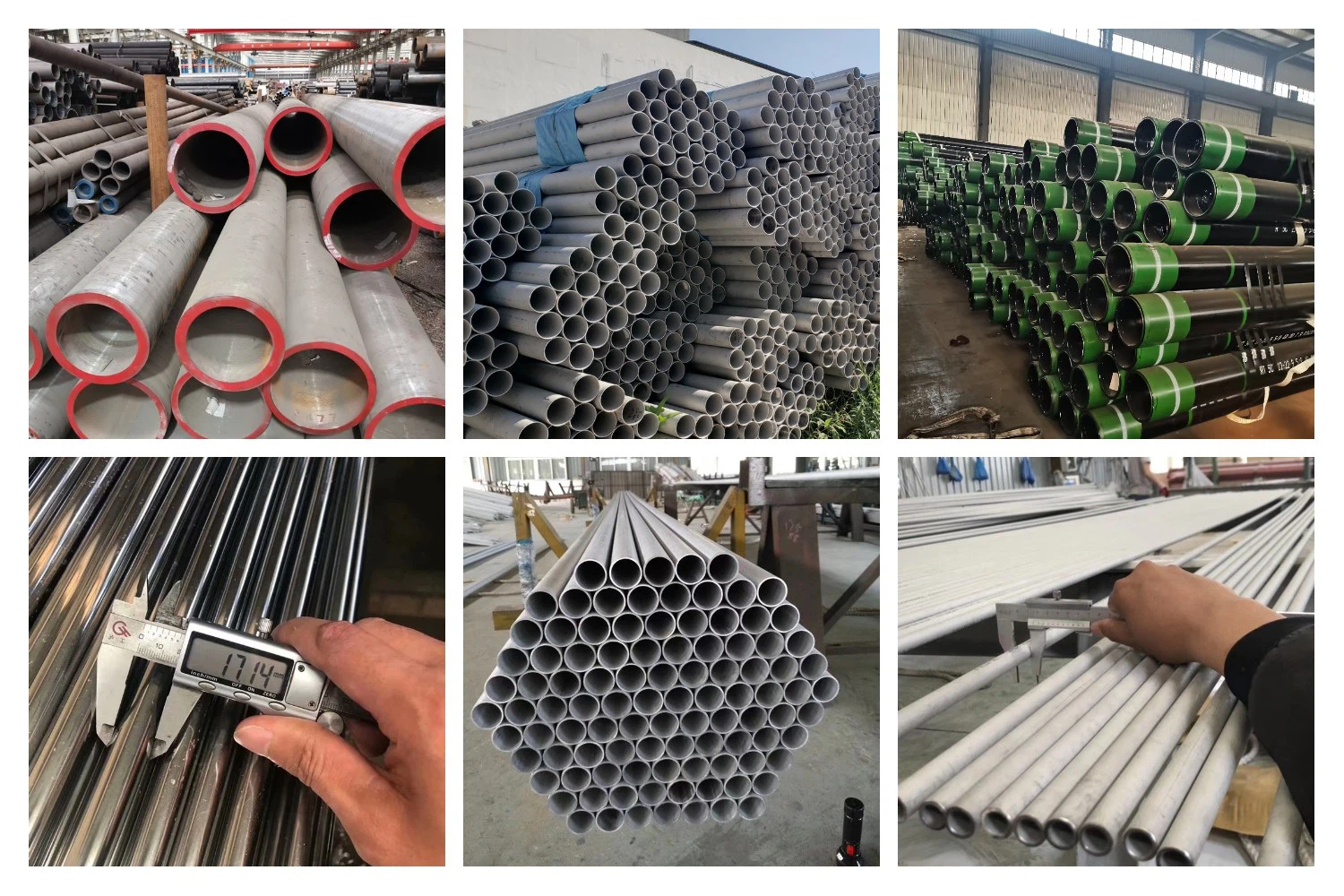
Low-Temperature Resilience: Applications requiring ASTM A333 Grade 6 pipes for LNG transport and arctic infrastructure where notch toughness is critical.
Corrosion Resistance: High demand for Duplex 2205 and Stainless 316L pipes in desalination plants and offshore oil rigs to combat high salinity.
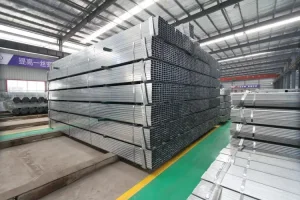
Architectural Integrity: Rectangular hollow sections are used in airports, stadiums, and high-speed rail stations for structural aesthetics and load-bearing capacity.
Guangzhou Flowtera Pipe Co., Ltd. stands as a beacon of Chinese manufacturing excellence. Established in 2011, we have evolved from a regional supplier to a global powerhouse in the alloy steel sector. Our position as a "Top 10" factory is not just about volume; it's about the Expertise we bring to complex piping challenges.
Based in the strategic logistics hub of Guangzhou, we leverage advanced production lines for both seamless and welded tubes. Our integration of precision testing equipment—including ultrasonic and hydrostatic testing—ensures that every ASTM A335 P11/P22 or Duplex 2205 pipe leaving our facility meets the most stringent international standards (ASTM, EN, DIN).
What sets us apart? It is our commitment to Innovation. In 2019, we introduced automated inspection systems that reduce human error to near zero. Our products aren't just pipes; they are the reliable arteries of your infrastructure projects.
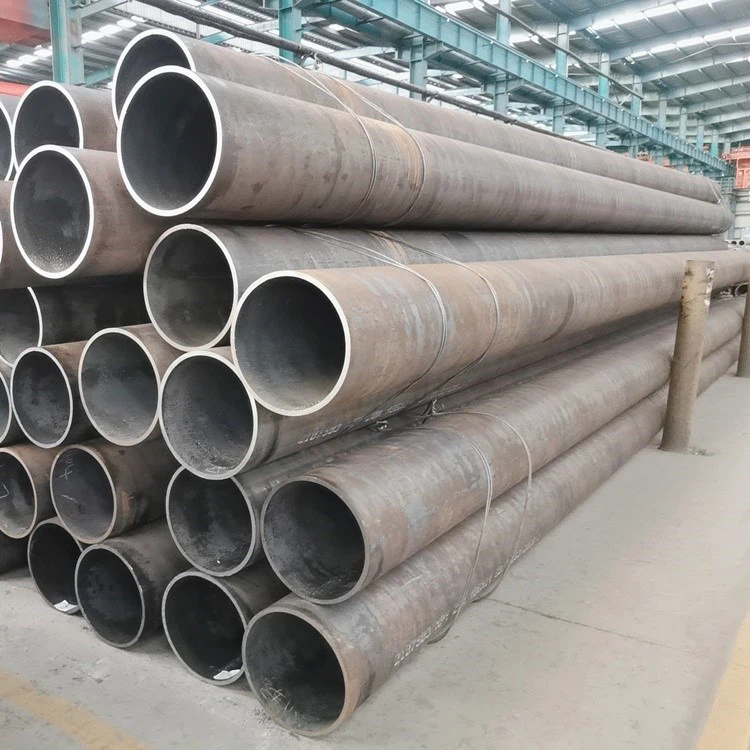
The global shift toward sourcing from Chinese factories like Flowtera is driven by three key factors:
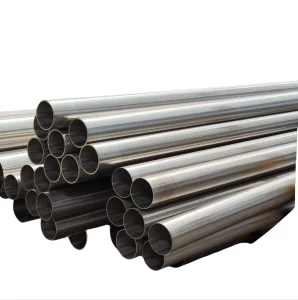
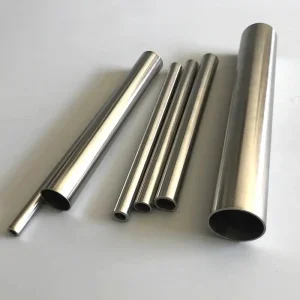
Duplex Steel 2205 Stainless Steel Tube Seamless Pipes Oil and Gas Casing and Tubing Pipes
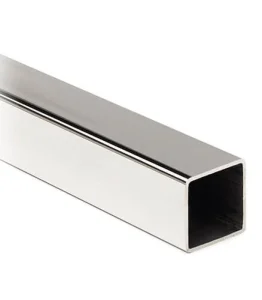
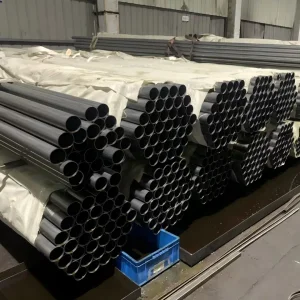
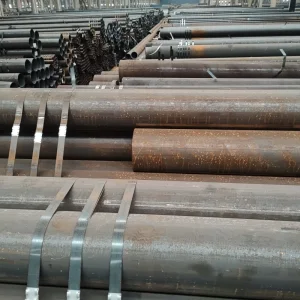
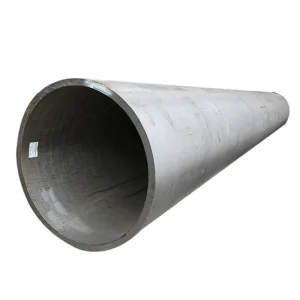
High-Temperature Alloy Pipes 3030 3039 3044 Heat-Resistant Suitable for Complex Working Conditions
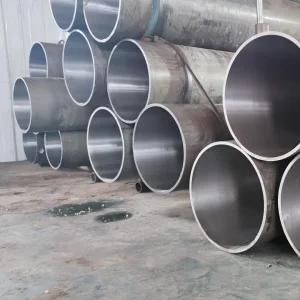
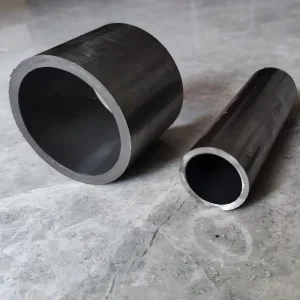
ASTM A335 P11/P22 Alloy Steel Pipe - Heat Resistant, for Refinery & Petrochemical Piping Systems
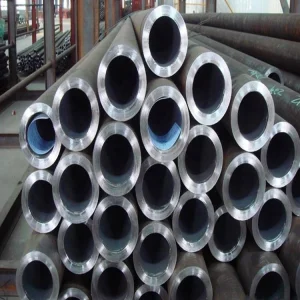
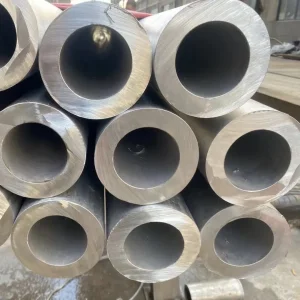
ASME SA789 UNS S32750 2507 Super Duplex Stainless Steel Seamless Tubes Pipes
 Flowtera Pipe