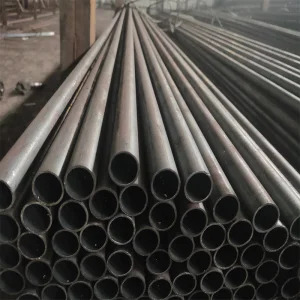
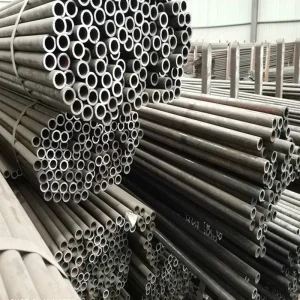
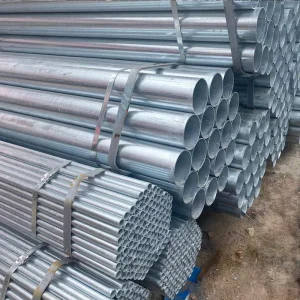
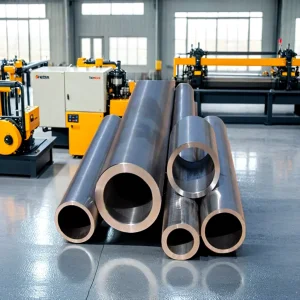
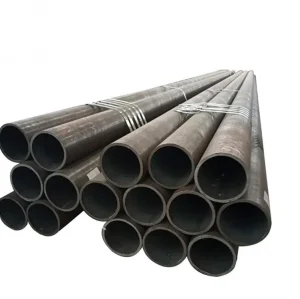
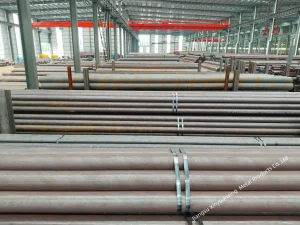
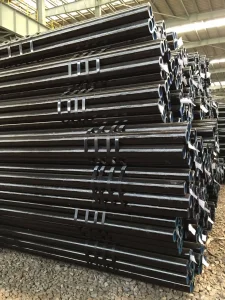
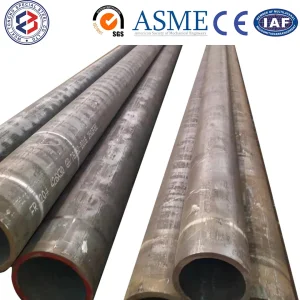
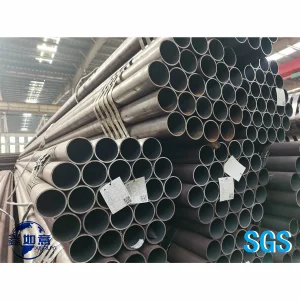
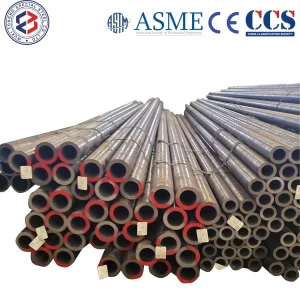
The global demand for Low Temperature Alloy Pipes has witnessed exponential growth in recent years, driven primarily by the rapid expansion of the LNG (Liquefied Natural Gas) infrastructure, Arctic oil and gas exploration, and the emerging hydrogen economy. As industrial processes move toward more extreme environments, the reliability of piping systems under sub-zero temperatures is no longer just a technical requirement—it is a critical safety imperative.
In the modern industrial era, materials must withstand temperatures as low as -196°C (for nitrogen applications) or -45°C to -101°C (for common cryogenic services). Manufacturers across the globe are focusing on nickel-alloyed steels and specific carbon-manganese formulations that maintain ductility and impact toughness when traditional steels would become brittle and prone to catastrophic failure.
Expected CAGR in Global Cryogenic Pipe Market (2023-2030)
Maximum Capability for Ultra-Low Temp Alloy Pipe Services
Major LNG Carriers Currently Using Advanced Alloy Piping Systems
The industry is shifting toward Higher Precision Manufacturing and smarter quality control. We are seeing three major trends shaping the future of low-temperature alloy pipe manufacturing:
As green hydrogen gains traction, the need for pipes that can handle liquid hydrogen storage is pushing the boundaries of traditional ASTM A333 standards toward even more specialized nickel-chromium alloys.
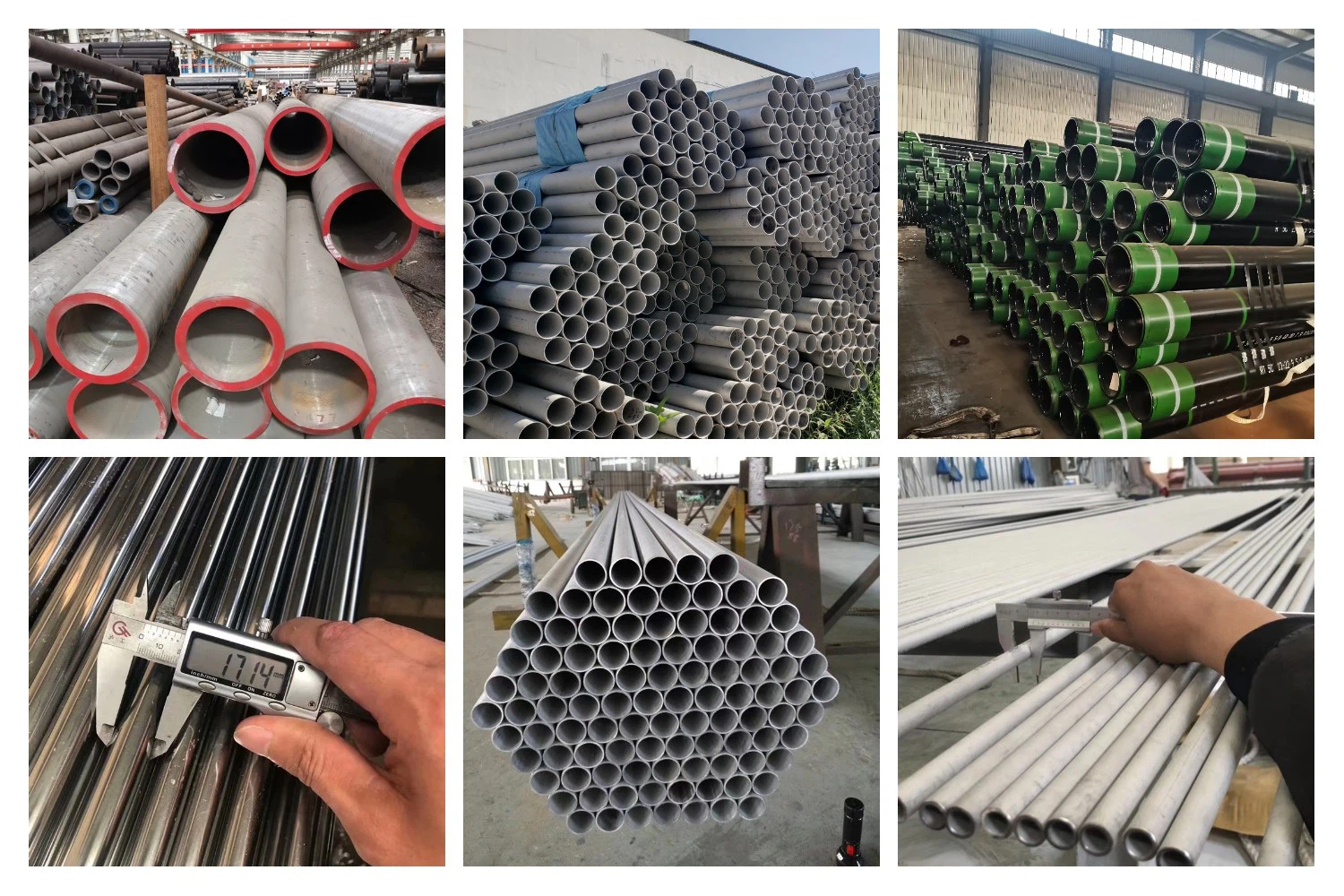
Procurement officers in the Middle East, Northern Europe, and North America have distinct requirements when sourcing low-temperature alloy pipes. While European projects often mandate EN 10216-4 standards, American and Asian markets largely rely on ASTM A333 and ASME SA333. The key is finding a manufacturer who can bridge these standards with comprehensive certification (MTRs).
Handling liquefied gas at approximately -162°C requires seamless pipes with high nickel content to prevent thermal contraction cracks.
Used in rocket propulsion systems and ground support equipment where cryogenic fuels are stored and transported.
Ethylene fractionation occurs at very low temperatures, requiring pipes like ASTM A333 Grade 6 for safe operation.
Construction and mining in sub-arctic regions require structural alloy pipes that do not fail under seasonal permafrost shifts.
Guangzhou Flowtera Pipe Co., Ltd. is a specialized manufacturer of alloy steel pipes and stainless steel tubes, providing reliable industrial piping solutions for global engineering and infrastructure projects. Based in Guangzhou, a key industrial and logistics hub in China, the company integrates advanced manufacturing technology with efficient supply chain management to ensure consistent quality and timely delivery.
Established in 2011, Flowtera began as a regional supplier of standard steel pipes for construction and mechanical applications. By 2015, the company expanded into high-performance alloy steel and stainless steel piping, investing in modern production lines for seamless and welded tubes. In 2019, Flowtera further strengthened its capabilities by introducing precision testing equipment and automated inspection systems, enabling compliance with international standards and demanding project requirements.
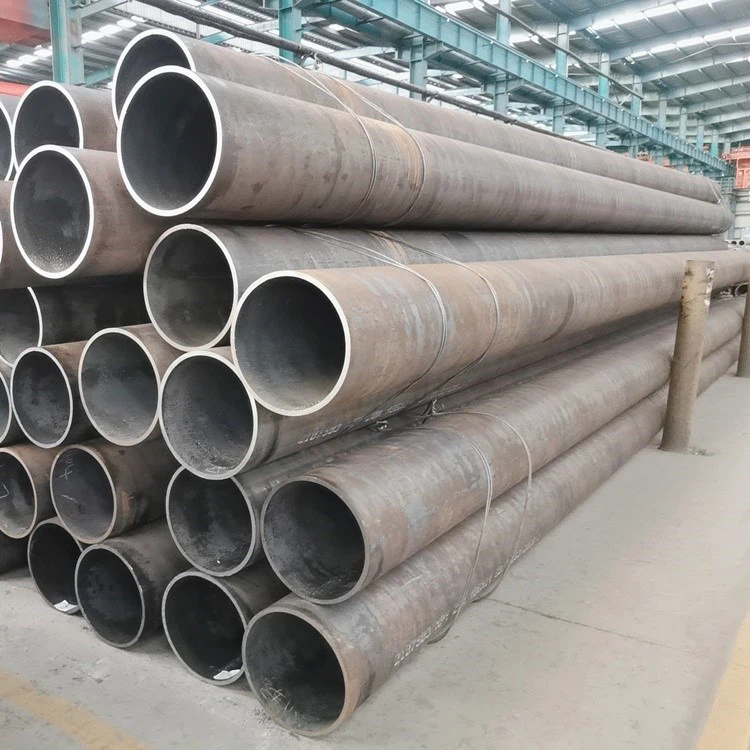
The company’s product range includes seamless alloy steel pipes, welded stainless steel tubes, duplex and super duplex pipes, as well as customized solutions for high-pressure, high-temperature, and corrosive environments. These products are widely used in industries such as oil and gas, petrochemical, power generation, shipbuilding, and construction.
Guangzhou Flowtera Pipe Co., Ltd. operates under strict quality management systems and holds certifications including ISO 9001, with products meeting ASTM, EN, and DIN standards. Committed to innovation, safety, and customer satisfaction, Flowtera continues to serve clients worldwide with durable and cost-effective piping solutions.
Sourcing from a Chinese factory like Flowtera offers unique strategic advantages that are difficult to replicate elsewhere:
Proximity to world-class steel mills allows for rapid procurement of raw alloy materials, reducing lead times by up to 30%.
Heavy investment in state-level laboratories for low-temp impact testing ensuring every batch meets global safety codes.
Located in Guangzhou, we leverage the world's largest port networks for efficient, low-cost global shipping.
By combining economies of scale with precision engineering, we provide high-performance alloy pipes that meet the rigorous standards of the European and American markets at a highly competitive price point.
 Flowtera Pipe