Strategic Whitepaper on Metallurgical Infrastructure in East Africa
Industrial Landscape: Tanzania is currently undergoing a massive industrial transformation. With the discovery of significant natural gas reserves in the Ruvuma Basin and the development of the EACOP (East African Crude Oil Pipeline), the demand for heat-resistant alloy pipes has surged. Infrastructure projects in Mtwara and Dar es Salaam require piping that can withstand extreme thermal cycling and corrosive environments unique to the East African coastal climate.
Tanzania’s push for energy self-sufficiency via gas-to-power plants (like Kinyerezi) requires ASTM A335 P91 and P22 grade pipes for high-pressure steam conveyance.
Gold and Graphite mining operations in the Lake Victoria region utilize heat-resistant nickel alloys for smelting and refining processes where temperatures exceed 800°C.
Tanga and Mtwara cement hubs rely on high-chromium radiant pipes for kiln operations, demanding oxidation resistance at elevated temperatures.
Why alloy composition matters for the Tanzanian industrial environment
Not all alloy pipes are created equal. In the context of Tanzania's humid coastal conditions and high-load industrial sectors, Information Gain regarding material selection is critical for engineering longevity. Heat-resistant alloys are primarily characterized by their ability to maintain mechanical properties at temperatures above 500°C. Key alloying elements include:
| Element | Function in High-Temp Alloys | Benefit for TZ Projects |
|---|---|---|
| Chromium (Cr) | Forms a protective oxide scale (Cr2O3) on the pipe surface. | Prevents oxidation and corrosion in salt-heavy coastal air. |
| Molybdenum (Mo) | Enhances creep strength and pitting resistance. | Ensures structural integrity of boilers during continuous 24/7 operation. |
| Nickel (Ni) | Stabilizes austenite and increases toughness. | Critical for petrochemical cracking units where extreme heat meets high pressure. |
| Vanadium (V) | Improves secondary hardening and thermal stability. | Extends the lifespan of piping in high-stress steam generators. |
For procurement officers in Tanzania, understanding the Creep Rupture Strength is paramount. As pipes operate under high pressure and heat, they undergo slow, permanent deformation. Our alloys are tested to ensure they meet the 100,000-hour rupture strength required by international safety standards.
Guangzhou Flowtera Pipe Co., Ltd. is a specialized manufacturer of alloy steel pipes and stainless steel tubes, providing reliable industrial piping solutions for global engineering and infrastructure projects. Based in Guangzhou, a key industrial and logistics hub in China, the company integrates advanced manufacturing technology with efficient supply chain management to ensure consistent quality and timely delivery.
Established in 2011, Flowtera began as a regional supplier. By 2019, we introduced precision testing equipment and automated inspection systems, enabling compliance with ASTM, EN, and DIN standards. For the Tanzania market, we offer direct factory pricing, expedited shipping to Dar es Salaam Port, and full certification support (ISO 9001).
Download Factory Catalog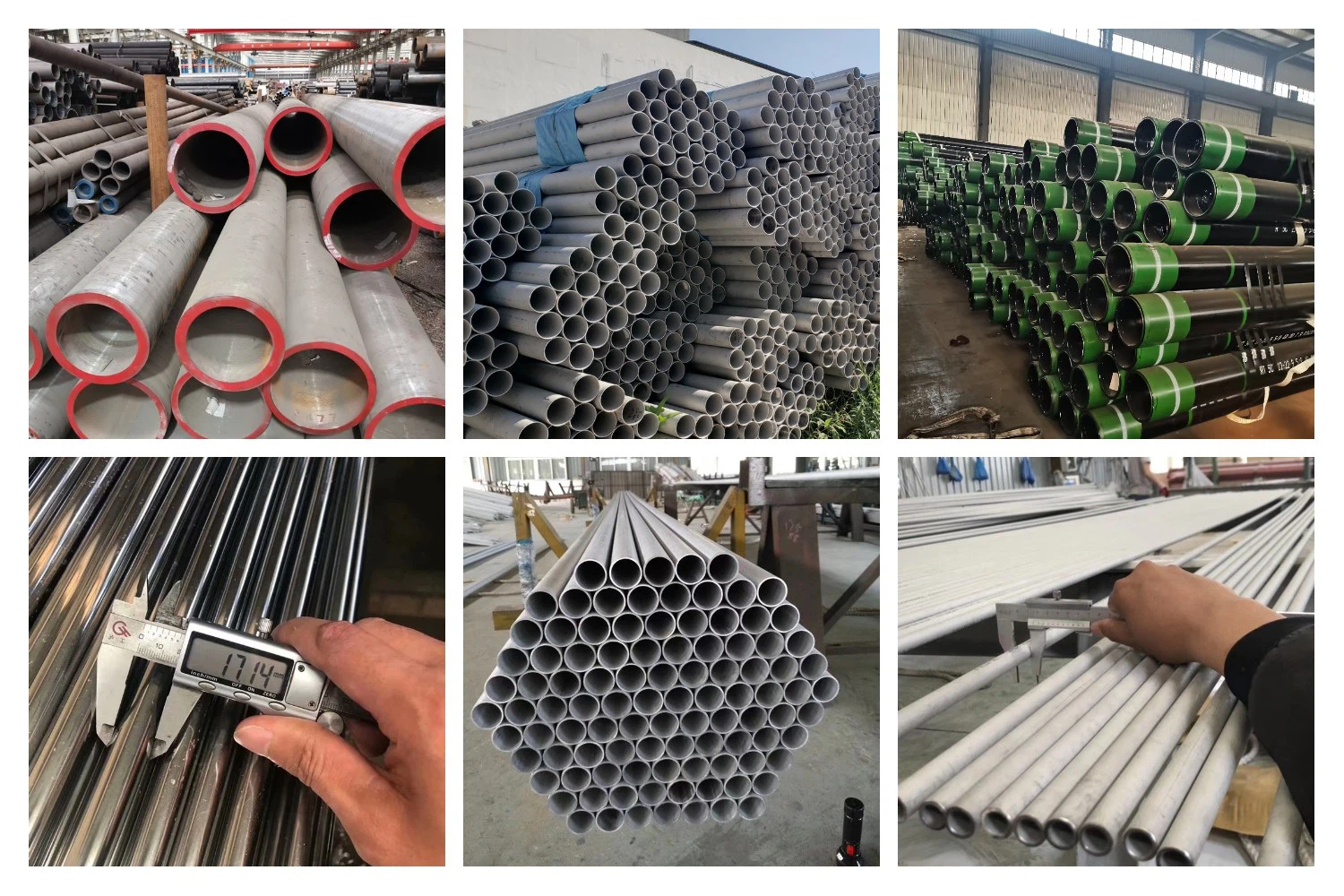
Adapting to Carbon Neutrality and Efficiency Requirements
The global shift towards Hydrogen Economy and higher-efficiency thermal cycles is redefining pipe specifications. We are now seeing a trend where traditional P22 alloys are being replaced by P91 and P92 to allow for "Ultra-Supercritical" boiler operations. This reduces fuel consumption and carbon emissions—a vital factor for Tanzania as it seeks to balance industrial growth with environmental commitments under the Paris Agreement.
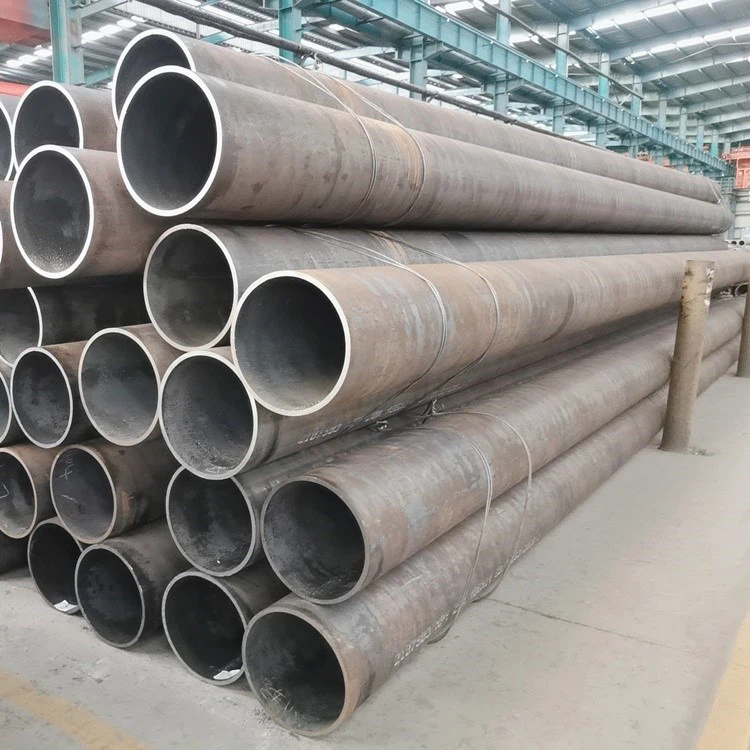
Our solutions for the Tanzania Market include customized thickness profiles and corrosion-resistant coatings that address the specific salinity issues of the Indian Ocean coastline, ensuring that infrastructure built today lasts for the next 50 years.
Available for Bulk Export and Project-Based Orders
Everything you need to know about importing alloy pipes to Tanzania
What are the most common alloy grades used in Tanzania's energy sector?
The most sought-after grades are ASTM A335 P11, P22, and P91. P11 and P22 are standard for thermal power plants, while P91 is increasingly used in modern high-efficiency gas turbines due to its superior strength at very high temperatures.
How do you ensure the pipes survive the sea transit to Dar es Salaam?
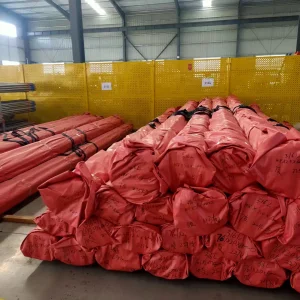
All our pipes are treated with anti-corrosive oil and wrapped in seaworthy packaging. For high-value alloy pipes, we use end caps and moisture-proof plastic wrapping to ensure the metallurgical surface remains pristine during the 20-30 day voyage from China.
Do you provide MTC (Material Test Certificates) with the shipment?
Yes, every batch is accompanied by an MTC according to EN 10204 3.1 or 3.2. This includes chemical analysis, mechanical property testing, and non-destructive testing (Ultrasonic/Eddy Current) results.
Can you customize pipe dimensions for specific Tanzanian mining equipment?
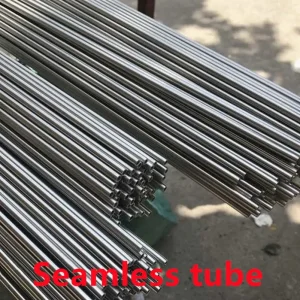
Absolutely. We specialize in both seamless and welded custom sizes. Whether you need a specific wall thickness (Schedule 160 or XXS) or non-standard diameters for centrifugal casting projects, our engineers can accommodate your specifications.
Ready to upgrade your industrial piping infrastructure?
Request a Custom Quote Flowtera Pipe